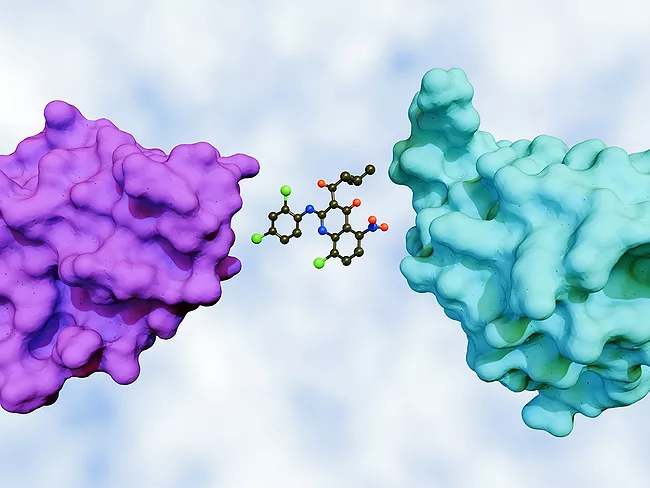
Eli Lilly and Co.’s oral selective estrogen receptor degrader (SERD) imlunestrant has been approved by the U.S. FDA for treating late-stage breast cancer patients. Branded Inluriyo, the second-line treatment is for treating adults with estrogen receptor-positive, human epidermal growth factor receptor-2-negative estrogen receptor 1-mutant advanced or metastatic breast cancer.
Crinetics Pharmaceuticals Inc.’s green light under priority review from the U.S. FDA for Palsonify (paltusotine) in first-line acromegaly sets up a not-uncommon David vs. Goliath-type scenario in the indication caused by excessive growth hormone made by the pituitary gland.
After a long regulatory road that included a complete response letter in May, Stealth Biotherapeutics Inc. finally got its Barth syndrome drug across the finish line, with the U.S. FDA granting accelerated approval to Forzinity (elamipretide HCl) to improve muscle strength in those with the ultra-rare pediatric mitochondrial cardioskeletal disease.
Genfleet Therapeutics (Shanghai) Inc. debuted on the Hong Kong Stock Exchange on its second attempt at an IPO, raising HK$1.819 billion (US$234 million). Genfleet’s shares (HKEX:2595) rose to HK$44.00 at the opening bell on Sept. 19 and closed at HK$42.10, about 106% higher than the listing price.
With positive phase III results in hand, Roivant Sciences Ltd. and Priovant Therapeutics Inc. anticipate an NDA filing in the first half of 2026, seeking approval for brepocitinib, a dual inhibitor of tyrosine kinase 2 and JAK1, in dermatomyositis, a rare autoimmune disease with limited treatment options.
Three-year-old Areteia Therapeutics Inc. hit the primary endpoint in its Exhale-4 phase III study of dexpramipexole for eosinophilic asthma, bringing the oral small molecule one step closer to the U.S. market, where it could challenge currently approved injectable anti-IL-5/5R biologics.
In its second deal with Novartis AG of the past 11 months, Monte Rosa Therapeutics Inc. is getting $120 million up front to collaborate on developing molecular glue degraders to treat immune-mediated diseases. The agreement could swell to $5.7 billion for Monte Rosa.
When it won U.S. FDA accelerated approval more than eight years ago, Intercept Pharmaceuticals Inc.’s Ocaliva (obeticholic acid) was viewed as a breakthrough, becoming the first new treatment in 20 years for rare, progressive liver disease primary biliary cholangitis (PBC) and, for several years, the only second-line treatment for PBC patients failing to respond to ursodeoxycholic acid. More recently, however, Ocaliva has faced regulatory and safety stumbles, with Intercept now voluntarily pulling the farnesoid X receptor activator from the U.S. market.
Maze Therapeutics Inc. CEO Jason Coloma said the latest phase I results with MZE-782, a prospect for phenylketonuria (PKU) as well as chronic kidney disease (CKD), bolster the firm’s “conviction to move into phase II” next year in both indications.
Positive results for Revolution Medicines Inc.’s phase I studies of its lead candidate, the RAS-blocker daraxonrasib for treating pancreatic ductal adenocarcinoma, prompted the company to say it’s time for a phase III study in the aggressive cancer. Revolution said it plans to begin a global, randomized and registrational trial in first-line metastatic disease sometime in the fourth quarter of 2025.
 RSS
RSS