Biopharma’s nonprofit deal and grant activity continues to settle into a post-pandemic rhythm, with both showing a sustained decline from the elevated levels seen during and even after the COVID-19 era.
Biopharma’s nonprofit deal and grant activity continues to settle into a post-pandemic rhythm, with both showing a sustained decline from the elevated levels seen during and even after the COVID-19 era.
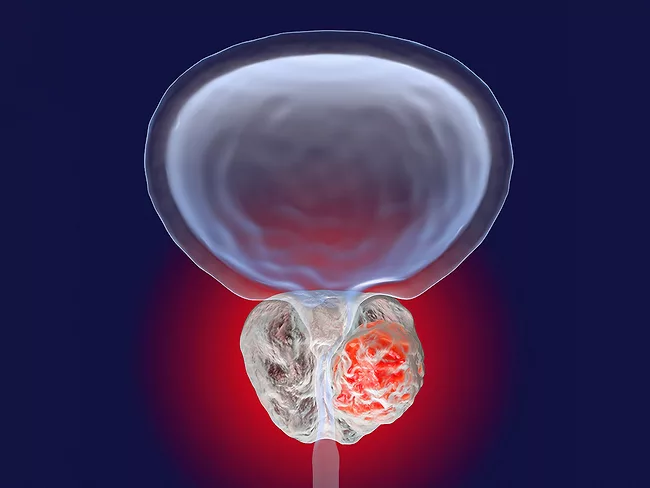
Critical Path Institute’s Translational Therapeutics Accelerator has invested in the development of QED-203 for advanced and therapy-resistant prostate cancer. Based on research at the University of Queensland’s School of Pharmacy and Pharmaceutical Sciences, QED-203 is being developed by the Queensland Emory Drug Discovery Initiative.
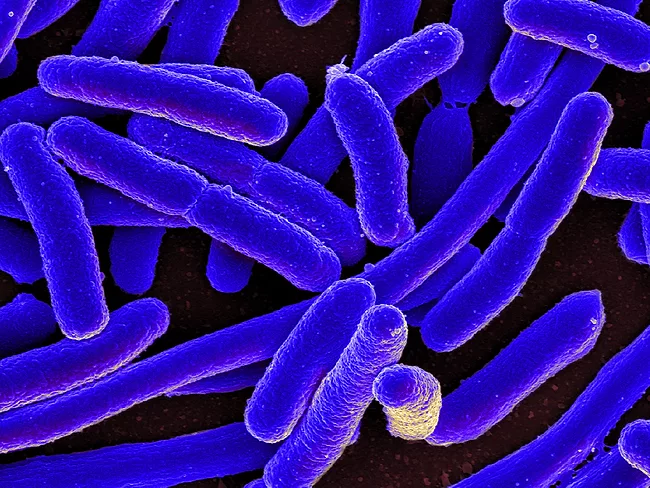
Combating Antibiotic-Resistant Bacteria Biopharmaceutical Accelerator (CARB-X) will award Arrepath Inc. $3.7 million to execute a lead optimization workplan for its first-in-class antibiotic targeting a clinically novel target for the treatment of complicated urinary tract infections caused by multidrug-resistant Enterobacterales.
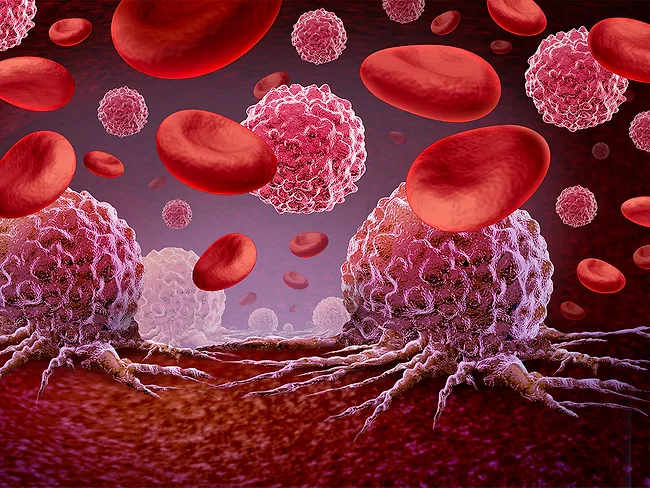
Allogenica SAS has been awarded a €2.5 million (US$2.7 million) grant under the French government’s France 2030 program to help advance its universal CAR T candidate, XL-001, for CD19-positive hematologic cancers.
Myrobalan Therapeutics Inc. has been awarded a grant of over $850,000 from the National Multiple Sclerosis Society to support the preclinical and translational development of MRO-002, a G-protein-coupled receptor 17 (GPR17) antagonist, for the treatment of progressive multiple sclerosis (MS).
CARB-X (Combating Antibiotic-Resistant Bacteria Biopharmaceutical Accelerator) has announced it will award US$2 million to Immunethep SA to develop a conjugated peptide-based vaccine to prevent infections from all invasive serotypes of Escherichia coli.
Kairos Pharma Ltd. has announced that through its academic partnership with Cedars-Sinai Medical Center, Cedars-Sinai has received $600,000 in funding from the Department of Defense lung cancer research program to advance the development of ENV-205, a new drug to treat chemotherapy drug resistance and cachexia.
Cure Rare Disease has been awarded a $5.69 million grant from the California Institute for Regenerative Medicine (CIRM) to advance the development of an antisense oligonucleotide therapy for spinocerebellar ataxia type 3 (SCA3).
Navega Therapeutics Inc. has received a $4 million Translational Science grant from the California Institute for Regenerative Medicine (CIRM) to support its work addressing neuropathic pain. The grant will fund the final preclinical development studies of NT-Z001 leading to an IND submission.

 RSS
RSS