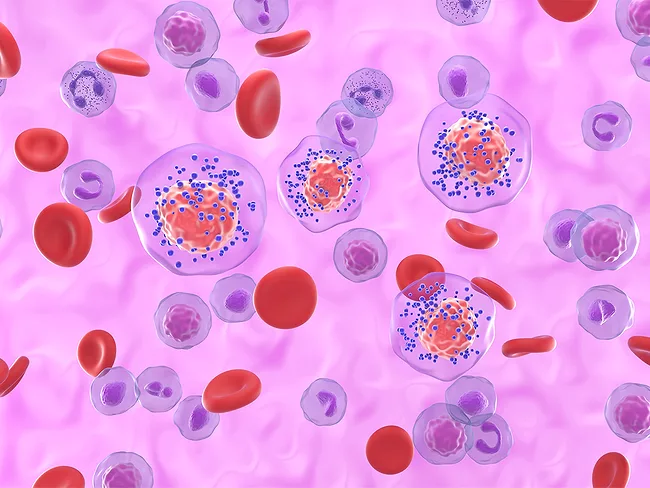
One of the functions of tumor-associated macrophages (TAMS) is to protect the tumor against the immune system, inhibiting T-cell engagement and reducing the efficacy of checkpoint inhibitors. Polyamidoamine hydroxyl dendrimers (HDs) target TAM without the need of a targeting ligand and are retained by TAMs for up to 1 month allowing radiation to deposit in the tumor.
Carbonic anhydrase IX (CAIX, CA9) is a membrane-associated isoform of the α-carbonic anhydrase enzyme family, involved in pH regulation and the acidification of the tumor microenvironment (TME) in solid tumors. It is widely recognized as a marker of tumor hypoxia and serves as a prognostic indicator in multiple human cancers.
Chinese researchers from Huazhong University of Science and Technology have developed a novel carbonic anhydrase IX (CAIX)-targeting radiotracer, [68Ga]NXK-44, for the imaging of hypoxic tumors and renal cell carcinoma (RCC).
Researchers at Washington University reported the preclinical validation of [18F]FQ-NeuroROS, a redox-sensitive reporter probe for imaging neuroinflammation in preclinical models of multiple sclerosis (MS). MS is a chronic autoimmune disorder of the central nervous system (CNS), characterized by inflammatory cell infiltration, demyelination and axonal damage.
Vitsgen Therapeutics Inc. recently provided details on the preclinical characterization of a new prostate-specific membrane antigen (PSMA)-targeted radiotheranostic agent, [177Lu]PSMA-VG-01, for the treatment of metastatic castration-resistant prostate cancer.
Researchers from Sagittide Therapeutics Co. Ltd. and Shanghai Jiao Tong University have presented results of early studies with a novel MUC1-C-targeted near-infrared imaging agent – SAG-602 – for fluorescence-guided surgery of cancer.
At the recent meeting of the Society of Nuclear Medicine and Molecular Imaging, Chinese Academy of Medical Sciences and Peking Union Medical College scientists co-presented a carbonic anhydrase IX (CAIX)-targeting 68Ga/177Lu theranostic pair for clear cell renal cell carcinoma (ccRCC) and its preclinical evaluation.
Archeus Technologies Inc. has obtained IND clearance from the FDA for ART-101, a novel receptor-based targeting small molecule for the imaging and treatment of prostate cancer.
Researchers at North China Electric Power University and collaborators have developed novel radiolabels for the membrane-bound monoamine oxidase-B that feature a coumarin core.
Being able to detect and monitor the aggregation of α-synuclein in situ could lead to more objective, earlier diagnosis of Parkinson’s disease as well as allow real-time monitoring of whether patients are responding to treatment.
 RSS
RSS