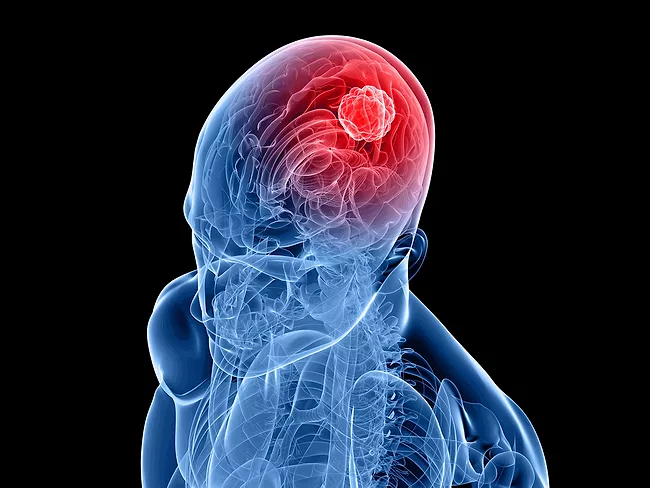
Unlike with other kinds of cancer, there’s no opportunity for a biopsy ahead of surgery for a suspected brain tumor. To help matters, researchers have developed a novel approach that combines a new, commercially available imaging technology – stimulated Raman histology (SRH) – with an artificial intelligence (AI) algorithm to offer a diagnosis of brain tumors in just a couple of minutes. They published the results of a study in the Jan. 6, 2020, issue of Nature Medicine that determined their approach was noninferior to standard pathologist interpretation of histologic images.
SAN FRANCISCO – Investor confidence in Exact Sciences Corp. has started to stumble in recent months. The Madison, Wis.-based company’s valuation peaked at about $15.5 billion just a few short weeks after it announced that it would acquire Genomic Health Inc. in late July. Its market cap trajectory has been uneven since and took another hit when the company preannounced 2019 earnings at the J.P. Morgan (JPM) Healthcare Conference, falling to around $13.5 billion.
HONG KONG – South Korean med tech Olive Healthcare Inc. has attracted ₩8 billion (US$6.91 million) in series B funding. The Seoul-based company is focused on abdominal fat scanning and breast cancer diagnosis, using nonradiative and noninvasive near infrared (NIR) technology, artificial intelligence (AI) algorithms, and big data processing for a customized medical service.
SAN FRANCISCO – Guardant Health Inc. has set the standard for liquid biopsy. That success has catapulted the Redwood City, Calif.-based company from an IPO in the fall of 2018 to a current valuation in excess of $7 billion. It has made its name – and much of its revenue – with its Guardant360 test, a molecular diagnostic test that assesses 74 cancer-related genes from the circulating tumor DNA to aid in designing the best treatment for advanced cancer patients with solid tumors.
The U.S. Supreme Court has declined to hear the case of Athena v. Mayo, which many hoped would ease the patent subject matter eligibility problem. This outcome leaves Congress and the Court of Appeals for the Federal Circuit as the only likely sources of resolution for the problem, but there is skepticism as to whether either of these parties is both willing and able to overcome the impasse.
LONDON – Cognetivity Neurosciences Ltd. has received CE software as a medical device approval for its cognitive assessment tool, a five-minute test intended as a diagnostic aid to identifying the earliest stages of dementia.
Artificial intelligence (AI) health care startup Cardiologs Technologies SAS scooped up $15 million in a series A funding round led by Alven Capital Partners. The Paris-based company, which has an artificial intelligence-based platform to quickly diagnose cardiac arrhythmias, plans to use the money to grow its sales and marketing efforts across North America and Europe. The funds will also be used to advance the platform’s capabilities. Also participating in the financing were previous investors Bpifrance, Isai, Kurma Diagnostics, Idinvest Partners and Paris Saclay Seed Fund.
What does the landscape look like in terms of funding for digital health? Geoffrey Starr, a partner at Cooley LLP, dove into this question during the Digital Health Summit, part of CES 2020. He acknowledged that 2019 saw a slight dip in funding compared with the record-breaking previous year. With that said, it was the second largest year ever for digital health care financings, with more than one-third of all health care venture financings involving digital health technologies.
 RSS
RSS