Elixir Medical Corp. revealed that data from the Pinnacle I study has validated the safety and effectiveness of its Lithix Hertz contact intravascular lithotripsy system to treat moderate to severe calcified coronary artery lesions by percutaneous transluminal coronary angioplasty.
One-year results of the DETOUR2 trial published in the Journal of Vascular Surgery demonstrate outstanding results for Endologix LLC’s percutaneous transmural arterial bypass system for treatment of severe peripheral artery disease. The study showed nearly all patients experienced improvement in acute limb ischemia with freedom from occlusion of 92% and freedom from revascularization of nearly 88% at 12 months.
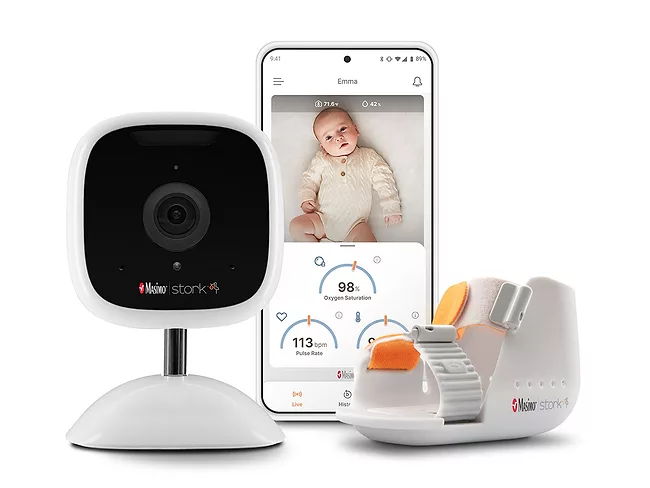
Masimo Corp.’s pride and joy, the Stork baby monitor, achieved a new developmental milestone with U.S. FDA clearance for over-the-counter marketing. The agency cleared Stork, which monitors key vital signs including oxygen saturation level, pulse rate and skin temperature, for use on a prescription basis in December. It has been available in the U.S. as a health and wellness device since August 2023.
Epitel Inc. received U.S. FDA clearances for two epilepsy-focused technologies that simplify detection and analysis of seizures in patients with suspected epilepsy. The Remi remote electroencephalogram monitoring system is a wearable device that allows patients to continue with their daily activities for extended periods without the restrictions of wires, while still capturing intermittent seizures. The Remi Vigilenz artificial intelligence system uses machine learning to identify and note seizure events in the Remi EEG records.
Precision medicine holds exciting promise for the medical device industry as it offers a range of solutions within diagnostics, digital devices and imaging, which could transform patient care, delegates heard at the LSX World Congress in London. However, there are a range of challenges ahead, including the population of clinical data, getting past the inertia of physicians and making it easier to run clinical studies.
The U.K. government said it is taking active steps to ensure that the country’s health and social care system can reliably access safe, effective and innovative technologies. One year following its inaugural medical technology strategy, the government reported changes underway which have already transformed the med-tech sector and consequently patients’ lives.
While the U.S. FDA’s final rule for regulation of lab-developed tests (LDTs) has yet to emerge, there is some reason to expect the rule will be met with litigation from clinical lab associations. The FDA’s Jeff Shuren said in remarks to this year’s meeting of the Medical Device Manufacturers Association that there is a legitimate problem with the accuracy of many LDTs, adding that while stakeholders are at liberty to question the FDA’s rulemaking, the agency’s experience in this area indicates that the question of LDT reliability is not up for debate.
Medtronic plc reported data from a head-to-head trial backing its Evolut TAVR system against competitor Edwards Lifesciences Corp.’s Sapien platform, and the data showed particular promise of the Evolut in patients with a small aortic annulus, which would appear to be most beneficial for women in particular.
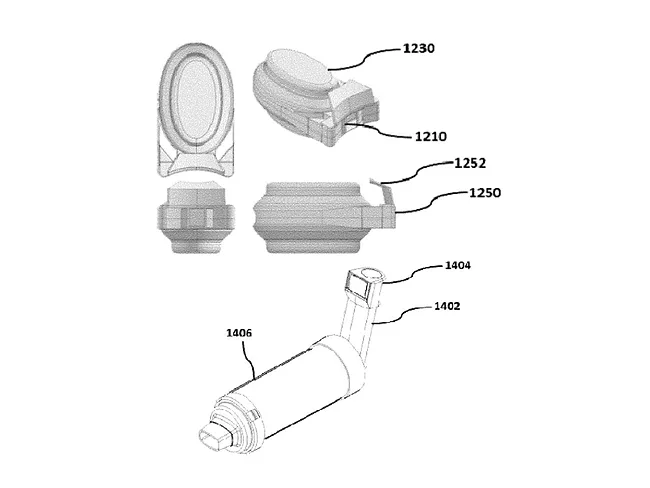
In what represents its first patenting, Halifax, Nova Scotia-based Hollo Medical Inc. seeks protection for its product that is designed for inhaler users who are frustrated with cumbersome valved holding chambers and desire something more compact and portable.
In a departure from its focus on using implanted electrodes to treat urinary incontinence, Amber Therapeutics Ltd. has filed for protection of similar approaches to treat sexual dysfunction and pelvic pain.
 RSS
RSS