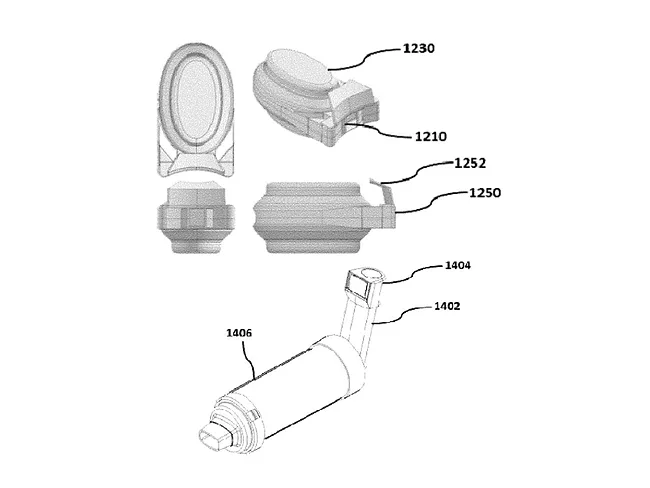
In what represents its first patenting, Halifax, Nova Scotia-based Hollo Medical Inc. seeks protection for its product that is designed for inhaler users who are frustrated with cumbersome valved holding chambers and desire something more compact and portable.
In a departure from its focus on using implanted electrodes to treat urinary incontinence, Amber Therapeutics Ltd. has filed for protection of similar approaches to treat sexual dysfunction and pelvic pain.
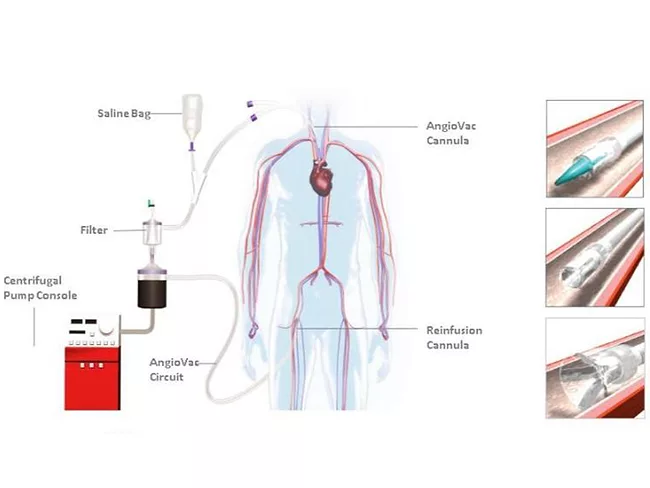
Angiodynamics Inc. said it has settled with the parent company of C.R. Bard Inc., over a series of conflicts over patents held by Bard that will cost Angiodynamics nearly $10 million just in 2024, potentially significantly more.
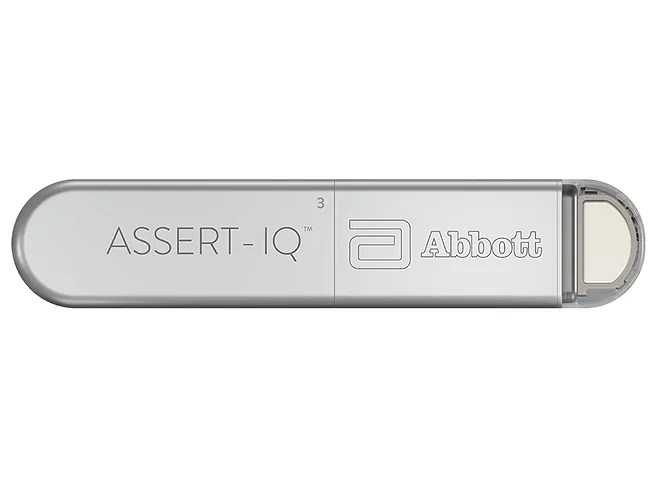
Abbott Laboratories landed CE mark for two versions of its Assert-IQ insertable cardiac monitor (ICM), one with a three-year battery life, the other lasting six years. Designed for long-term remote monitoring of individuals with abnormal heartbeats or at risk of developing arrhythmias, the device helps detect often-fleeting irregularities in heart rhythm to assist in diagnosis and care management.
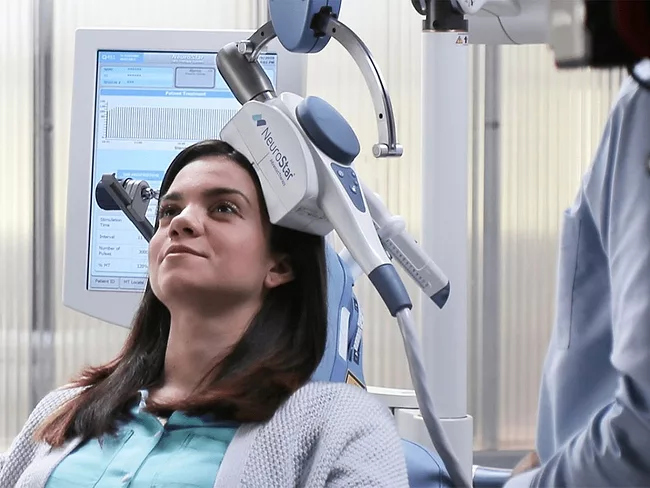
The U.S. FDA granted Neuronetics Inc. clearance for use of its Neurostar advanced therapy as an adjunctive treatment of major depressive disorder in patients aged 15 to 21, making it the first transcranial magnetic stimulation treatment (TMS) cleared for this age group, the company said.
Japanese researchers from Chiba University are spearheading new research into Peace of Mind Co. Ltd.’s portable Angel Touch device (AT-04), approved for neurological disorders, to treat endometriosis-related pain.
Another med-tech acquisition was wiped off the charts after Japan’s Olympus Corp. rescinded the acquisition of South Korean medical device firm Taewoong Medical Co. Ltd. on March 7, after finding “data integrity issues” related to Taewoong’s products.
While preparing a follow-on phase III study of its Cardiamp cell therapy, Biocardia Inc. has mined positive interim data at a mean 20-month follow-up of all patients in the original Cardiamp HF Trial.
With the number of people with dementia in Australia expected to nearly double by 2054, the federal government is funding a new AU$50 million (US$32.76 million) biomedical and med-tech incubator program to develop new therapies, medical devices and digital health technologies to address dementia and cognitive decline.
Unless there’s a last-minute meeting of the minds, it looks like any extension of the World Trade Organization’s (WTO) five-year intellectual property waiver for COVID-19 vaccines will be shelved, at least for now.
 RSS
RSS