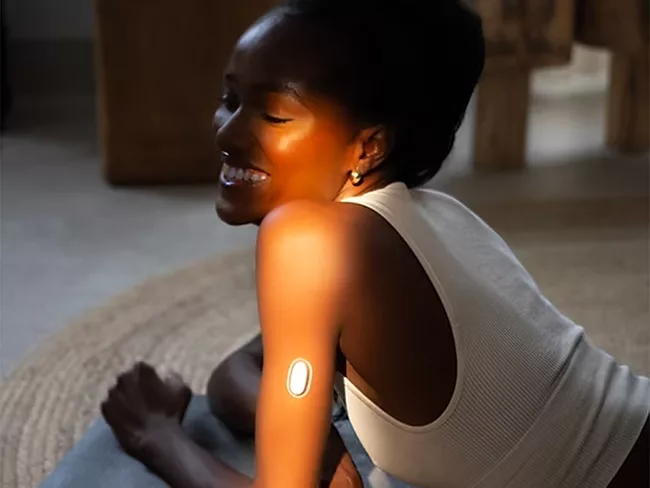
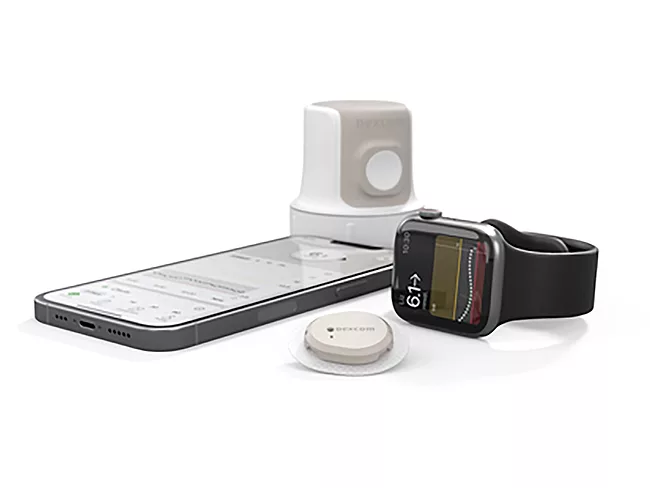
Sava Technologies Ltd. raised $19 million in a series A funding round for its multi-molecule biosensor platform that can detect biomarkers just beneath the skin, in real-time. The funds will go towards its first product, a continuous glucose monitor, which early clinical data showed can generate accurate glucose readings for up to 10 days of continuous wear.
Trinity Biotech plc recently unveiled CGM+, an AI-native, wearable biosensor that goes beyond traditional continuous glucose monitors and tracks glucose levels, cardiovascular activity and body temperature at the same time. The company believes that as precision medicine becomes central to health care, especially with the collection of real-time data, CGM+ will become a critical enabler of AI-based diagnostics, behavioral coaching and chronic disease management.
Glucomodicum Oy reported positive results from a clinical study in which its needle-free continuous glucose monitor, Talisman, was tested in participants across both standard multi-hour glucose tolerance and ambulatory conditions involving exercise and meals.
The U.S. Centers for Medicare & Medicaid Services posted the draft home health rule for calendar year 2026, which includes a proposal to subject continuous glucose monitors and insulin pumps to competitive bidding, but the agency is also considering a more rapid pace of replacement of these technologies.
The rapid adoption of the Omnipod 5 answered a question automated insulin delivery system manufacturers posed for years: with clear health benefits and payer coverage, why has pump adoption been so slow? Insulet Corp.’s Omnipod 5’s rapid rise to dominance demonstrated unequivocally that people with diabetes want a stick-and-forget device. The American Diabetes Association’s 85th Scientific Sessions in Chicago on June 20-23 made just as clear that pump makers received the message with several companies outlining plans to introduce a patch system in the next two years.
Abbott Laboratories grabbed attention in early June with its announcement of a partnership with Tandem Diabetes Care Inc. to develop a multianalyte sensor for people with diabetes that would measure ketones as well as glucose.
With a growing number of people wearing continuous glucose monitors and an ever-shrinking number of hospital-based nurses, bringing your own device or using personal CGMs to measure glucose levels during hospitalizations seems like a no-brainer.
Step aside, Marco Polo: Kakao Healthcare Corp. plans to bring PASTA to Japan. PASTA is Kakao's AI-based continuous glucose monitoring (CGM) management mobile application, which will be available in Japan through a new subsidiary as the health care company works to expand its global presence.
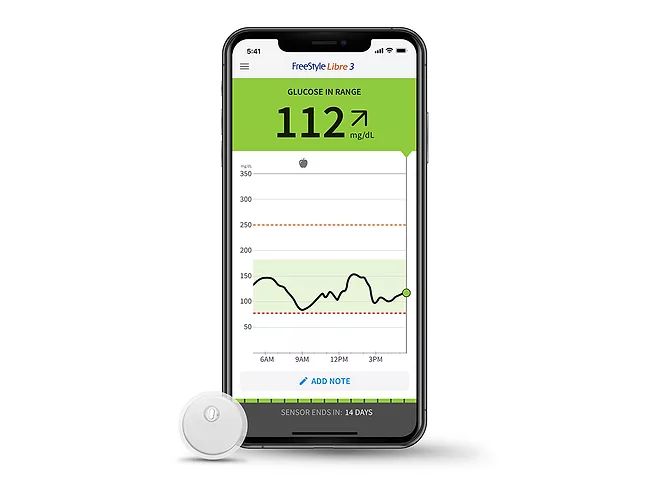
A pair of studies published in Diabetologia demonstrate that use of continuous glucose monitors (CGMs) reduces hospitalizations in people with type 1 diabetes and in those with type 2 diabetes who use insulin compared to use of capillary blood glucose monitoring. Abbott Laboratories’s REFLECT real-world studies showed that use of its Freestyle Libre CGMs reduced the severity of cardiovascular conditions associated with diabetes and, consequently, led to fewer in-patient stays.
 RSS
RSS