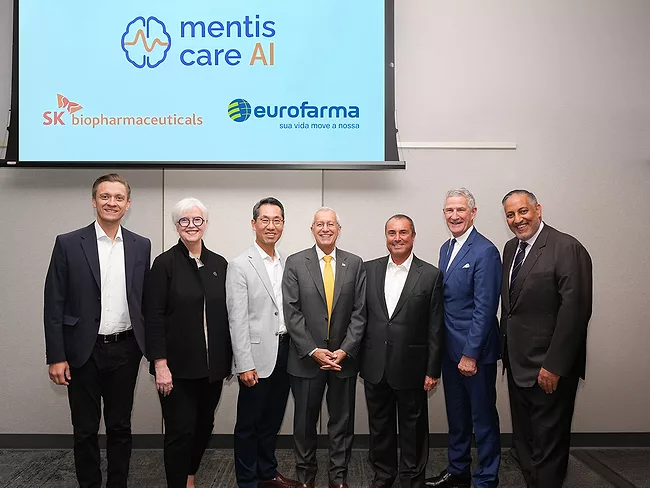
SK Biopharmaceuticals Co. Ltd. and Eurofarma Laboratórios SA launched a new joint venture called Mentis Care Inc. Oct. 21, dedicated to developing an AI-powered platform for epilepsy management.
Kyorin Pharmaceutical Co. Ltd. struck two licensing deals recently, including one with Hyfe Inc. Feb. 25 to develop the world’s potential first prescription digital therapeutic for chronic cough in Japan.
South Korea’s Ministry of Food and Drug Safety said it released the world’s first guideline on reviewing and approving generative artificial intelligence-based medical devices Jan. 24, to help establish standards on the technology’s applications in the medical field.
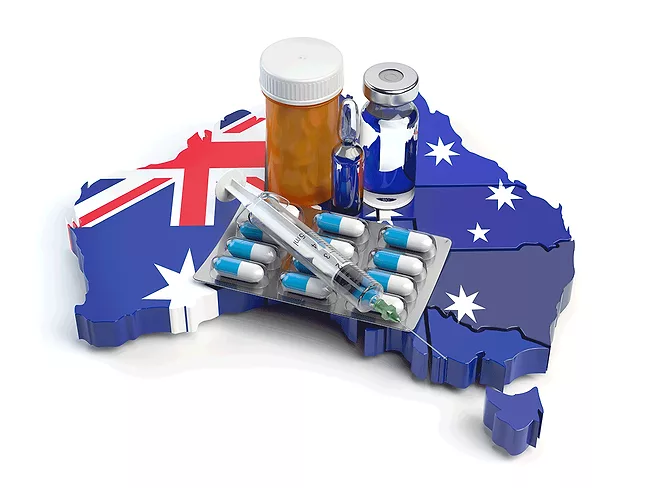
Australia is the skin cancer capital of the world, but with a shortage of dermatologists, patients often wait too long to get skin checks that could end up costing them their lives.
Asia Pacific is the fastest growing region for health care spending, and by 2030 APAC will account for more than 20% of global health care spending, Tom Lawry, managing director of Second Century Tech told the APACMed Forum 2024 conference held in Singapore, Sept 5-6.
South Korean digital health care firm Seers Technology Co. Ltd. is targeting a ₩22.1 billion (US$16.2 million) IPO on the Korea Exchange, after upping the offering price of its 1.3 million shares to ₩17,000 per share on June 4.
As the average cost of new drug R&D continues to skyrocket, the perception around using artificial intelligence (AI) as a tool to boost drug discovery is changing. “Developing new AI-based drugs is a difficult task, not only for Korea but also for countries with leading AI technology,” Hyeyun Jung, principal researcher of Korea Health Industry Development Institute’s Center for Health Industry Policy, told the audience at the Bio Korea meeting on May 9. “But there is a change in perception; [namely that] applying AI to new drug development is not an option but a necessity.”
With the number of people with dementia in Australia expected to nearly double by 2054, the federal government is funding a new AU$50 million (US$32.76 million) biomedical and med-tech incubator program to develop new therapies, medical devices and digital health technologies to address dementia and cognitive decline.
The Australian government will deliver $50 million to a new biomedical and med-tech incubator (BMTI) program for health discoveries spanning early-stage drug development through to cutting edge medical devices and evidence-based digital health technologies.
 RSS
RSS