Nec Corp. is branching out into new health care and life science businesses, which will make use of artificial intelligence (AI) and other digital technologies. It is targeting a business value of ¥500 billion (US$4.56 billion) for these new areas by 2030. “Nec already announced this in our Mid-term Management Plan 2025 and is creating this health care and life sciences business to help drive future growth. As to why we chose 2030, it relates back to our Nec 2030VISION outlined in the plan,” an Nec spokesperson told BioWorld.
The U.K. government has doubled down on its overarching strategy for artificial intelligence (AI) with a 10-year plan to sustain the nation’s place in the global AI race. One of the key considerations in this plan is to revisit the criteria for status as an inventor, a clear nod to the dilemma presented by proponents of allowing the DABUS algorithm to be named as an inventor.
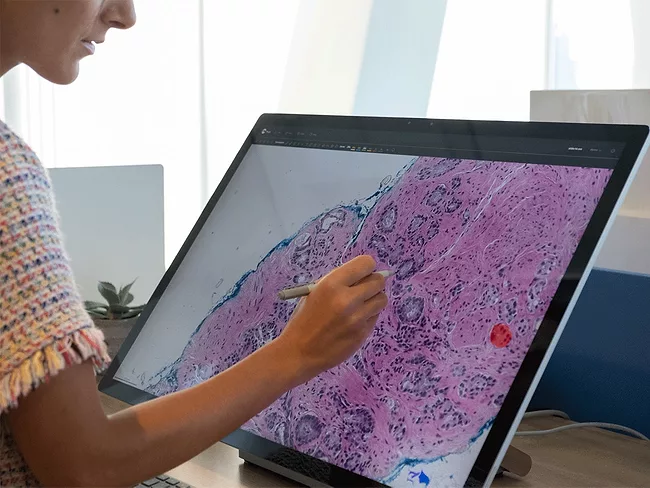
The FDA granted de novo marketing authorization for Paige Prostate, artificial intelligence (AI)-driven software that improves detection of prostate cancer. The clinical study submitted to the FDA demonstrated that using Paige Prostate resulted in a 7% improvement in sensitivity in correctly diagnosing cancer, increasing from 89.5% to 96.8%.
While European health care systems have historically lagged the U.S. in terms of digital adoption, a report by investment firm Albion VC is highlighting how the pandemic has created the momentum for change.
Regulatory snapshots, including global submissions and approvals, clinical trial approvals and other regulatory decisions and designations: Co-Diagnostics, Ivwatch, Kleiner, Welldoc.
The med-tech regulatory picture is already in a state of flux thanks to changes imposed by the EU, but device makers and those in the digital health space might soon be facing yet another series of profound changes in Europe. The U.K. Medicines and Health Care Products Regulatory Agency (MHRA) has proposed to revamp its regulatory framework for both traditional medical device and for software/artificial intelligence, adding yet more uncertainty to an already turbulent European regulatory environment.
The COVID-19 pandemic is still swirling about, and rapid antigen tests are still playing a vital role in pushing back against the COVID-19 pandemic, and Australia’s TGA has responded with a guidance on when software used with rapid antigen tests qualifies as a regulated device. The TGA has classified such software as a class 3 device when used with a rapid antigen self-test, thus requiring a separate regulatory application before it can be eligible for entry in the Australian Register of Therapeutic Goods (ARTG).
Clinical updates, including trial initiations, enrollment status and data readouts and publications: Gemina Labs, Medalliance, Merit Medical, Retina-AI Health.
Prophet, Oncohost Ltd.’s artificial intelligence-driven proteomics profiling platform, predicted response to immune checkpoint inhibitor (ICI) therapy in non-small-cell lung carcinoma (NSCLC) patients in a study presented at the European Society for Medical Oncology Virtual Congress 2021. While ICI can generate a significant positive response in some patients with advanced NSCLC, in others the therapy promotes tumor growth, making identification of likely responders prior to treatment critical.
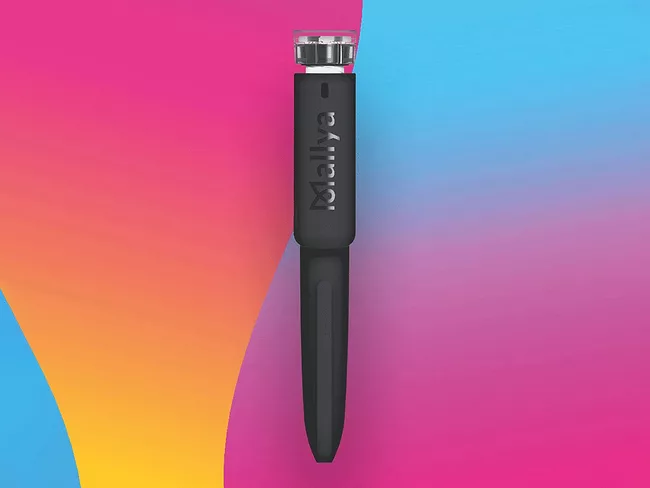
Merck KGaA has signed an agreement with French company Biocorp SA to develop a version of its Mallya smart device for monitoring human growth hormone (HGH) treatment. Mallya is a clip-on device for pen injectors that collects the dose and time of each injection and transfers the information in real time to a companion software using Bluetooth technology. The device is CE marked (Class IIb) and was first launched in France in 2020.
 RSS
RSS