Abbott Laboratories has won the U.S. FDA’s nod for an iOS-compatible app that is designed to optimize care for people using the company’s neuromodulation devices to manage their chronic pain and movement disorders. The digital tool, which can be used on several Apple devices, is part of Abbott’s Neurosphere Digital Care connected care management platform, which launched in May.
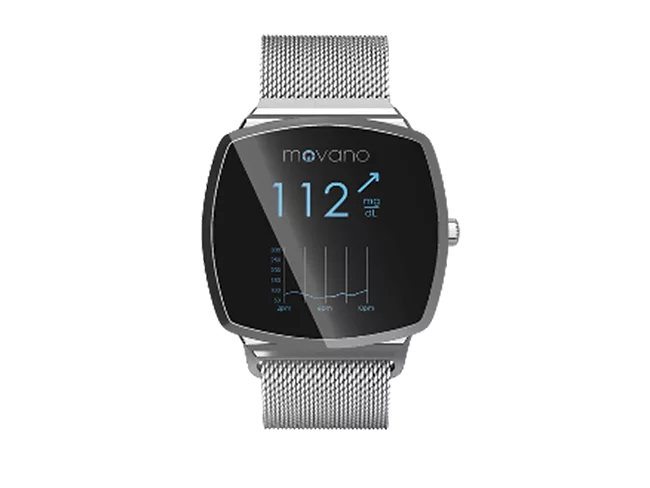
Commercial continuous glucose monitors (CGMs) require some access to a patient’s blood, typically through tiny needles embedded in a wearable patch sensor. But Movano Inc. is working to develop a CGM that is based on radio frequency technology to monitor glucose levels via a noninvasive, external wearable, likely in a form factor akin to a watch or a wrist-worn fitness wearable.
Startup Brightinsight Inc. is working to make the infrastructure behind digital health easily accessible to pharma and med-tech companies. To aid it on this path, the San Jose, Calif.-based company has raised a $40 million series B round to expand its capabilities and global reach.
Widespread testing is going to be key to safely reopening businesses and global economies in the current pandemic. To that end, Kahala Biosciences LLC, an Irvine, Calif.-based testing and tracking startup, and its technology partner, Rymedi Inc., of Greenville, S.C., have launched the Adiona COVID-19 antibody testing platform, combining antibody testing with a blockchain-enabled smartphone app to increase predictability and traceability of potential outbreaks.
PERTH, Australia – Australia is taking several measures to increase diagnostic testing for COVID-19 and rolling out a national surveillance app as it prepares to relax social distancing measures and get back to work.
KARACHI, Pakistan – The government of Pakistan is tapping into mobile technology to protect its pharmaceutical supply chain and prevent abuse. As part of an ongoing effort to deal with an overabundance of fake and counterfeit medicines, Pakistan has introduced a mobile app that allows for instant access to the country’s National Essential Medicines List (NEML) while giving patients access to drug information and the ability to lodge complaints with regulators.
The novel coronavirus pandemic has been managed with widely varying degrees of success around the world. Artificial intelligence (AI), which can help to power all sorts of efforts, has been enlisted thus far in limited ways. But researchers at a virtual conference held on April 1 by the Stanford Institute for Human-Centered Artificial Intelligence explored some of the ongoing and potential applications of AI to systematize efforts to fight COVID-19.
PERTH, Australia – Australian digital health company Resapp Health Ltd. was down nearly 52% following news that the U.S. FDA rejected its de novo request for its smartphone application for the diagnosis and management of respiratory disease. The agency rejected the application, citing the need for additional information to demonstrate that the “clinical benefits of the device outweigh the risks,” CEO Tony Keating told analysts during a March 12 conference call on the news.
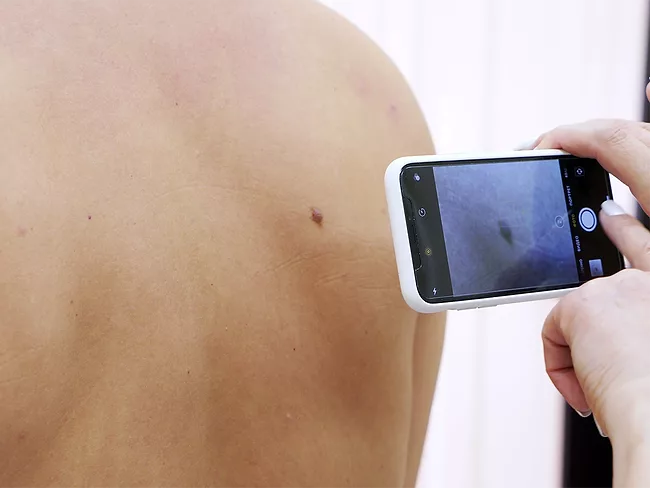
LONDON – Consumer smartphone apps that use image processing algorithms to assess and monitor potentially cancerous skin lesions have not been properly tested in clinical trials and cannot be relied on to produce accurate results, according to a systematic review of published studies.
 RSS
RSS