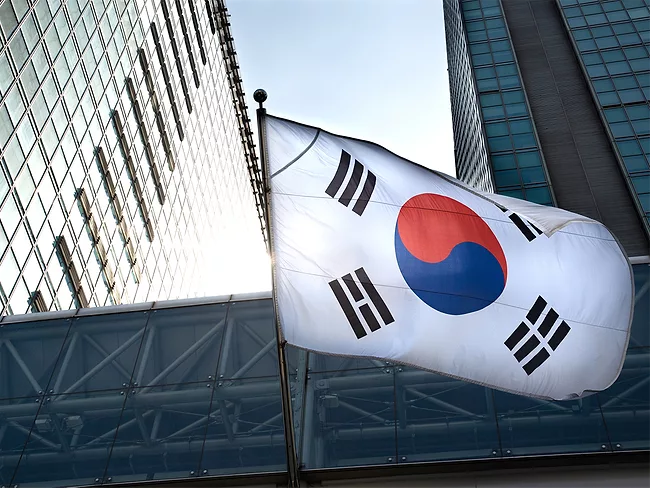
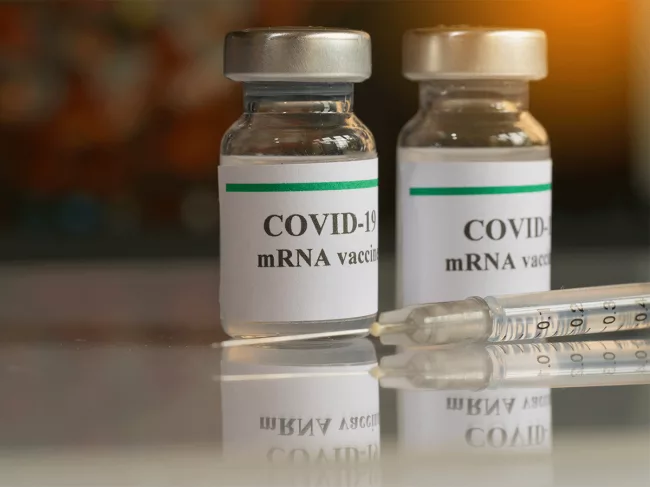
Plants could be an alternative vaccine platform for both COVID-19 and future pandemics, shaking up a biologics sector that is currently mostly protein-based. South Korean company Bioapplications Inc., for example, is aiming to have a plant-derived booster shot for COVID-19 in the clinic in 2022.
Antengene Corp. Ltd. has formed a partnership with Legochem Biosciences Inc. to jointly develop new antibody-drug conjugates (ADCs) primarily for cancer. The partners will integrate antibodies from Antengene with Legochem’s ADC technology.
China’s Center for Drug Evaluation (CDE) released a draft guide on clinical trials of drugs for rare disease as part of an ongoing push to encourage new drug development and nudge developers to focus on biomarkers, pharmacometrics and patient-reported outcomes. Both are needed to continue moving China’s R&D capabilities up the value chain and closer to being on par with the capabilities of other countries that are at the forefront of new drug development.
Cerecin Inc. has raised $40 million in an oversubscribed round of financing, paving the way for a potential listing in South Korea. Proceeds of the financing will fund the expansion of the company’s current studies and support the planning and initiation of a global phase III study of its lead candidate, tricaprilin, in Alzheimer’s disease.
D&D Pharmatech Inc., a Korean-American firm commercializing innovation from Johns Hopkins University raised $51 million in a pre-IPO series C round, which sets the stage for an IPO in Seoul early next year.
Baidu Inc.’s preclinical studies showed the mRNA vaccine sequences for COVID-19 designed using its Lineardesign algorithm outperformed the benchmark sequences designed by traditional algorithms in terms of stability, protein expression and immunogenicity. The firm teamed up with Stemirna Therapeutics Co. Ltd., which specializes in the R&D of mRNA vaccines and drugs, to test seven mRNA COVID-19 vaccine sequences designed using Lineardesign.
Abbisko Cayman Ltd. has raised $226 million through an IPO in Hong Kong, where it launched with an initial price of HK$12.46 (US$1.60) per share. The company, doing business as Abbisko Therapeutics, plans to use about a third of the proceeds for research and development of its lead candidate, ABSK-091, a targeted inhibitor of fibroblast growth factor receptor subtypes 1, 2 and 3 intended as a potential treatment for multiple solid tumors, including urothelial cancer, gastric cancer, cholangiocarcinoma and lung cancer.
Aum Biosciences Pte. Ltd., a company developing targeted cancer therapies, has closed a $27 million series A funding round. The Singapore-based company plans to use the proceeds to advance clinical development of its portfolio with immediate initiation of two phase II programs for MNK and tropomyosin receptor kinase inhibitors.
Sumitomo Dainippon Pharma Co. Ltd., its U.S.-based subsidiary Sunovion Pharmaceuticals Inc. and Otsuka Pharmaceutical Co. Ltd. have inked a global collaboration agreement to jointly advance four new compounds for serious neuropsychiatric conditions. Sunovion granted Otsuka rights to collaboratively develop and commercialize the four compounds worldwide. In return, Sunovion will receive an up-front payment of $270 million and up to $620 million in development milestone payments for the agents, with the potential for more depending on additional indications. It could also receive sales milestones from Otsuka.
The COVID-19 pandemic has pushed India’s pharmaceutical and medical device industries towards the more widespread use of blockchain as part of a significant digital transformation effort underpinned by growing use of the Internet of Things (IoT), machine learning (ML) and the use of artificial intelligence (AI).

 RSS
RSS