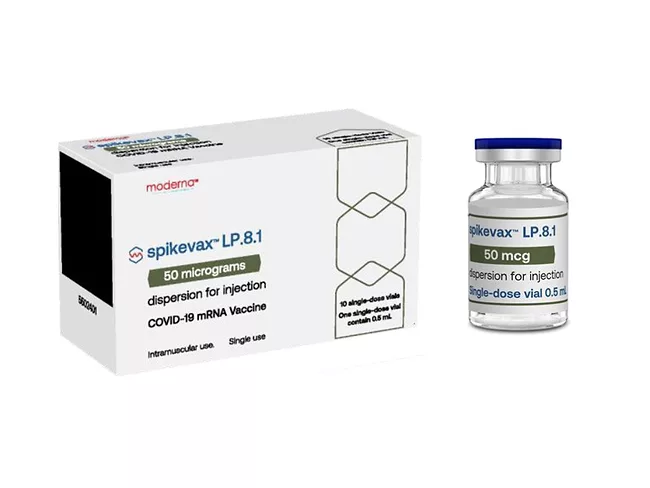
South Korea’s Ministry of Food and Drug Safety approved Moderna Inc.’s Spikevax LP.8.1 vaccine as an updated shot for COVID-19 targeting the LP.8.1 variant, according to Moderna Korea’s announcement Sept. 1. The regulatory clearance comes days after the U.S. FDA accepted, on Aug. 27, Moderna’s supplemental BLAs for two of its COVID-19 vaccines, Spikevax and Mnexspike.
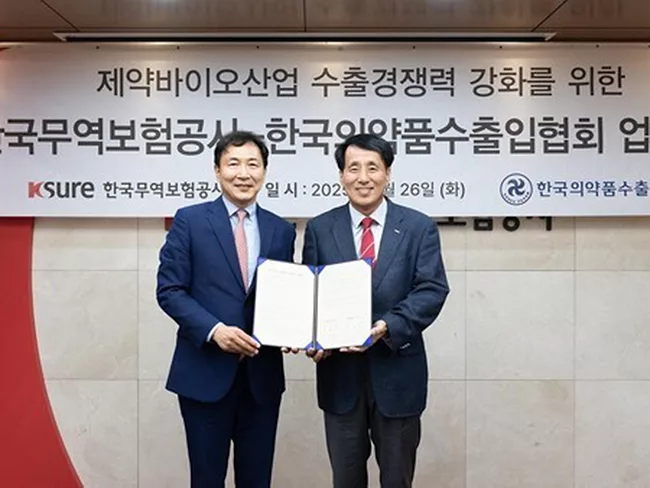
The Korea Pharmaceutical Traders Association said Aug. 26 that it signed a strategic agreement with Korea Trade Insurance Corp. to support South Korean companies exporting biopharmaceutical materials overseas.
Telix Pharmaceuticals Ltd. received an FDA complete response letter (CRL) a day after the Aug. 27 PDUFA date for its BLA for radiopharmaceutical renal cancer imaging agent, Zircaix (TLX250-CDx, 89Zr-DFO-girentuximab).
Shanghai Fosun Pharmaceutical (Group) Co. Ltd.’s subsidiary, Shanghai Fosun Pharma Industrial, signed off ex-China rights to a phase II small-molecule inhibitor, FXS-6837, to Sitala Bio Ltd. in a potential $675 million deal.
Bio-Thera Solutions Inc. announced Aug. 26 that the European Commission cleared Usymro (BAT-2206) as a biosimilar to Janssen Pharmaceuticals Inc.’s Stelara (ustekinumab). The EMA issued marketing authorization for Usymro on Aug. 14, following the EMA’s Committee for Medicinal Products for Human Use adopting a positive opinion on June 19.
The recombinant fusion protein drug telitacicept from Remegen Co. Ltd. and Vor Bio Inc. has notched a phase III win in treating adults with IgA nephropathy. The clinical trial of the fusion protein hit the primary endpoint, reducing proteinuria, too much protein in patients’ urine, in stage A of the study in China.
Summit Therapeutics Inc.’s presentation for bispecific antibody ivonescimab in non-small-cell lung cancer could draw some extra attention at next month’s World Conference on Lung Cancer meeting thanks to promising overall survival data from partner Akeso Pharmaceuticals Inc.’s China study of the PD-1/VEGF candidate.
Beone Medicines Ltd. (formerly Beigene Ltd.) is selling its worldwide royalty rights on Imdelltra (tarlatamab) sales, excluding China, to Royalty Pharma for up to $950 million.
Akeso Pharmaceuticals Inc.’s gumokimab (AK-111) and manfidokimab met all primary efficacy endpoints in its phase III trials in active ankylosing spondylitis and in moderate to severe atopic dermatitis, respectively.
Ribomic’s umedaptanib pegol (RBM-007) looks to have some advantages compared to competitors in the achondroplasia space, and the company plans to progress the oligonucleotide-based aptamer that targets anti fibroblast growth factor 2 to phase III trials, Ribomic’s business development head, Kihei Yamashita, told BioWorld.
 RSS
RSS