The unsettling impact that the Trump administration’s health care and tariff initiatives are having on M&A activity and financing is highlighted in a new survey of CEOs and investors, who say uncertainty related to the U.S. policy environment is the top challenge they face when it comes to executing deals.
Starpharma Holdings Ltd.’s stock shot up 73% on the news that it is outlicensing its dendrimer enhanced product drug delivery technology to Roche Holding AG subsidiary Genentech Inc. in a deal worth more than $569 million.
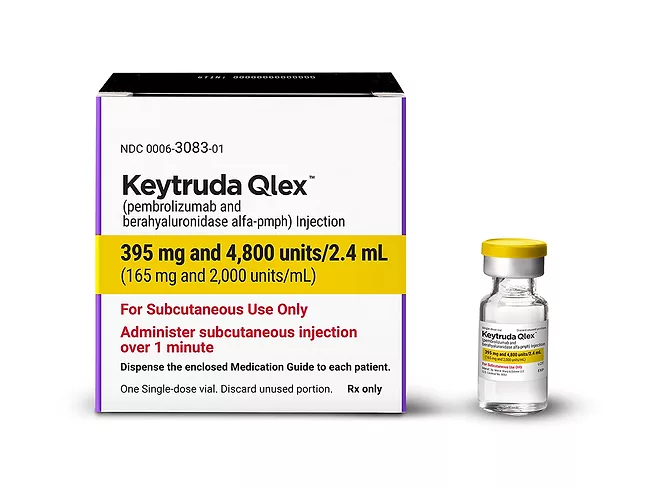
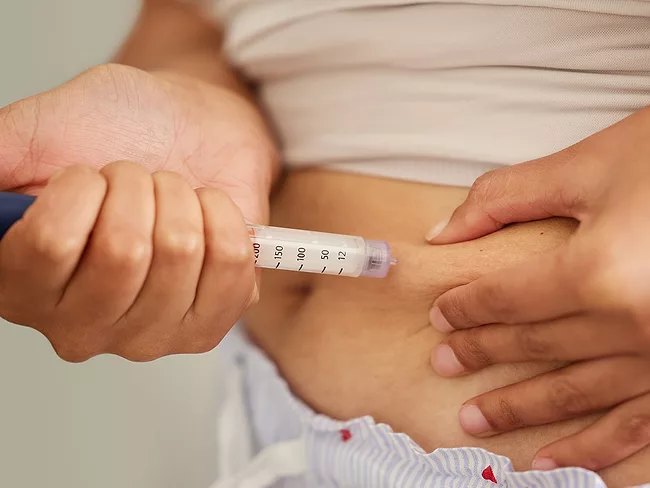
The U.S. FDA approved Merck & Co. Inc.’s Keytruda Qlex (pembrolizumab and berahyaluronidase alfa-pmph) injection on Sept. 19, making it the first and only subcutaneously (SC)-administered immune checkpoint inhibitor that can be administered in about a minute.
Genfleet Therapeutics (Shanghai) Inc. debuted on the Hong Kong Stock Exchange on its second attempt at an IPO, raising HK$1.819 billion (US$234 million). Genfleet’s shares (HKEX:2595) rose to HK$44.00 at the opening bell on Sept. 19 and closed at HK$42.10, about 106% higher than the listing price.
Beijing QL Biopharmaceutical Co. Ltd.’s once-monthly GLP-1 receptor agonist, zovaglutide (ZT-002), met its primary and secondary endpoints in a phase II obesity trial, and QL Biopharm will now advance the GLP-1 to a pivotal phase III study.
Mabwell Bioscience Co. Ltd. and Aditum Bio Management Co. LLC announced, in after-market hours Sept. 17, an agreement to forge a new company called Kalexo Bio Inc. and load the biotech with a preclinical dyslipidemia asset via a potential $1 billion global license deal.
Patients with relapsed/refractory multiple myeloma (r/r MM) treated with Carsgen Therapeutics Holdings Ltd.’s CAR T therapy, zevorcabtagene autoleucel (zevor-cel, CT-053), have shown durable responses lasting nearly five years.
CSL Ltd. inked a potential $2.1 billion deal with Dutch biotech company Varmx BV to develop VMX-C001 as a new treatment to restore blood coagulation in patients taking a factor Xa inhibitor.
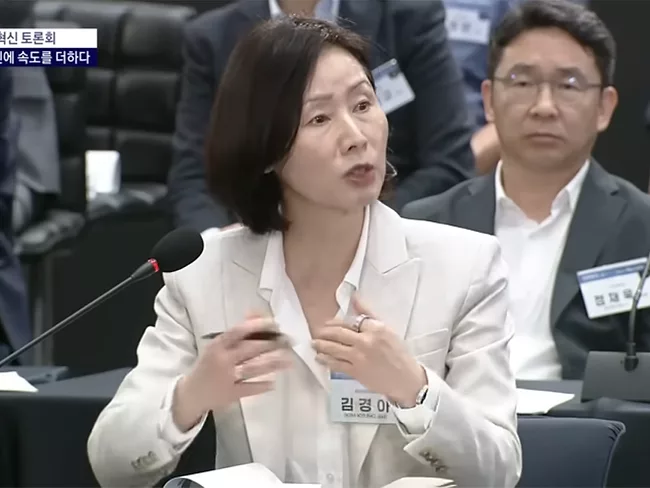
South Korea’s Ministry of Food and Drug Safety announced Sept. 12 plans to significantly raise drug application fees for biosimilars but slash their review times starting next year.
Artificial intelligence is no longer just a supporting tool in biotechnology – it is beginning to define the way drugs are discovered, tested and advanced into the clinic, speakers said during the Bio Hong Kong conference Sept. 10 to 13.
 RSS
RSS