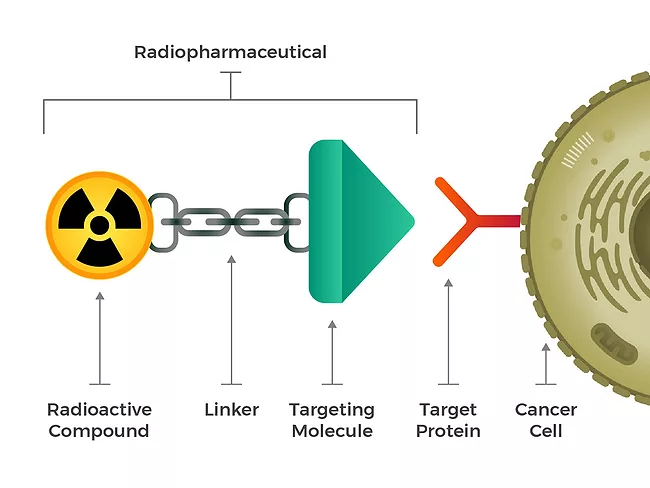
Radiopharmaceutical company Telix Pharmaceuticals Ltd. has inked a deal worth up to AU$264 million (US$171 million) to license and develop next-generation radiopharma imaging and therapy technology targeting fibroblast activation proteins found in a wide range of cancers.
Endometriosis has been woefully under-recognized in the medical community, and consequently, the delay between onset and diagnosis is often quite long, with some women waiting up to 12 years for a diagnosis.
Gender bias in cardiac treatment guidelines is putting women at risk because guidelines are written based on clinical trials conducted mostly in men. As previously reported in BioWorld, nearly 70% of female patients are underdiagnosed for cardiovascular disease as women are grossly under-represented in clinical trials.
Artificial intelligence-powered rare disease diagnostics firm 3billion Inc. debuted on the tech-heavy Kosdaq board of the Korea Exchange Nov. 14 with its IPO raising about ₩14.4 billion (US$10.25 million) via an offering of about 3.2 million shares at ₩4,500 per share, the low end of its offering price range.
Radiopharmaceutical biotech and contract development and organization firm Duchembio Co. Ltd. filed a securities report to South Korea’s Financial Services Commission Nov. 11, kickstarting the IPO process to list on the Korea Exchange.
South Korean researchers developed a novel quantum dot and parallel-stacked organic light-emitting diode (QD-PSOLED)-based wearable patch capable of being “freely tunable” in real-time, and described as a flexible and commercial-level technology with wide applications for health care wearables.
Japan’s Pharmaceuticals and Medical Devices Agency (PMDA) set up its second overseas regulatory office in Washington, four months after the drug and med-tech regulator opened its first Asia base in Bangkok, Thailand, in July 2024.
A year out from Leqembi’s approval for Alzheimer’s disease (AD), ongoing research coupled with artificial intelligence is advancing both radiopharmaceuticals and small-molecule drugs for AD diagnostics and treatment, speakers at the 2024 KoNECT-MOHW-MFDS conference said.
For Inocras Inc., the benefits of whole genome sequencing are two-fold. First is its explicit usefulness in diagnosing and treating hard-to-treat diseases like cancer and rare diseases. The second, less apparent, benefit lies in the data generated in the process, and its applications to current and future generations of cancer patients.
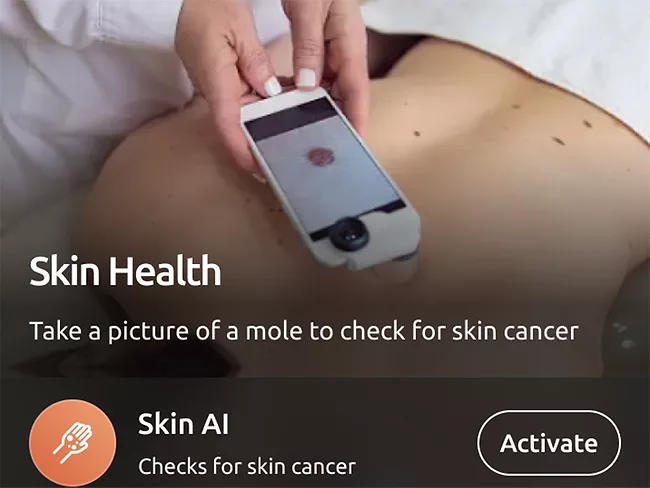
Mobile health platform company Helfie AI has partnered with Microsoft to offer Microsoft enterprise customers the ability to license Helfie’s cutting-edge health assessment tools directly through the Microsoft Azure Marketplace.
 RSS
RSS