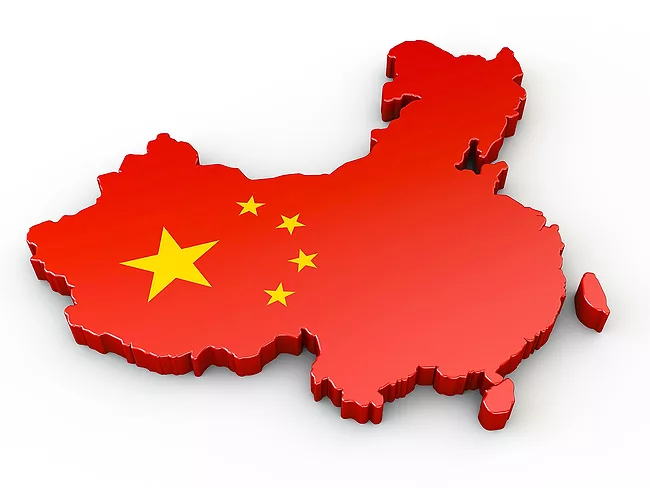
China’s National Medical Products Administration wrapped up a revision of its device classification procedures, providing entries into one of the world’s largest markets a mechanism for obtaining means for determining the risk of a novel device type.
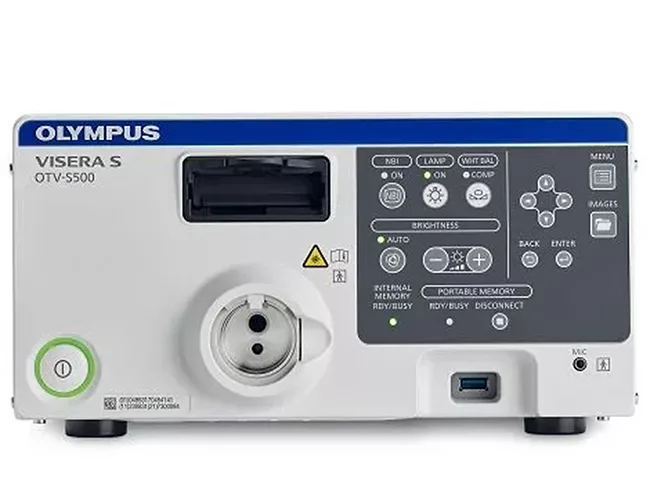
Tokyo-based Olympus Corp. launched a new video imaging platform called Visera S (OTV-S500) in Europe and select Asian countries September 2024 while advancing more rollouts for the product worldwide.
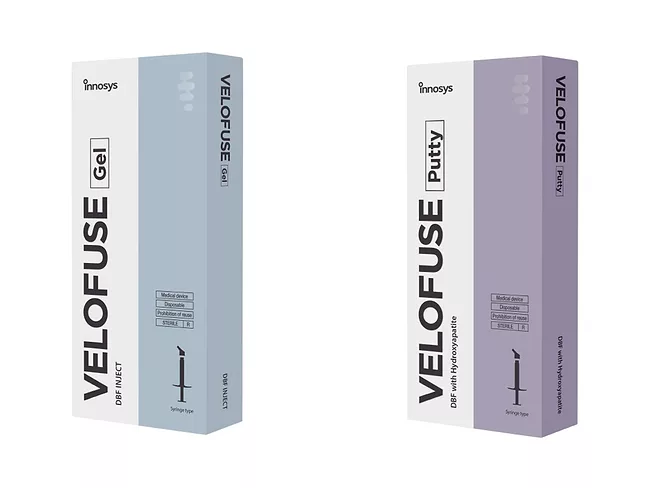
Korean med-tech firm Innosys Co. Ltd. recently launched two new injectable spine bone graft substitute products – Velofuse Gel and Velofuse Putty – and announced a name change to CG Medtech Co. Ltd., effective Nov. 4, 2024.
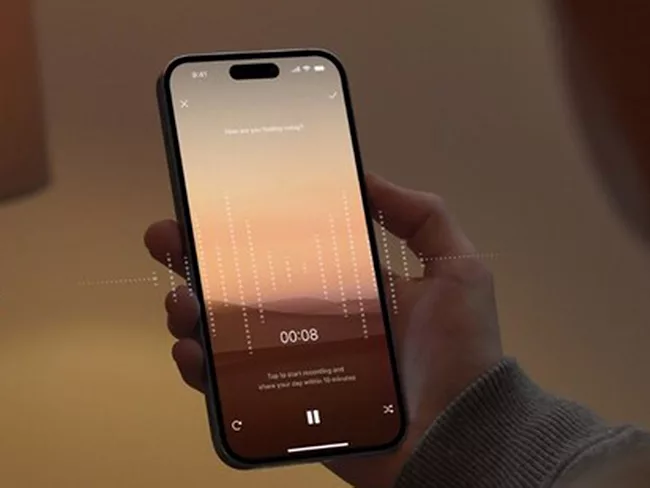
Mental tech startup Doctorpresso Co. Ltd. launched an audio journaling mobile application called Redi, in South Korea, as a voice analysis software capable of detecting depression through artificial intelligence-aided speech analysis.
One of Australia’s newest biotech investment funds is set to triple investments on the back of its success and strong investor demand. The three-year old Merchant Biotech Fund (MBF) invested in several high growth ASX-listed and private life sciences companies and finished the past financial year up more than 70%. It is up 10% for the current financial year, Portfolio Manager Reece O'Connell told BioWorld.
Radiopharmaceutical company Telix Pharmaceuticals Ltd. is continuing its buying spree to shore up dominance in the radiopharmaceutical market with its latest acquisition of RLS Radiopharmacies for $250 million to expand its U.S. manufacturing presence and establish a next-generation radiometal production network.
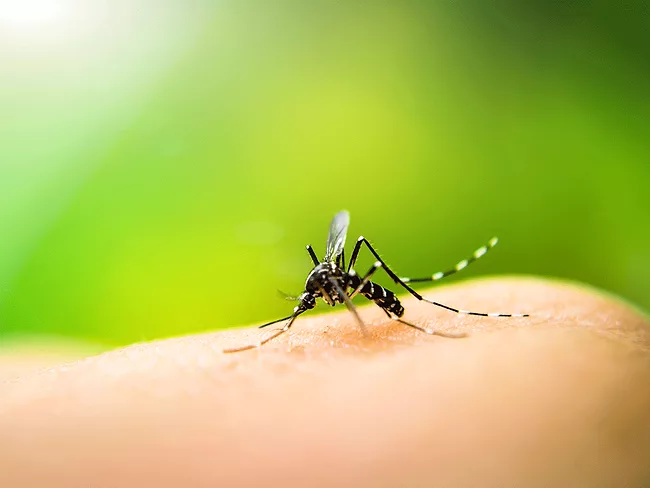
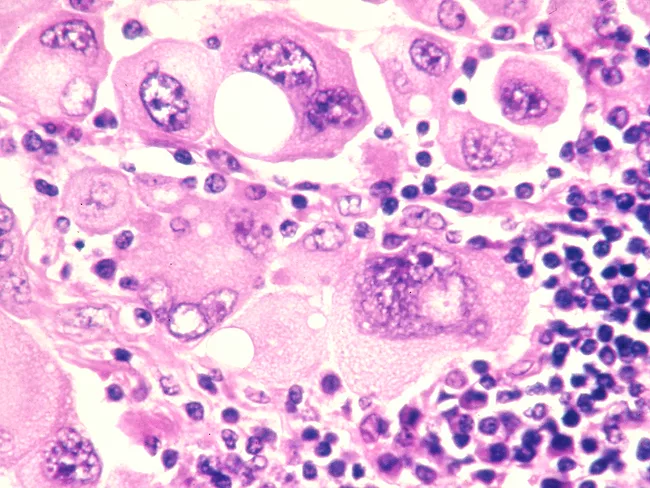
Noul Co. Ltd.’s Micro-Intelligent Laboratory, an artificial intelligence-powered diagnostic system, demonstrated superiority over microscopic diagnosis for malaria in a study presented at the 2024 International Congress for Tropical Medicine and Malaria.
Australia is the skin cancer capital of the world, but with a shortage of dermatologists, patients often wait too long to get skin checks that could end up costing them their lives.
Australia’s Health Department has released the final report of the Health Technology Assessment (HTA) Review that makes 50 recommendations for improving access to new health technologies while tackling inequity, simplifying HTA processes and making it easier for consumers and clinicians to participate.
With an eye on shutting down national security threats and securing American innovation, the U.S. House overwhelmingly passed the Biosecure Act Sept. 9 with a vote of 306-81. The next stop on the bill’s path to enactment is a Senate vote and, if it gets that, then on to the president’s desk.
 RSS
RSS