In vitro diagnostic (IVD) company Virtue Diagnostics (Suzhou) Co. Ltd. has raised $100 million in a series B round to develop its clinical diagnostics and bring them to other markets. “With the latest funding, Virtue Diagnostics will hire talent, introduce technology, and expand to other markets,” said Johnson Zhang, CEO of Virtue Diagnostics.
A homegrown company in Pakistan has developed a multi-grip bionic arm that aims to mimic the movement of real limbs while costing a fraction of what prosthetic arms normally cost. Anas Niaz and Ovais Qurshi founded Karachi-based Bioniks Pte. Ltd. in 2018 to developed efficient and low-cost robotic prosthetic limbs.
In a recent study, investigators led by Tony Tiganis at Monash University, Australia have identified that upregulation of the enzyme NOX4 (NADPH oxidase 4) boosted levels of reactive oxygen species and protected development of insulin resistance in both aged as well as obese mice.
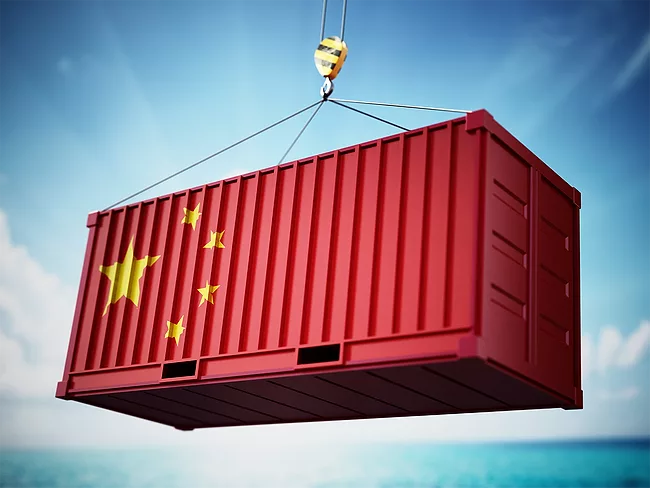
China’s med-tech products exports declined in 2021 as manufacturing in other countries picked up, while med-tech imports to the country increased. In the first half of 2021, China’s med-tech exports amounted to $47.931 billion, a decrease of 23.1% year-on-year. But imports for the same period amounted to $24.392 billion, an increase of 25.2% year-on-year, according to med-tech data company Guangzhou Joinchain Big Data Technology Co. Ltd.
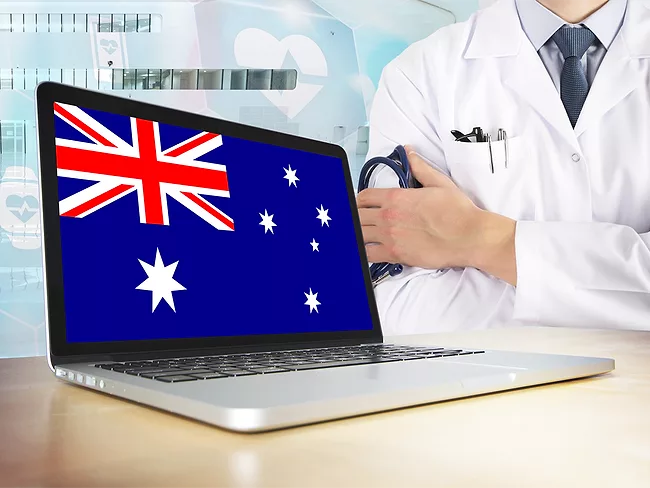
PERTH, Australia – Australia’s Therapeutic Goods Administration (TGA) has undertaken a massive effort to reform its drug and device regulations, and as it pulls into the homestretch with those reforms, it is setting its sights to postmarketing efforts that include adverse event reporting, conformity assessments, patient-reported outcomes and a universal device identifier program.
PERTH, Australia – Australia should be at the front of the line among developed nations when it comes to innovative drugs and devices, but health policies must evolve to respond to changes in technology and global trends, Johnson & Johnson (J&J) said. Although Australia’s health policy has served the country well, tensions in the system are becoming seismic shifts that mirror international trends, J&J said in a recent report on Australia’s health system.
PERTH, Australia – Australian digital health company Resapp Health Ltd. received clearance from Australia’s Therapeutics Good Administration and CE mark certification in the EU for its stand-alone cough counter application that tracks cough frequency using a smartphone. The class I software as a medical device is the first regulatory approval for such an application, which uses Resapp’s machine learning algorithms to identify cough events from audio recorded using the smartphone’s in-built microphone.
India’s Department of Pharmaceuticals (DOD) released draft guidelines to boost research and development in its pharmaceutical and medical device industries. The document touched on the reasons for a dedicated R&D and innovation policy, which involved reducing import dependence, increasing the speed of biologic and biosimilar development cycles, and tackling infrastructural challenges.
PERTH, Australia – Inventia Life Science Pty. Ltd. closed a A$35m (US$25 million) series B round that will see the company bring its Rastrum 3D cell culture platform to the U.S. market. The technology can “revolutionize the way drug discovery is done,” Inventia Founder and CEO Julio Ribeiro told BioWorld.
Nec Corp. has inked a global partnership agreement with Bostongene Corp. that will bring the latter’s Bostongene Tumor Portrait Tests to Japanese patients. Japan is the first market outside of the U.S. for the tests, according to the companies.
 RSS
RSS