Vuno Inc. received approval from South Korea’s Ministry of Food and Drug Safety (MFDS) for Vuno Med Deepcars, its artificial intelligence (AI) medical device for cardiac arrest prediction. Approval in hand, Seoul-based Vuno will push for wider adoption of its biosignal-based AI technology. Vuno Med Deepcars predicts the probability of cardiac arrest occurring within a 24-hour period by analyzing a patient’s pulse, respiratory rate, diastolic and systolic blood pressure as well as body temperature. The data is collected from the electronic medical record of hospitalized patients.
China’s ongoing efforts to tighten regulations across the board is hitting medical device companies. Two companies that issued shares in Hong Kong for the first time over the past week saw their shares tumble right out of the gate. Acotec Scientific Holdings Ltd. (HK: 6669) shares fell more than 25% on their first trading day on the Hong Kong Stock Exchange on Aug. 24 amid regulatory changes in China’s health care industry.
The use of voice recognition systems based on artificial intelligence (AI) in health care is emerging in India, which offers a potentially enormous market, according to Scribetech Healthcare (India) Pvt. Ltd., one of the leading voice recognition companies in the country.
PERTH, Australia – Cardiovascular medical device company Venstramedical Ltd. has raised $2 million in seed funding to support development of a small catheter-inserted collapsible heart pump. The Sydney-based company is aiming to develop devices that provide cardiac support for failing hearts without the use of surgery, Venstramedical co-founder and CEO Martin Cook told BioWorld.
Shanghai Heartcare Medical Technology Co. Ltd. shares took a hard fall in their Aug. 20 debut on the Hong Kong Stock Exchange (HKSE), closing at HK$129 (US$107.47) after tumbling all the way down to HK$127.8 earlier in the day.
Cadila Healthcare Ltd. (also known as Zydus Cadila) has received emergency use authorization (EUA) in India for Zycov-D, making it the world’s first plasmid DNA vaccine for COVID-19. Besides the adult population, the Drug Controller General of India’s nod has also given the South Asian country its first COVID-19 vaccine for adolescents ages 12 to 18.
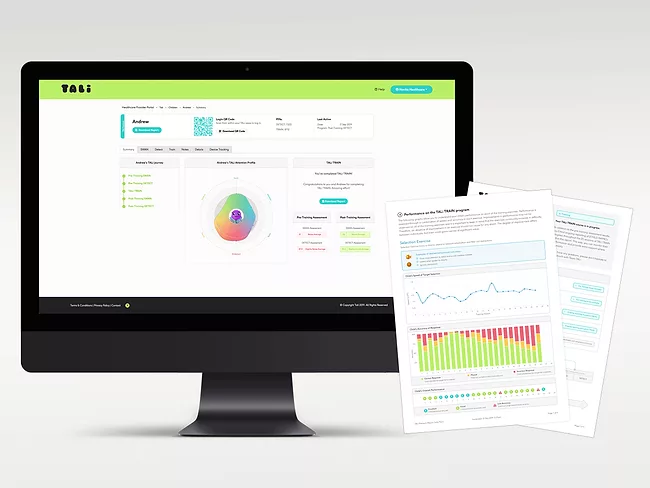
PERTH, Australia – Tali Digital Ltd. inked a licensing deal worth A$51 million (US$37.5 million) for its new digital therapeutic that could be the first line in early intervention to treat the underlying conditions of attention deficit disorders. Akili Interactive Labs Inc. will hold an ongoing license to Tali’s technology to become the exclusive commercialization partner for all pediatric cognition products in the U.S.
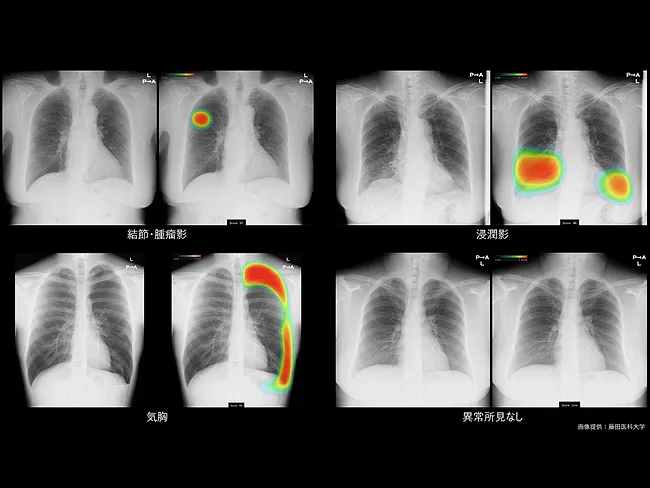
Fujifilm Holdings Corp. has bagged the Japanese Pharmaceuticals and Medical Devices Agency (PMDA)’s approval for CXR-AID, its artificial intelligence (AI) powered chest X-ray analysis system developed in collaboration with Lunit Inc.
PERTH, Australia – Australia’s Therapeutic Goods Administration (TGA) is warning device manufacturers that new regulations for software-based medical devices may have changed the classification of devices currently on the market, and these devices will need to be re-registered if they are to stay on the market.
PERTH, Australia – Australia’s Therapeutic Goods Administration (TGA) has cleared Speedx Pty Ltd.’s PlexPCR SARS-CoV-2 test, which detects all current circulating variants of the SARS-CoV-2 virus at a time when most of the country is in lockdown as the delta variant circulates.
 RSS
RSS