Nec Corp. is branching out into new health care and life science businesses, which will make use of artificial intelligence (AI) and other digital technologies. It is targeting a business value of ¥500 billion (US$4.56 billion) for these new areas by 2030. “Nec already announced this in our Mid-term Management Plan 2025 and is creating this health care and life sciences business to help drive future growth. As to why we chose 2030, it relates back to our Nec 2030VISION outlined in the plan,” an Nec spokesperson told BioWorld.
The COVID-19 pandemic is still swirling about, and rapid antigen tests are still playing a vital role in pushing back against the COVID-19 pandemic, and Australia’s TGA has responded with a guidance on when software used with rapid antigen tests qualifies as a regulated device. The TGA has classified such software as a class 3 device when used with a rapid antigen self-test, thus requiring a separate regulatory application before it can be eligible for entry in the Australian Register of Therapeutic Goods (ARTG).
PERTH, Australia – Changes to Australia’s medical device requirements have resulted in certain devices no longer requiring TGA conformity assessment certification, including class IV in vitro diagnostics (IVDs). As of July 23, 2021, devices that contain drugs or materials of animal, microbial, recombinant or human origin no longer require mandatory TGA conformity assessment certification. Instead, sponsors of these devices will be able to provide conformity assessment documents issued by notified bodies designated by a European Union member state to support their applications on the Australian Register of Therapeutic Goods (ARTG).
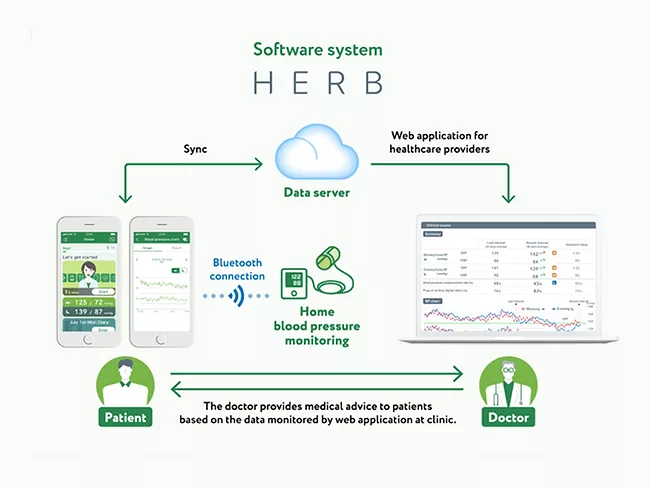
Cureapp Inc. is ready to take the next step for its digital therapeutic app (DTA) for hypertension, after completing a late-stage clinical trial and publishing the results. The company said it is the first global trial for a therapeutic app, conducted to seek regulatory approval in the field of hypertension.
The med-tech market in China has lured many device makers and investors into doing business there despite concerns about intellectual property (IP) theft. While some of those IP theft worries have eased, China’s National Medical Products Administration (NMPA) is still implementing an order that came into force June 1, creating an environment of massive regulatory uncertainty that will force device makers to navigate carefully when attempting to access the world’s largest med-tech market.
Lunit Inc. won an innovative medical device designation from South Korea’s Ministry of Food and Drug Safety (MFDS). The designation was for Lunit Insight MMG, its commercial artificial intelligence (AI) solution for breast cancer detection from mammography images. The company said that Lunit Insight MMG is now the first medical device of its type to receive the designation, and the company now has its second innovative medical device designation. “All of our commercialized products are now designated innovative medical devices by the MFDS. We will ensure that our Lunit Insight AI products allow medical staff to rapidly and accurately diagnose patients,” said Beomseok Suh, CEO at Lunit.
PARIS – Researchers at the Institute for Surface Technologies and Photonics in Weiz, Austria, and the Institute of Scientific and Industrial Research Osaka University, Japan, have invented new ultra-flexible health monitoring patches that use harvested bio-mechanical energy. “These new devices represent a wireless e-health patch for accurate pulse and blood pressure monitoring,” Andreas Petritz, from the Institute for Surface Technologies and Photonics (the materials research unit of Joanneum Research FmbH), told BioWorld.
A comprehensive nontargeted metabolomics analysis has revealed previously unknown classes of disease-linked metabolites in whole blood samples from dementia patients, which may have significant therapeutic implications for managing the untreatable common cognitive disorder.
The Tokyo University of Science (TUS) has developed a self-powered diaper biosensor that can monitor urine sugar levels, which could be a boon for both diabetic patients and their caregivers. Caregivers at nursing homes currently open patients’ diapers every few hours to check for urination, thus increasing the caregivers’ workload. The psychological impact on the patient is also increased, for example when their sleep is disturbed.
Robotic technologies company Stereotaxis Inc. is scaling up its footprint in the Chinese med-tech market, with a deal to commercialize its robotic technology for heart rhythm therapy in China with Shanghai Microport EP Medtech Co. Ltd. The St. Louis-based Stereotaxis aims to introduce a second-generation robot called Genesis to the Chinese market that uses a magnetic navigation technology to treat heart rhythm disorders. Its partner, Shanghai Microport EP Medtech, is a division of one of China's largest med-tech manufacturers, Shanghai-based Microport Scientific Corp.
 RSS
RSS