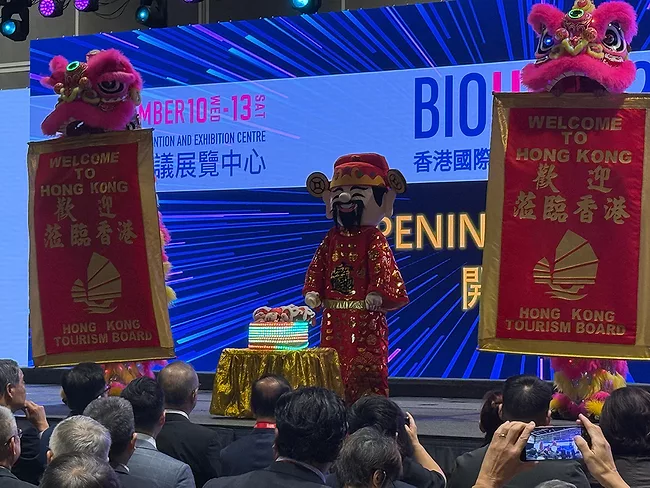
Artificial intelligence is no longer just a supporting tool in biotechnology – it is beginning to define the way drugs are discovered, tested and advanced into the clinic, speakers said during the Bio Hong Kong conference Sept. 10 to 13.
The Hong Kong biotech sector saw record growth this year, expanding 13%, fueled largely by investment in innovation ranging from CRISPR gene editing tools, cell therapies and artificial intelligence in drug discovery, speakers at the BIO Hong Kong conference said Sept. 10.
China was already making strides to lead the biotechnology industry in many key areas such as cell therapies and AI, but the chaotic nature of the Trump administration and the turmoil in the U.S. has catapulted China’s status as a more “dependable” partner, presenters said during the Bio Hong Kong conference, Sept. 10 to 13.
“The comment I hear a lot from scientists … is that science has no borders,” Arif Noorani, partner at Sidley Austin LLP, said while addressing the panel audience at Asia Bio 2025 in Singapore. “I agree, but the reality is, we do have a lot of borders.”
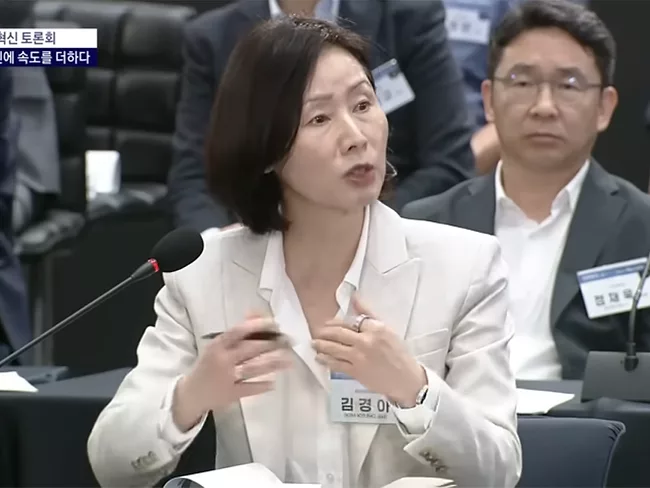
South Korea’s Ministry of Food and Drug Safety announced Sept. 12 plans to significantly raise drug application fees for biosimilars but slash their review times starting next year.
CSL Ltd. inked a potential $2.1 billion deal with Dutch biotech company Varmx BV to develop VMX-C001 as a new treatment to restore blood coagulation in patients taking a factor Xa inhibitor.
South Korea’s Ministry of Food and Drug Safety announced Sept. 12 plans to significantly raise drug application fees for biosimilars but slash their review times starting next year.
Artificial intelligence is no longer just a supporting tool in biotechnology – it is beginning to define the way drugs are discovered, tested and advanced into the clinic, speakers said during the Bio Hong Kong conference Sept. 10 to 13.
China was already making strides to lead the biotechnology industry in many key areas such as cell therapies and AI, but the chaotic nature of the Trump administration and the turmoil in the U.S. has catapulted China’s status as a more “dependable” partner, presenters said during the Bio Hong Kong conference, Sept. 10 to 13.
The Hong Kong biotech sector saw record growth this year, expanding 13%, fueled largely by investment in innovation ranging from CRISPR gene editing tools, cell therapies and artificial intelligence in drug discovery, speakers at the BIO Hong Kong conference said Sept. 10.
 RSS
RSS