South Korea’s pharmaceutical exports rose nearly 18% year-on-year to reach $2.56 billion in the first quarter (Q1) this year, according to the Korea Health Industry Development Institute. Medical device exports, however, dropped about 5% in Q1 2025 to $1.39 billion, attributed to a drop in trade of implant products to both China and the U.S.
Aribio Co. Ltd. signed a $600 million license deal with Acino International AG, an Arcera Life Sciences subsidiary, granting the latter commercial rights to its oral Alzheimer’s disease therapy, AR-1001, in select countries including the Middle East.
Australia’s Therapeutic Goods Administration initiated court proceedings against Philips Electronics Australia Ltd. over sound abatement foam used in CPAP machines marketed under the Respironics brand.
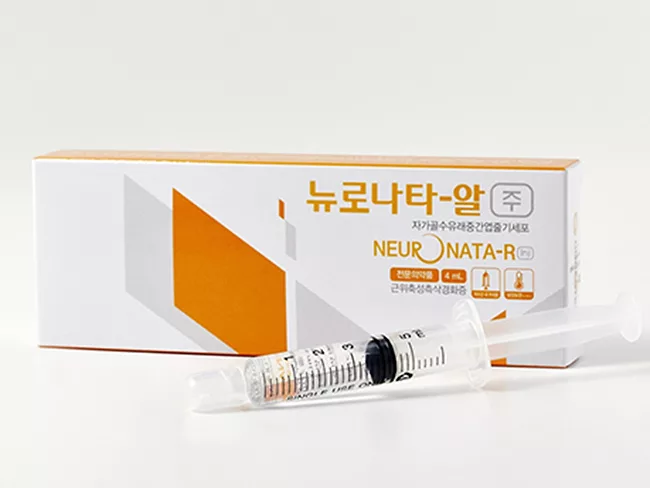
Corestemchemon Inc. is planning to file a BLA for Neuronata-R (lenzumestrocel) by the end of 2025 to gain accelerated approval from the U.S. FDA, company officials confirmed to BioWorld during a June 2 interview. Neuronata-R is an autologous bone marrow-derived mesenchymal stem cell therapy that first gained approval in South Korea in 2014 to delay the progression of amyotrophic lateral sclerosis (ALS), a progressive neurodegenerative disorder also known as Lou Gehrig’s disease.
Microneedle technology could help simplify vaccine delivery to better support global immunization efforts, and Australia is leading the way in this innovative technology.
Ligachem Biosciences Inc. signed two license agreements with Novarock Biotherapeutics Inc., a subsidiary of CSPC Pharmaceutical Group Ltd., to bring in two of Novarock’s antibodies and create antibody-drug conjugate (ADC) candidates with novel cancer targets.
Ascletis Pharma Inc.’s once-daily oral fatty acid synthase inhibitor, denifanstat, demonstrated statistically significant and clinically meaningful improvements compared to placebo, meeting all primary and secondary endpoints in a phase III trial for moderate to severe acne vulgaris.
South Korea’s pharmaceutical exports rose nearly 18% year-on-year to reach $2.56 billion in the first quarter (Q1) this year, according to the Korea Health Industry Development Institute. Medical device exports, however, dropped about 5% in Q1 2025 to $1.39 billion, attributed to a drop in trade of implant products to both China and the U.S.
Dizal (Jiangsu) Pharmaceutical Co. Ltd.’s LYN/BTK dual inhibitor, DZD-8586, saw tumor shrinkage in 94.1% of patients with relapsed or refractory chronic lymphocytic leukemia/small lymphocytic lymphoma following Bruton's tyrosine kinase inhibitors, the company reported during an oral presentation at the American Society of Clinical Oncology (ASCO) 2025 conference.
A research team led by consultant and orthopedic surgeon Glen Liau Zi Qiang from Alexandra Hospital in Singapore developed a new AI algorithm to improve the accuracy and efficiency of robotic total knee arthroplasty (rTKA) surgery.
 RSS
RSS