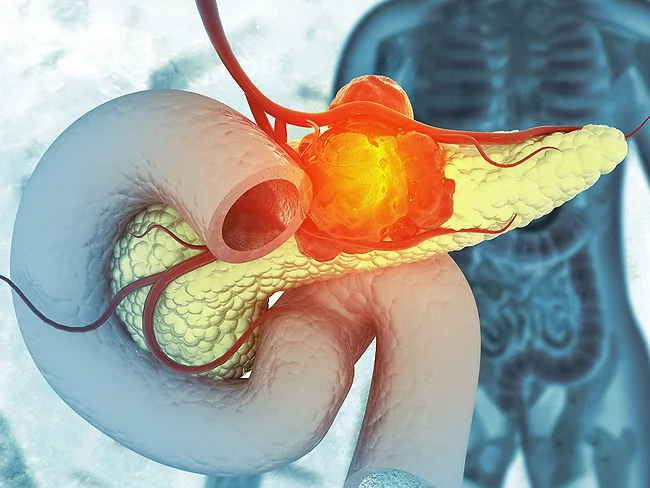
Histosonics Inc. signed an exclusive distribution agreement with Gunze Medical Ltd. to bring its novel histotripsy-based therapeutic model, the Edison System, to Japan. The strategic alliance with Gunze Medical, a wholly owned subsidiary of Osaka, Japan-based Gunze Ltd., paves a figurative runway for Histosonics to introduce its Edison platform in Japan — one of Asia’s largest medical device markets.
Japan’s investor community is ramping up both inbound and outbound investment to create a cross-border fertile hub of innovation in Japan, investors said during a panel discussion at Bio Japan 2025 held in Yokohama Oct. 8 to 10.
Bio Japan 2025 was abuzz with the news that Japan has once again snagged the Nobel Prize in Physiology or Medicine, with Shimon Sakaguchi winning for his discovery of a subtype of CD4-expressing T cells that affect the immune response. Earlier today, Susumu Kitagawa snatched the second Nobel Prize for Japan, this time in chemistry. Both Nobel Prize winners were professors at Kyoto University.
In a deal that could top $2 billion, China-based Innocare Pharma Ltd. licensed the exclusive worldwide development and commercialization rights to the BTK inhibitor orelabrutinib to Zenas Biopharma Inc. for multiple sclerosis and other indications aside from oncology.
Astellas Pharma Inc. reported Oct. 14 that its CLDN18.2-targeting monoclonal antibody, zolbetuximab (Vyloy), did not meet the primary endpoint of overall survival in the phase II Gleam trial of patients with advanced pancreatic cancer.
Japan is reimagining how mental health care can be delivered digitally and proactively, with local governments investing in digital technology to create data-driven safety nets that aim to detect distress and deliver help, presenters said during the Bio Japan 2025 conference in Yokohama, Oct. 8 to 10.
Pomdoctor Ltd. raised $20 million through a Nasdaq IPO on Oct. 8, with the funds geared to expand its mobile health platform for chronic diseases in China.
ARC (Accelerate, Redesign, Collaborate), the innovation arm of Israel’s Sheba Medical Center is looking to use the principles of gaming and simulation to create smarter, more scalable solutions that will benefit both patients and providers.
Japan’s investor community is ramping up both inbound and outbound investment to create a cross-border fertile hub of innovation in Japan, investors said during a panel discussion at Bio Japan 2025 held in Yokohama Oct. 8 to 10.
Bio Japan 2025 was abuzz with the news that Japan has once again snagged the Nobel Prize in Physiology or Medicine, with Shimon Sakaguchi winning for his discovery of a subtype of CD4-expressing T cells that affect the immune response. Earlier today, Susumu Kitagawa snatched the second Nobel Prize for Japan, this time in chemistry. Both Nobel Prize winners were professors at Kyoto University.
 RSS
RSS