Venus Medtech (Hangzhou) Inc.’s Venusp-Valve, a transcatheter pulmonic valve replacement (TPVR) system, has gained the CE mark in Europe. The system is used to treat moderate to severe pulmonary regurgitation with or without right ventricular outflow tract stenosis. The TPVR provides an alternative for those not eligible for open-chest operations because of the risks such as large trauma, and slow recovery, a spokesperson of Venus Medtech told BioWorld.
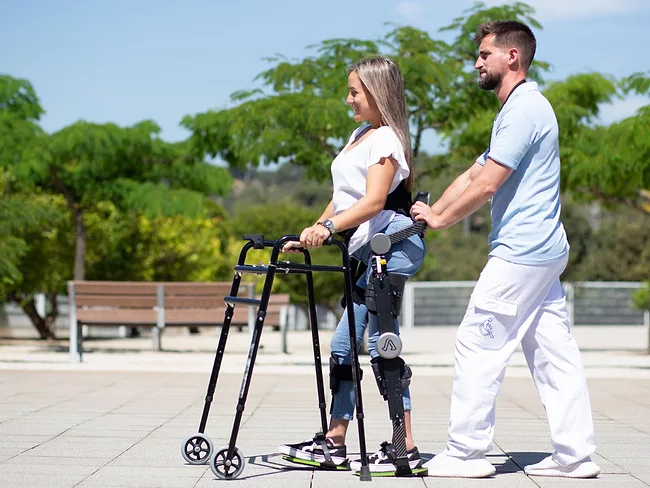
The rehabilitation robot market will soon have a new entrant as Able Human Motion SL prepares to launch a next-generation robotic exoskeleton. The Universitat Politècnica de Catalunya spin-off is on a mission to shake up the exoskeleton technology market with a low-cost, lightweight model that can be accessed by anyone with mobility impairments.
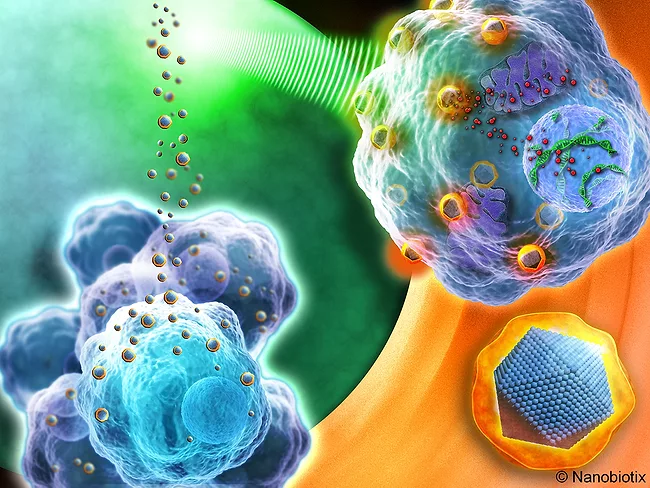
Nanobiotix SA has just presented new data from an open-label preclinical study evaluating the action of its nanoparticle-enhanced radiotherapy, NBTXR3, with the triple blockade of PD-1, LAG-3, and TIGIT on mice carrying cancerous cells. PD-1, LAG-3 and TIGIT are three checkpoint inhibitors which regulate the natural killer cells usually targeted in combination therapy in immuno-oncology.
A research team led by neuroscientists and neurosurgeons from Paris-Saclay University have recently managed to demonstrate that electrical stimulation of the thalamus can restore consciousness when this has been impaired.
Cairdac SAS closed its first funding round, raising nearly $18.5 million to increase development of an autonomous, leadless pacemaker transcatheter system (ALPS) powered entirely using kinetic energy from the heart. Five French private equity funds and banks participated in this series A round.
The German Medical Technology Association, BVMed, and the French medical technology industries association, SNITEM, have issued a joint warning highlighting the risk of collapse in patient care throughout the EU.
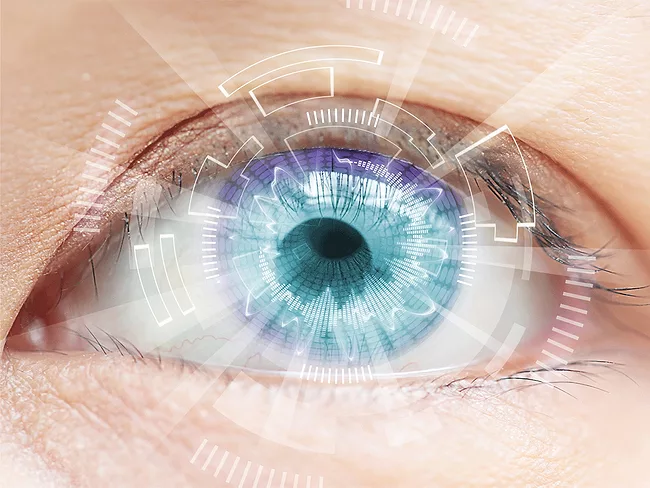
Meduni Vienna, the Medical University of Vienna, Austria, is working on a novel eye scanner combining the structural and functional sensitivity of optical coherence tomography (OCT) with the chemical specificity of Raman spectroscopy, to acquire data from the living human eye.
C2i Genomics Inc. reported the formal launch of its C2inform minimal residual disease diagnostic across Europe, after obtaining CE marking for the cancer test. The Cambridge, Mass.-based company also has completed several clinical trials it ran with research partners to validate the technology and will be presenting data in different cancers at the American Association for Cancer Research in New Orleans, April 8-13.
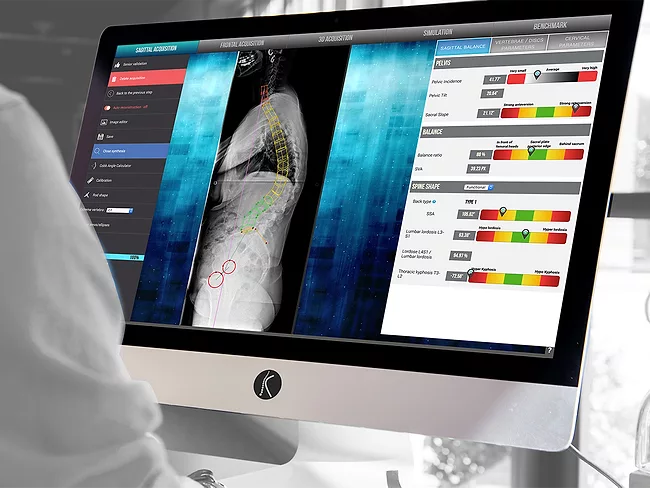
Software Machines and Adaptive Implants in Orthopedics (SMAIO) SA raised $10 million on the Paris Euronext Growth market. The offer price was set at $6.66 a share. “Thanks to this IPO, we will now be able to ramp commercial development of our I-Kontrol arthrodesis platform in Europe and secure a foothold in the United States,” Philippe Roussouly, CEO of SMAIO SA, told BioWorld.
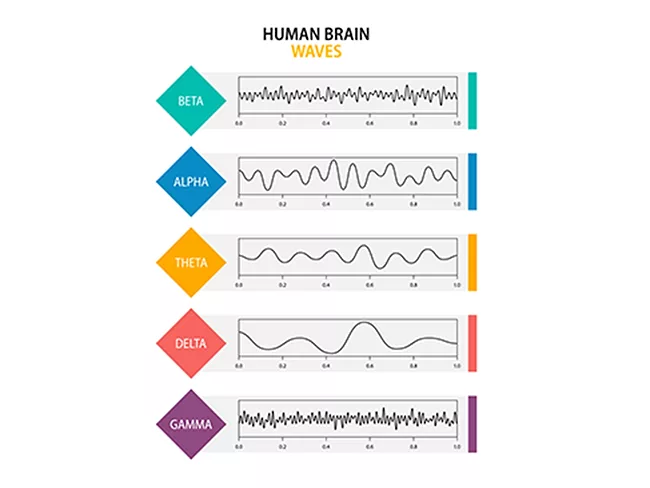
A brainwave biomarker licensed by digital therapeutic startup Empower Therapeutics Inc. showed potential to identify patients with high sensitivity to pain. In a new study carried out by researchers at the University of Birmingham, U.K., the biomarker predicted which patients had a pain score of seven out of 10 or higher (severe pain) following lung surgery.
 RSS
RSS