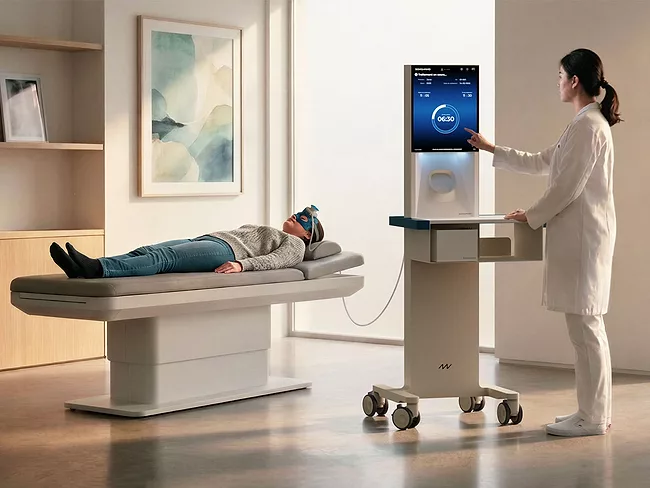
Sonomind SAS raised €20 million (US$23 million) in a series A funding round for its ultrasound-based neuromodulation technology for depression. The funds will be used for clinical trials of the non-invasive device, which uses a custom-made acoustic lens to precisely target deep regions within the brain to bring relief to patients suffering from treatment-resistant depression.
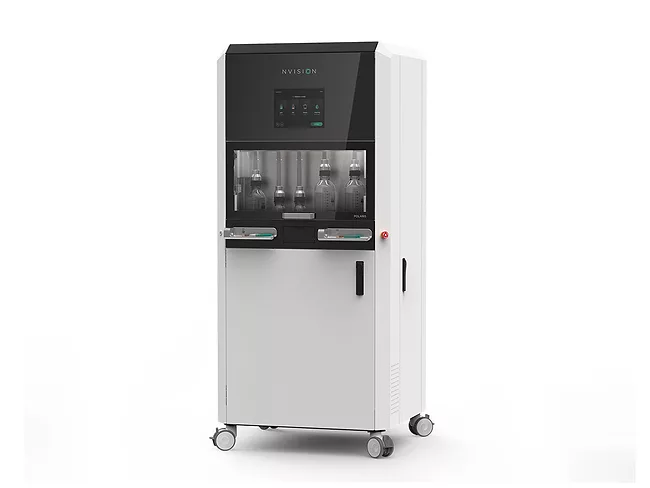
Nvision Imaging Technologies GmbH raised $55 million in a series B financing round led by Abbott Laboratories for its quantum-enhanced sensing platform, Polaris, which uses quantum technology to boost the MRI signal of sugar-based imaging agents to enable real-time measurement of metabolism on standard MRI systems. Sella Brosh, CEO and co-founder of Nvision, told BioWorld that the funds are extremely important as the company is scaling the Polaris systems to many more sites worldwide, which is a capital intensive process.
Roche Holding AG secured CE marking for the Elecsys plasma phosphorylated-tau 217 blood test designed to rule in and rule out amyloid pathology, a hallmark of Alzheimer's disease. Developed with Eli Lilly and Co., the test brings to the market another much-needed solution to help clinicians diagnose Alzheimer’s patients following the FDA approval of Fujirebio Diagnostics Inc.’s blood test last year.
Roche Holding AG has agreed to acquire Pathai Inc. for up to $1.05 billion in a bid to strengthen its position in digital pathology and enhance its biopharma services. The move builds on a partnership established between the two companies in 2021, and expanded in 2024, to include the development of AI-enabled companion diagnostic algorithms.
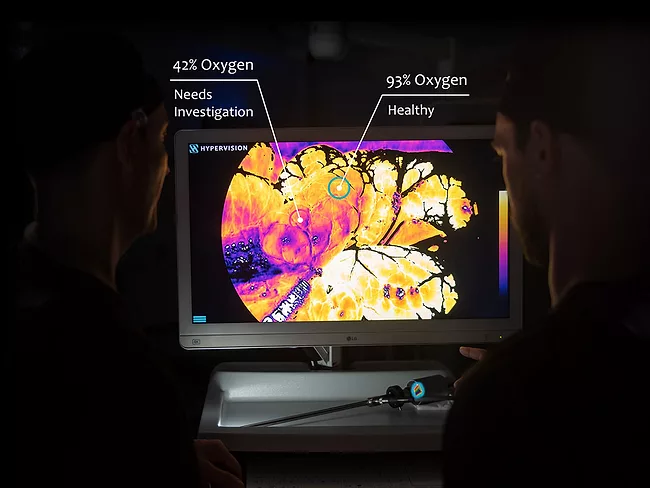
Hypervision Surgical Ltd. raised £17 million (US$23 million) in a series A financing round for its platform technology which combines spectral sensing with cloud-enabled AI analytics, to give surgeons real-time insights into tissue physiology during surgery that were previously impossible to see.
The European Medicines Agency (EMA) has launched a pilot program to fast track breakthrough medical devices in the EU and get lifesaving technologies to patients sooner. The program will allow for companies to obtain scientific advice from the expert panels intended to support evidence generation and clinical development of their devices.
Sun Pharmaceuticals Industries Ltd. will pay $11.75 billion cash to acquire Organon & Co. The transaction is expected to close in early 2027. The addition of Organon’s women’s health products, legacy drug brands and biosimilars are expected to boost Mumbai, India-based Sun’s global reach. The all-cash buy is also expected to relieve Jersey City, N.J.-based Organon of an $8.6 billion debt pile, accumulated after its debt-laden 2021 spinout from Merck & Co. Inc.
Sun Pharmaceuticals Industries Ltd. will pay $11.75 billion cash to acquire Organon & Co. The transaction is expected to close in early 2027. The addition of Organon’s women’s health products, legacy drug brands and biosimilars are expected to boost Mumbai, India-based Sun’s global reach. The all-cash buy is also expected to relieve Jersey City, N.J.-based Organon of an $8.6 billion debt pile, accumulated after its debt-laden 2021 spinout from Merck & Co. Inc.
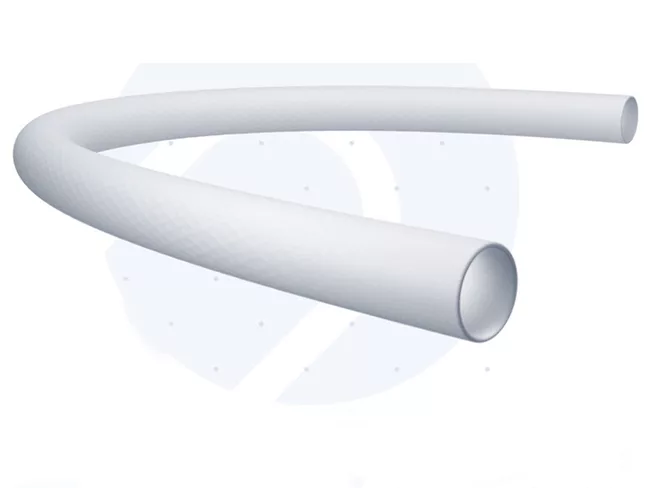
Xeltis BV has secured CE mark approval for Axess, its restorative vascular access conduit for hemodialysis. The company also released 12-month data from its EU pivotal trial on the technology, which showed strong durability outcomes, including 79% secondary patency and a very low patency‑related reintervention rate of 1.3 per patient-year, as well as a substantial reduction in infection burden.
The ability of Ebenbuild GmbH’s digital twin technology to predict the deposition of inhaled drugs across the lungs has been validated in a study published in Nature Communications Medicine. The platform, which combines AI-driven image analysis and physics-based computational modeling, demonstrated strong agreement with in vivo imaging data across multiple inhalation scenarios.
 RSS
RSS