Third-party litigation funding in Europe has created enough of a stir that several trade associations issued a joint statement making the case that the unregulated nature of these funding agreements is increasing the cost of doing business in a region that is already quite expensive.
Epidarex Capital secured more than $145 million in commitments in the first close of its fourth fund to invest in early-stage therapeutics and medical device companies. The new capital will support up to 15 companies, across the U.K. and U.S., which are focused on oncology, cardiovascular, autoimmune and neurological conditions.
Highlife SAS secured CE mark for its transcatheter mitral valve replacement (TMVR) system, bringing a much needed treatment option for patients with limited alternatives. The Highlife TMVR system is indicated for individuals with symptomatic moderate-severe or severe mitral valve regurgitation who are unsuitable for surgical repair or replacement and transcatheter edge-to-edge repair.
Cryoablation for Barrett’s esophagus is something of a novelty, and the U.K. National Institute of Health and Care Excellence is considering an endorsement of the treatment.
Researchers have developed an AI-based wearable device, called Revoice, to help individuals communicate effectively after a stroke. The system, worn around the neck, uses sensors to capture carotid pulse signals and subtle vibrations from throat muscles to reconstruct intended words and sentences in real time, potentially transforming the lives of stroke patients living with dysarthria.
Prenaital ApS has filed a patent for technology that may identify risks of spontaneous pre-term birth. Spontaneous preterm birth (sPTB) is usually defined as birth occurring before 37 weeks of gestation. The invention relates to a method for predicting potential preterm birth from medical scan data, which may be used in practice by medical professionals for risk analysis and prognosis of potential pathologies.
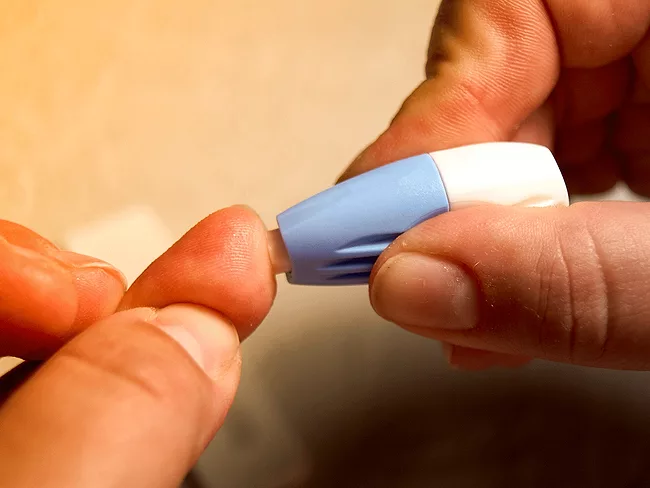
A team of international researchers is investigating whether a finger-prick blood test could be used to help diagnose Alzheimer’s disease before symptoms appear. With current diagnostic methods relying on expensive brain scans and invasive lumbar punctures, the trial is exploring whether the simple test could offer a faster, cheaper, and more accessible route to identifying the disease.
The European Commission recently published the results of a study of the impact of the EU regulatory environment, which confirmed the worst fears of some observers about the situation in the EU. The report said that the associated challenges are prompting small and medium companies to pull at least one product out of inventory for the EU market, with some companies abandoning the EU altogether.
Boston Scientific Corp.’s intent to acquire Penumbra Inc. for $14.5 billion will not only allow it to expand its minimal invasive care portfolio in areas such as embolization and peripheral vascular disease, but to also reenter the neurovascular space, Kathleen Van Vlierberghe, vice president of Peripheral Interventions EMEA, told BioWorld.
The U.K.’s National Institute for Health and Care Excellence is revisiting its policy for osteoporosis and may recommend that clinicians include vertebral fracture assessment with dual energy X-ray absorptiometry procedures.
 RSS
RSS