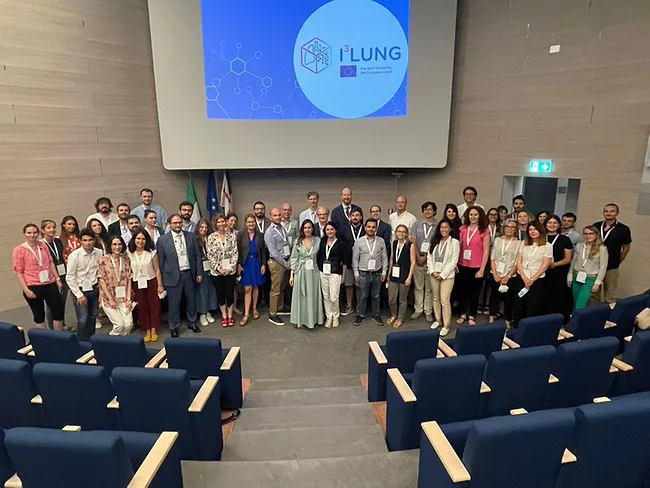
The European Commission launched a new research initiative with $10 million from Horizon Europe, the E.U.’s research and innovation program, to create a cutting-edge decision-making tool to help clinicians and patients select the best lung cancer treatment based on each patient’s specific needs and circumstances. The I3Lung initiative brings together 16 international partners from Germany, Belgium, Denmark, Italy Sweden, Switzerland, the U.S. and Israel.
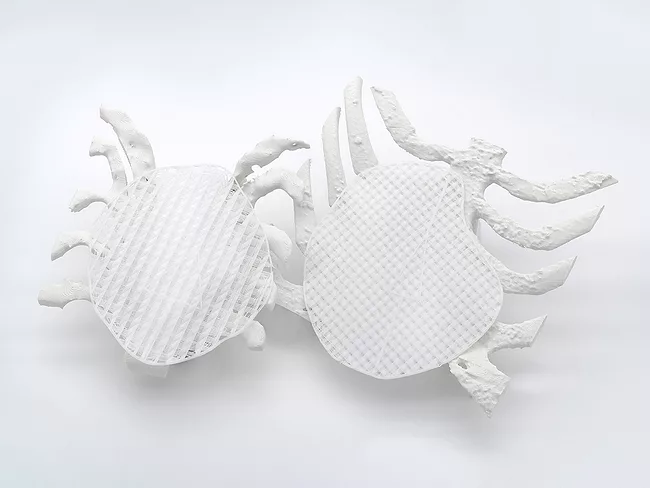
Bellaseno GmbH began recruiting patients in Australia for two clinical trials of its resorbable breast scaffold products on Aug. 4. The company expects to enroll 10 patients with pectus excavatum, a structural deformity of the chest in which the breastbone presses inwards.
Bio-Rad Laboratories Inc. signed a $170 million deal to acquire all the outstanding shares of molecular diagnostics subsidiary Curiosity Diagnostics SpZoo from Scope Fluidics SA. The deal consists of approximately $100 million in cash and up to $70 million in future milestone payments. The pre-commercial platform company is the developer of a CE-marked 15-minute point-of-care (POC) rapid PCR system which tests for SARS-CoV-2 virus and methicillin-resistant or-sensitive Staphylococcus aureus bacteria (MRSA/MSSA).
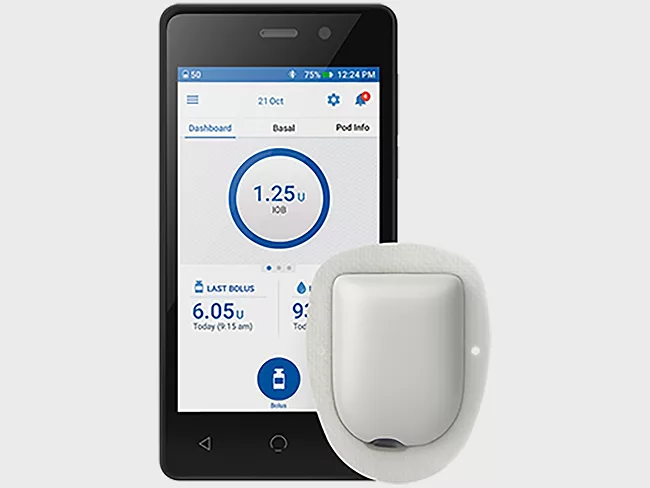
A rash of recent announcements in the diabetes market speak to the brisk pace of developments and keen competition in the field. Dexcom Inc. reported good news in the U.K. and Europe, offset by delays in the U.S., while Insulet Corp. gave investors assurance that it was moving full speed ahead in the release of its Omnipod artificial pancreas system. On the pharma side, Arecor Therapeutics plc signed a contingent agreement to acquire Tetris Pharma Ltd. and commercialize Ogluo in the U.K., E.U. and other countries.
The U.K.’s National Institute for Health and Care Excellence (NICE) has added two placental growth factor (PIGF)-based tests developed by Perkinelmer Inc. to guidance on diagnosing suspected preterm preeclampsia. The Waltham, Mass.-based company’s kit and Delfia Xpress soluble fms-like tyrosine kinase 1 (sFlt-1) kit are recommended to screen levels of PIGF and Sflt-1, both key biomarkers in the pathophysiology of preeclampsia. The guidance means health care providers across the U.K. will be able to use the test, along with a standard clinical assessment, to confirm suspected preterm preeclampsia in women from 20 weeks of pregnancy onwards.
Institut Mérieux SA is offering equity to a preferred partner via a restricted capital increase. Exor NV has consequently acquired 10% of Institut Mérieux’s capital by investing $850 million. A third of this new funding, some $285 million, will be injected immediately this summer, with the balance following over the coming 12 months.
The U.K. NHS is implementing the use of Oxford, U.K.-based Genincode plc’s predictive genetic test for patients suffering with hypercholesterolemia and familial hypercholesterolemia (FH). The Academic Health Science Network for the North East and North Cumbria (AHSN NENC) is adopting the Lipid Incode test in Darlington following a successful pilot study which demonstrated the test can detect and diagnose people with high cholesterol, a known risk factor for the development of cardiovascular disease (CVD). It is the first commercial polygenic test for CVD to be implemented by the NHS.
Shares in Royal Philips NV fell by almost 10% on July 25 after the company stated that its second quarter Q2 sales deteriorated amid supply shortages and prolonged lockdowns in China. Group sales for Philips amounted to €4.2 billion (US$4.29 billion) in the second quarter of 2022, representing a 7% year on year decline. Management reduced its 2022 outlook to 1%-3% organic sales growth from a previously estimated 3% to 5% growth and said it expects growth of between 6% and 9% for the second half of 2022.
Citing “the current political conditions,” Russian Minister of Health Mikhail Murashko laid out ways for Russia to strengthen its international role in the health care sector, including the development of innovative radiopharmaceuticals. Other promising opportunities involve the improvement of drug provision and an increase in the number of foreign students in Russian medical universities, Murashko said at a July 19 meeting with medical, educational and scientific institutions in Russia.
Since the isolation of SARS-CoV-2 and the study of its infection mechanisms, scientists have been trying to understand how this virus accesses the brain and produces neurological symptoms.
 RSS
RSS