Medtech Europe, the European trade association for the medical technology industry covering diagnostics, medical devices and digital health, released its latest survey. This study analyses the availability of medical devices in 2022 in light of the Medical Devices Regulation (MDR) being implemented.
Integrated Graphene Ltd. is partnering with a team of scientists at the University of Edinburgh to develop a point-of-care biomedical test for liver transplants. The Sensibile project team is working to develop a prototype electrochemical biosensor that can detect biliary complications’ biomarkers in donor livers. Sterling, Scotland-based Integrated Graphene’s 3D graphene foam electrode will help to assess the viability of the biliary compartment, and the quality of the donor liver prior to transplantation.
As biopharma and med-tech companies grapple with restrictive data privacy laws in the EU and China while trying to meet the demand for greater diversity reflective of the U.S. population, there’s been more of an interest in conducting clinical trials in the U.S., Stacy Amin, a partner at Morrison & Foerster LLP, told BioWorld.
The notion of a device that disappears from the human body once its work is done has driven massive investments in bioresorbable coronary artery scaffolds and stents, but these devices have had a difficult time getting to and staying on the market. The U.K. National Institute of Health and Care Excellence determined recently that these devices are not ready for routine use and should be deployed only in clinical trials.
Syncthink Inc. is preparing to launch its neurological impairment and disease diagnostic in Europe, after securing CE marking for the ocular biomarker device. The company is raising a new round of funding to support commercialization of the Eye-Sync system and has two projects exemplifying applications of the device running with academic collaborators in the U.K.
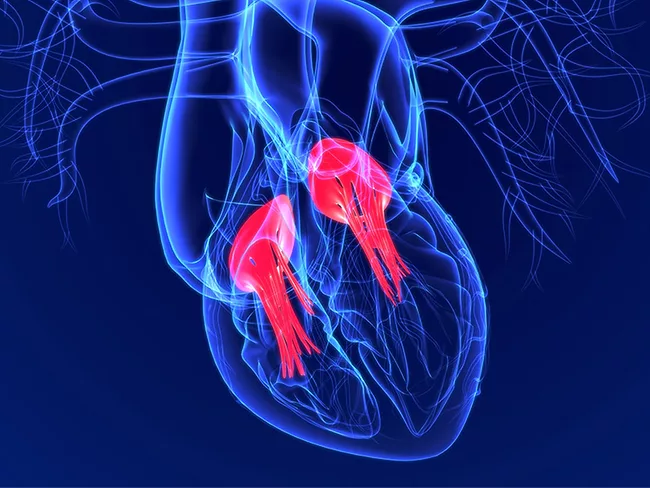
The U.K. National Institute for Health and Care Excellence (NICE) issued a pair of health technology assessments related to regurgitation of the tricuspid valve, one each for valve leaflet repair and for valve annuloplasty.
The largest study to date assessing the use of cell-free DNA (cfDNA) analysis to detect cancer in advance of symptoms has completed enrollment of 140,000 healthy volunteers. The study, being run in the U.K. National Health Service (NHS) by the charity Cancer Research UK (CRUK) and cfDNA diagnostics specialist Grail Inc., is using Grail’s Galleri test to look for cancer-specific methylation patterns in blood.
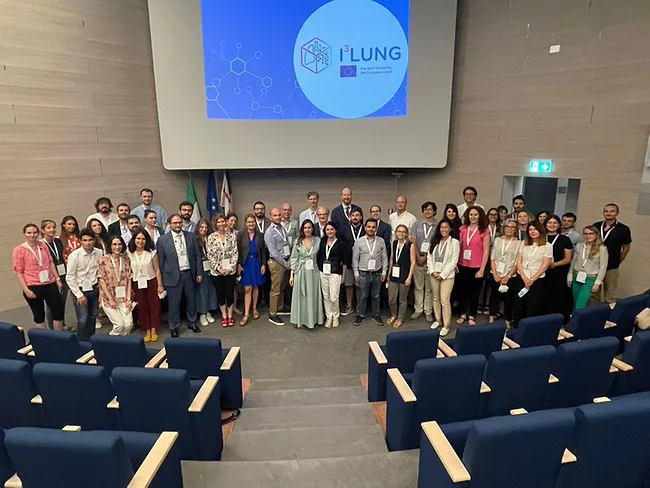
The European Commission launched a new research initiative with $10 million from Horizon Europe, the E.U.’s research and innovation program, to create a cutting-edge decision-making tool to help clinicians and patients select the best lung cancer treatment based on each patient’s specific needs and circumstances. The I3Lung initiative brings together 16 international partners from Germany, Belgium, Denmark, Italy Sweden, Switzerland, the U.S. and Israel.
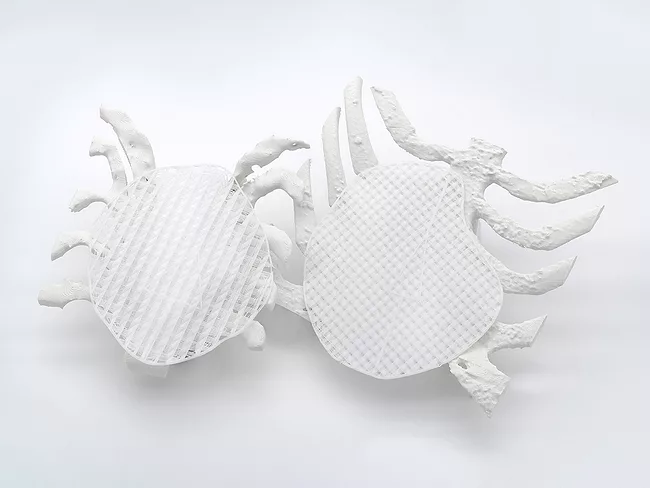
Bellaseno GmbH began recruiting patients in Australia for two clinical trials of its resorbable breast scaffold products on Aug. 4. The company expects to enroll 10 patients with pectus excavatum, a structural deformity of the chest in which the breastbone presses inwards.
Bio-Rad Laboratories Inc. signed a $170 million deal to acquire all the outstanding shares of molecular diagnostics subsidiary Curiosity Diagnostics SpZoo from Scope Fluidics SA. The deal consists of approximately $100 million in cash and up to $70 million in future milestone payments. The pre-commercial platform company is the developer of a CE-marked 15-minute point-of-care (POC) rapid PCR system which tests for SARS-CoV-2 virus and methicillin-resistant or-sensitive Staphylococcus aureus bacteria (MRSA/MSSA).
 RSS
RSS