Astrazeneca plc is investing heavily in China, signing two R&D deals, worth up to about $8 billion in up-front payments and milestones combined, with Chinese companies Harbour Biomed Ltd. and Syneron Bio, establishing a joint venture with Shenzhen Kangtai Biological Products Co. (Biokangtai) for vaccines, and creating a new R&D center in Beijing through another $2.5 billion investment.
The obesity market is driving pharma’s return on investment (ROI) upward, with the projected return rising to 5.9% overall in 2024, but only reaching 3.8% if GLP-1 assets are excluded. At the same time, the average cost of developing a drug continues to rise and now stands at $2.23 billion, compared to $2.12 billion in 2023, according to Deloitte’s 15th annual analysis of the ROI from pharmaceutical innovation.
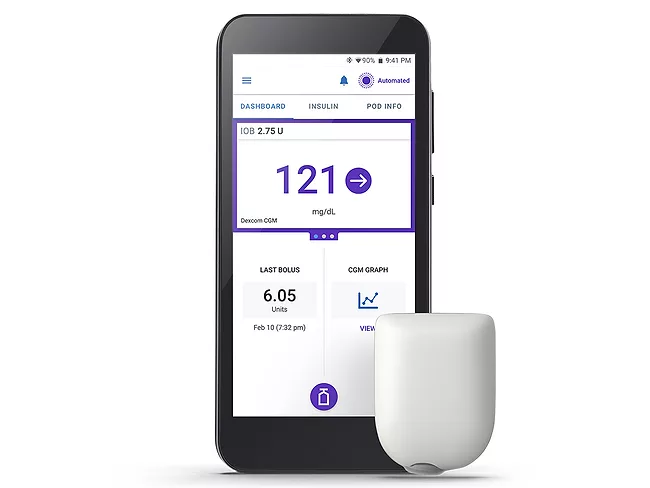
For people with type 1 or type 2 diabetes and the companies developing technologies to help them, the International Conference on Advanced Technologies & Treatments for Diabetes delivered an abundance of good news. On the type 1 diabetes front, Insulet Corp.’s RADIANT study demonstrated massive improvement in time in range as well as lower glycemic levels for patients switching from multiple injections to the Omnipod 5 automated insulin delivery system.
Biomérieux SA recently received U.S. FDA 510(k) clearance for its Vitek Compact Pro, a system for microorganism identification and Antibiotic Susceptibility Testing. The company hopes that the system will help clinical laboratories combat antimicrobial resistance and diagnose infectious diseases as well as support industrial laboratories in identifying contaminants to ensure consumer safety.
Science ministers from 13 countries in Europe are calling on the European Union to offer a home to researchers affected by the Trump Administration’s cuts. They have written to EU research and innovation commissioner Ekaterina Zaharieva asking her to organize a welcome “for brilliant talents from abroad who might suffer from research interference and ill-motivated and brutal funding cuts.”
Eight months after announcing the $18.5 million first tranche of its series A, Augustine Therapeutics has closed the oversubscribed round at $85 million and is now ready to begin clinical development of its novel histone deacetylase-6 (HDAC6) inhibitors.
Astrazeneca plc is investing heavily in China, signing two R&D deals, worth up to about $8 billion in up-front payments and milestones combined, with Chinese companies Harbour Biomed Ltd. and Syneron Bio, establishing a joint venture with Shenzhen Kangtai Biological Products Co. (Biokangtai) for vaccines, and creating a new R&D center in Beijing through another $2.5 billion investment.
Building upon its already impressive obesity drug portfolio, Novo Nordisk A/S has licensed a triple agonist of the receptors for GLP-1, GIP and glucagon from United Biotechnology Co. Ltd. China-based United is getting $200 million up front and the chance to earn up to $1.8 billion in milestone payments. United Biotechnology retains the rights to subcutaneously administered UBT-251, which is in the early stages of development for treating obesity, type 2 diabetes and other diseases, in China, Hong Kong, Macau and Taiwan while Bagsværd, Denmark-headquartered Novo get exclusive rights to develop, manufacture and commercialize the triple agonist receptor across the rest of the world.
Alcon AG plans to acquire Lensar Inc. for up to $430 million in a transaction expected to close in the latter half of the year. The acquisition will add Lensar’s Ally robotic cataract laser treatment system, Streamline software technology and Lensar legacy laser system to Alcon’s cataract surgery portfolio and expand global access to Lensar’s femtosecond laser technology.
Third-party litigation funding (TPLF) has a checkered reputation in the U.S. med-tech industry and the practice has now raised hackles in the European Union as well. The European Commission recently posted a document explaining how EU-wide legislation would map onto member state law, the results of which suggest that any pan-EU legislation would be at best a tricky exercise in policymaking.
 RSS
RSS