Three years on from the rebuff of a U.S. FDA complete response letter, F2G Ltd. now has the data needed to resubmit the NDA for the first novel antifungal drug in more than two decades. Along with partner Shionogi & Co. Ltd., F2G has released positive phase III results for orally administered olorofim, showing noninferiority against I.V.-administered Ambisome (amphotericin B, Gilead Sciences Inc.) in patients with refractory aspergillosis infections, or who were unsuitable for mainstay azole therapy.
Shares of Abcellera Biologics Inc. got a modest boost on news of a preclinical research collaboration with Jazz Pharmaceuticals plc aimed at developing next-generation T-cell engaging multispecific antibodies targeting gastrointestinal cancers and other solid tumors.
HMNC Brain Health GmbH has raised $50 million in the first close of a series B, enabling the company to prepare the way for phase III trials of its two lead programs.
In a little more than a month, 17 big biopharma companies will be subject to U.S. President Donald Trump’s long-promised section 232 global biopharma sector tariff. But instead of paying the 100% duty on imported patented drugs and their key ingredients, most of those companies, if not all, will pay much reduced rates or no tariff at all, based on where the imports are coming from, what type of drug is being imported, and whether the companies have signed onshoring and most-favored-nation pricing agreements with the administration.
Another day, another about-face by the U.S. FDA on Uniqure NV’s Huntington’s disease gene therapy. But this latest shift brings good news for the company’s AMT-130, for which the FDA says three-year analysis data from the phase I/II study will be acceptable for an accelerated BLA filing, now expected to be submitted in the third quarter.
Liability remains one of the biggest barriers to the adoption of AI in healthcare. As more tools get developed for use in clinical settings, a key question persists: Who is ultimately at fault when something goes wrong – the hospital, the clinician or the developer? That uncertainty is making clinicians hesitant to adopt new technologies, delegates heard at the HLTH Europe conference in Amsterdam on June 16.
The EMA’s 2025 annual report highlights the pressure it is under to streamline and simplify assessment processes, and the expanded – and explicit – role the agency now has in boosting the competitive position of the EU in the development and manufacturing of drugs.
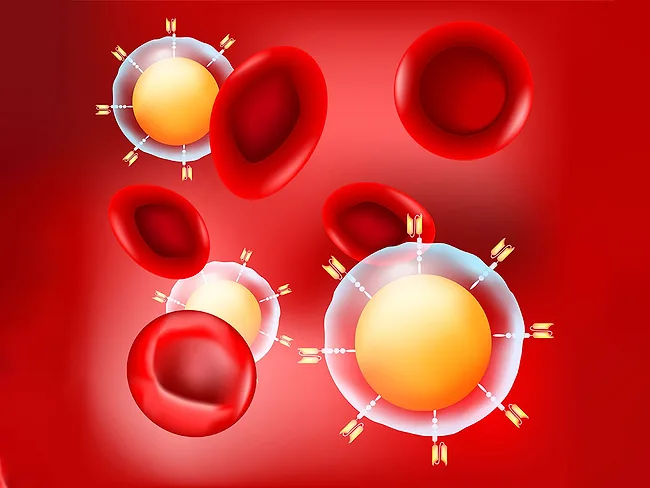
Treatment with first-generation CAR T cells regularly sent patients to the intensive care unit. Now, investigators are envisioning a future where CAR T treatment could occur on an outpatient basis.
Even though children make up a quarter of the population, healthcare technologies are not often designed with them in mind. Investment in pediatric innovation remains limited with investors often viewing returns in the space as less predictable. Nevertheless, a number of companies are looking to address this and are developing technologies for kids. Afterall, with huge investments going into longevity R&D, there is a compelling case for addressing health issues at the very early stage, delegates heard at the first annual Pediatric Innovation Summit, held as part of the HLTH Europe conference in Amsterdam on June 15.
Treatment with first-generation CAR T cells regularly sent patients to the intensive care unit. Now, investigators are envisioning a future where CAR T treatment could occur on an outpatient basis. At Sunday’s late-breaking oral session of the 2026 Annual Congress of the European Hematology Association (EHA2026), Lei Fan told his audience that the first-in-human data “support further development of LB-2501 as a potential first-in-class, off-the-shelf, single infusion, no lymphodepletion, outpatient use CAR T therapy.” Fan is a professor of hematology at the First Affiliated Hospital of Nanjing Medical University.
 RSS
RSS