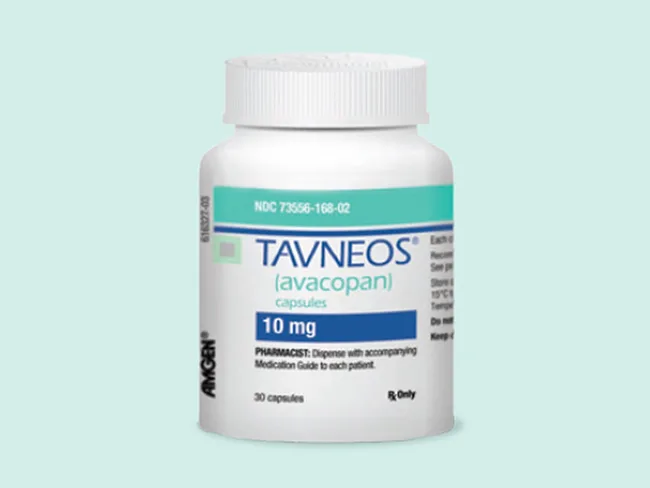
The EMA is recommending withdrawing Amgen Inc.’s complement inhibitor Tavneos (avacopan) from the market in Europe, saying data provided at the time it assessed the MAA “were found to be incorrect and misleading and could no longer be relied upon for demonstrating Tavneos’ effectiveness.”
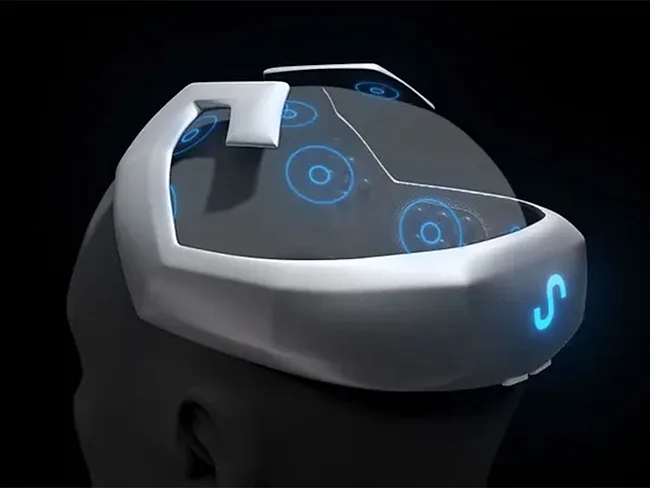
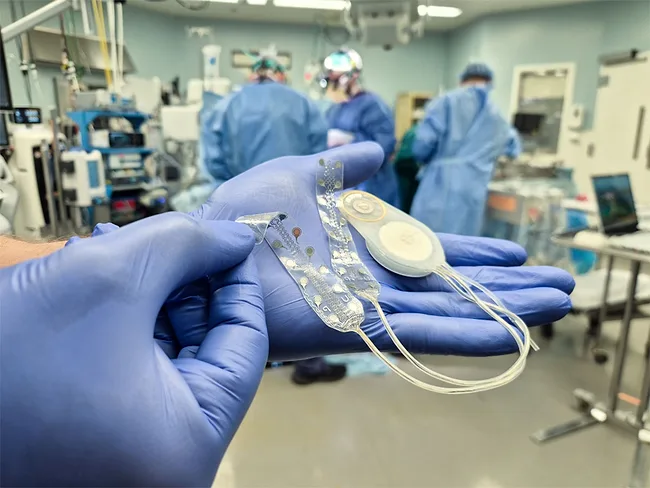
An estimated $2 billion has been invested in the brain-computer interface (BCI) space in the last two years and the level of funding is expected to continue. Investors are betting that a deeper understanding of the brain will allow BCI systems to address the significant unmet need affecting millions of people with neurological disorders. They are also chasing an opportunity where the market for BCIs could reach $400 billion – in the U.S. alone.
Adhesives innovator H.B. Fuller Co. is offering £2.85 per share in cash to buy Advanced Medical Solutions Group plc, expanding its technologies, commercial footprint and manufacturing capabilities across the globe.
Merck KGaA has agreed to buy Bio-Techne Corp. for an enterprise value of approximately $11.3 billion, in a bid to strengthen its life sciences business. The company is offering $73 per share in cash, a 36% premium to Bio-Techne's one-month volume-weighted average trading price, and a 24% premium to the company’s previous close on June 24. The deal will expand Merck’s position in multi-omics, spatial biology, cell and gene therapy, precision diagnostics and advanced research tools.
With the pace of neurotechnology development accelerating, a wave of brain-computer interface (BCI) companies is emerging on the heels of the pioneers. In the latest installment of BioWorld’s series on the BCI field, Rotem Kopel, CEO of Ability Neurotech SA, explains that following in the footsteps of the established players has its advantages. “It's not too bad to be a fast follower to a company like Neuralink.” Ability and its peers are either building more complete systems, or exploring different approaches from electrodes with newer materials to nanoparticles, while addressing technical and clinical challenges identified by earlier entrants and targeting different indications.
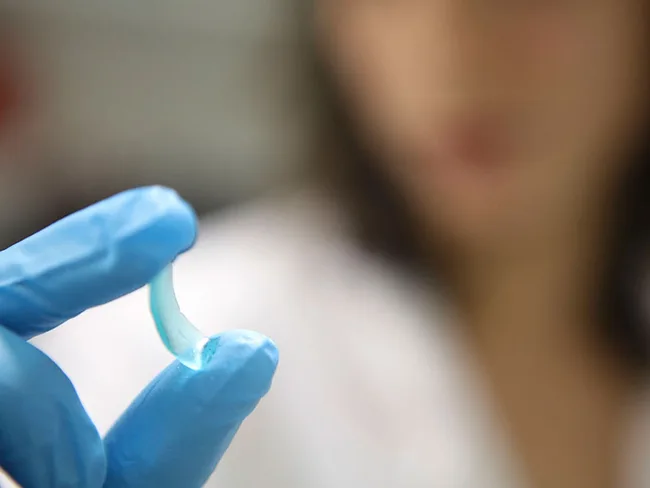
Tissium SA secured €60 million (US$68 million) in a financing package, which includes €30 million in a series D2 round and a €30 million facility from the European Investment Bank. The funds will be used to support the company's commercial and clinical activities, as well as its pipeline development and expansion of its platform technology, which removes the need for sutures and leads to better nerve repair.
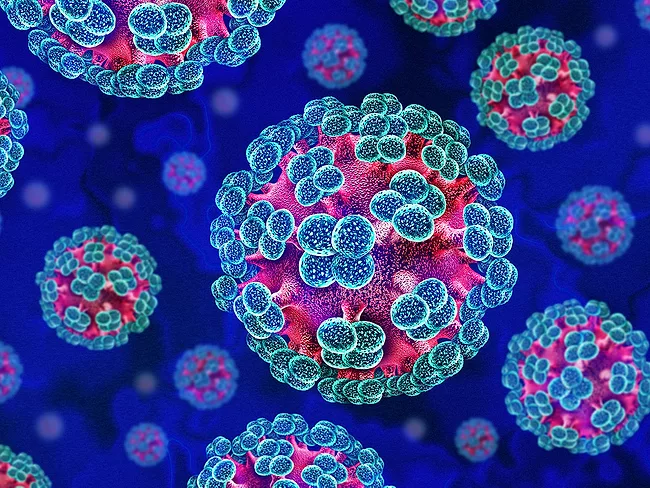
The outbreak of hantavirus infection first reported on the MV Hondius cruise ship on May 2 is all but over, with most isolating passengers, crew members and other contacts leaving quarantine over the past week, as the 42-day incubation period drew to an end.
Antares Therapeutics Inc. drew Novartis AG to the table for a potential $1.9 billion collaboration, including a $105 million up-front payment, to discover small-molecule programs against oncology targets considered to be undruggable. It’s Antares’ first partnership since spinning out of Scorpion Therapeutics Inc. about a year ago.
Eli Lilly and Co. posted $19.8 billion in first-quarter 2026 revenue, driven by tirzepatide, marketed as Mounjaro for type 2 diabetes and Zepbound for obesity. The Indianapolis-based drugmaker is channeling cash flow from these blockbuster GLP-1 drugs into an aggressive dealmaking campaign — about $25.1 billion across 10 announced acquisitions so far this year and more than $26 billion in other closed deals.
The field of BCI is continually evolving; as such, companies are increasingly highlighting the potential of their technologies to transform care. For advanced players, with fully developed BCI systems, the sector is approaching an inflection point as the technology transitions from early feasibility studies into pivotal trials. The focus now for many is on generating the long-term safety, efficacy and real-world usability data needed to support regulatory approval and broader clinical adoption.
 RSS
RSS