As the U.S. House of Representatives resumes work Aug. 23 on a budget reconciliation proposal to get a $3.5 trillion fiscal 2022 budget across the finish line, many lawmakers are looking to provisions to reduce prescription drug prices as a way to pay for increased spending in other health care sectors.
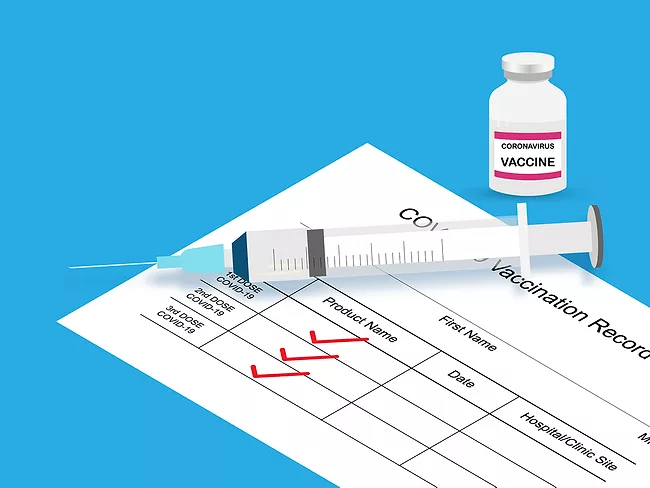
The FDA has granted full approval to Pfizer Inc.’s COVID-19 vaccine in a move that is hoped will convince unvaccinated citizens that the shot is safe and effective. The mRNA vaccine, which will be branded as Comirnaty and was first developed by Germany’s Biontech SE, has been available since Dec. 11 last year under an emergency use authorization (EUA) and is the first to receive the FDA’s full endorsement.
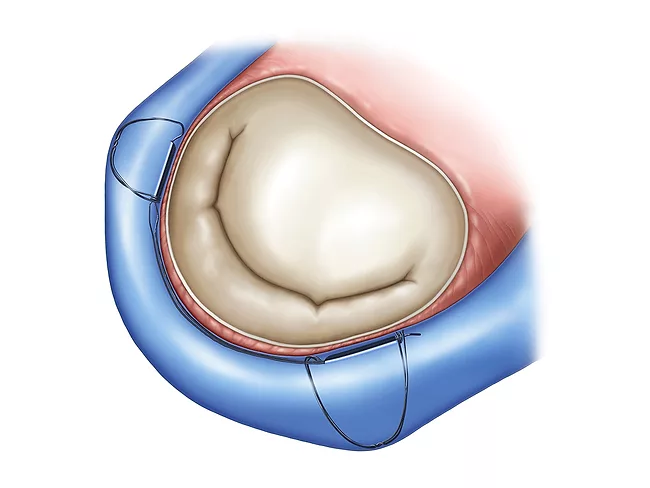
Cardiac Dimensions Inc. launched the Empower trial of its Carillon mitral contour system for the treatment of heart failure patients with early-stage functional mitral regurgitation. The company expects to enroll up to 300 patients at 75 sites in the international, randomized, sham-controlled trial.
The FDA said it has withdrawn the accreditation of Accelerated Device Approval Services LLC (ADAS), of Miami, for making false presentations about one of the company’s employees. Among the allegations are that the company named a reviewer who was never employed by ADAS, and that the company misled a client about the status of a regulatory filing.
The FDA’s emergency use authorization (EUA) program is still active in the area of tests and test kits, which is due in part by the emergence of the Delta variant of the SARS-CoV-2 virus and the associated warnings that the effectiveness of vaccines may be declining. One example of the sustained emphasis on testing is the EUA granted to Thermo Fisher Scientific Inc. for two PCR test kits that can detect the latest variants of the virus, a demonstration that the demand for these updated tests seems unlikely to ebb anytime soon.
Plans for offering COVID-19 vaccine booster shots in the U.S. took a big step forward Aug. 18, as Health and Human Services (HHS) public health and medical experts laid out their intention to offer booster shots across the country for people 18 and older beginning the week of Sept. 20 and starting eight months after an individual's second dose.
The U.S. Supreme Court’s decision in the case of U.S. v. Arthrex might be seen as having fully resolved the interaction between the Appointments Clause and the inter partes review (IPR) process, but there are other controversies brewing, nonetheless. Patent attorney James Lovsin, of McDonnell Boehnen Hulbert & Berghoff LLP (MBHB), said on an Aug. 17 webinar that because the current commissioner of patents is only an acting commissioner, his review of IPRs may also be a violation of the Appointments Clause, thus invoking the possibility that some patent cases will be subject to additional administrative delays.
Abbott Laboratories received FDA approval for its Amplatzer Amulet left atrial appendage occluder to treat people with atrial fibrillation who are at risk of ischemic stroke about a month earlier than generally expected, given the backlog at the FDA. The dual-closure device closes the left atrial appendage during the procedure, reducing the risk of blood clots immediately and eliminating the need for blood thinners both during the healing process and longer term.
The U.S. FDA said the results of a Section 522 postmarket surveillance study of transvaginal mesh devices by Boston Scientific Corp. suggested similar effectiveness and safety outcomes at 36 months compared to native tissue repair. However, the agency said patients with mesh repair for pelvic organ prolapse (POP) are exposed to additional risks, such as mesh exposure and erosion, and thus the agency is disinclined to allow these devices back onto the market.
The U.S. Centers for Medicare & Medicaid Services (CMS) has proposed to drop its national non-coverage policy for pulmonary embolectomy, a procedure for which multiple devices have been cleared or approved by the FDA. Several stakeholders, including more than one med-tech trade association, had requested such a change, and CMS indicated that much more evidence will be needed before it can forge a national coverage policy that would eliminate the impending geographically differentiated patient access.
 RSS
RSS