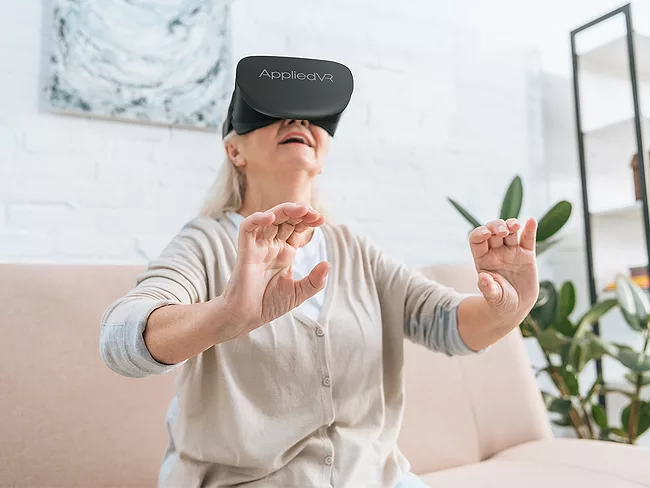
In 2020, Appliedvr Inc. reported results from a three-week proof-of-concept study showing reduction of lower back pain with the use of its Easevrx virtual reality (VR) therapy. Now the company has pivotal data affirming the benefit to patients with chronic low back pain who used Easevrx at home for eight weeks.
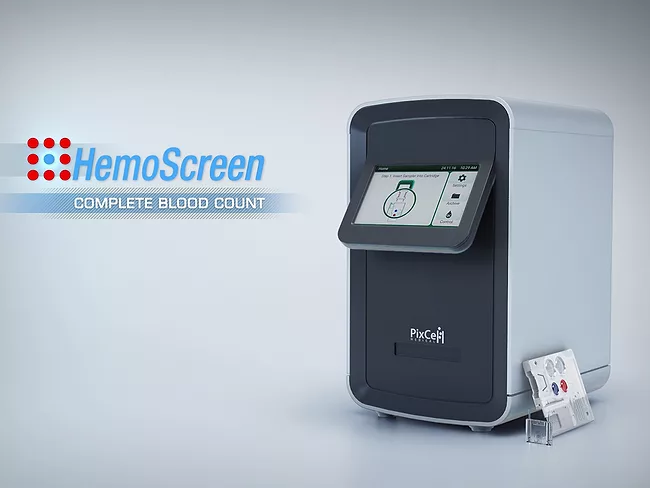
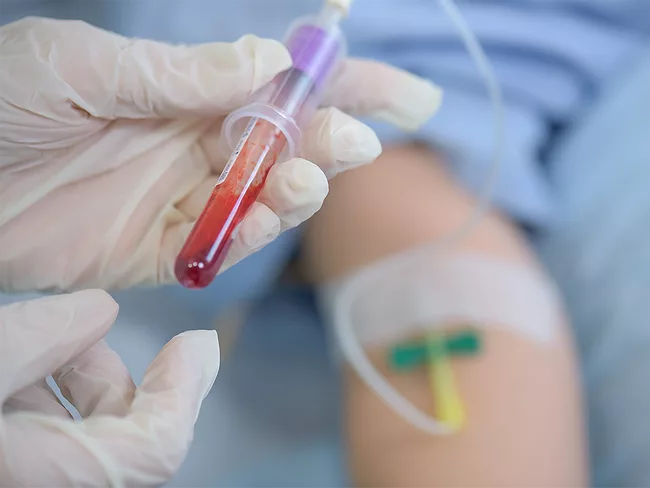
The National Institutes of Health selected Pixcell Medical Ltd.’s Hemoscreen hematology analyzer as part of the six-year Risk Underlying Rural Areas Longitudinal (RURAL) research study, aiming to gain insight into the specific health-related concerns of the rural southeastern United States' population. The RURAL study is funded by the National Heart, Lung and Blood Institute and aims to understand health concerns specific to rural communities in the South, particularly related to increased rates of heart, lung, blood and sleep disorders.
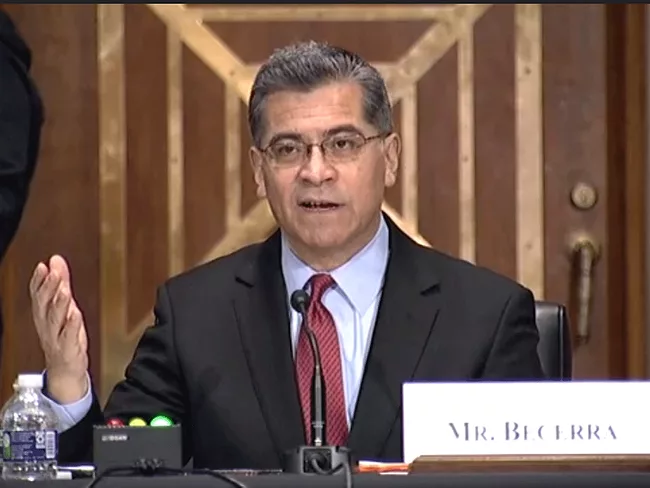
The first Senate hearing for the nomination of Xavier Becerra as Secretary of Health and Human Services included the predictable questions about his qualifications, given his position as attorney general for the state of California. However, the candidate repeatedly emphasized price transparency for both hospitals and drug manufacturers, the latter of which are still laboring under the perception that price gouging is a common practice.
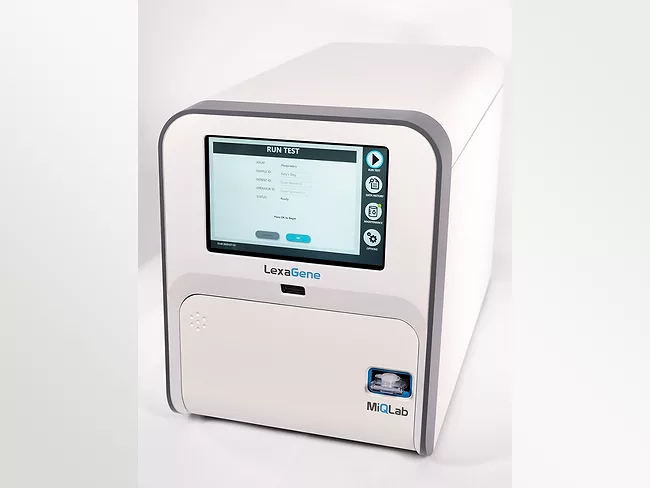
Lexagene Holdings Inc. has successfully configured its Miqlab system to detect the U.K. and South African variants of SARS-CoV-2. The open-access point-of-care system can simultaneously screen for multiple respiratory pathogens and identify COVID-19 strains. Lexagene started studies to support its filing for U.S. FDA emergency use authorization (EUA) in late December 2020. If authorized, it would be the first open-access point-of-care (POC) device to gain an EUA.
The U.S. Centers for Medicare & Medicaid Services (CMS) has determined that the time has come to offer Medicare coverage for blood-based in vitro diagnostics as a screening tool for colorectal cancer (CRC), but there’s one catch: At present, there is no such test approved by the FDA that qualifies under the terms of the coverage memo, making this a null coverage proposition, at least for the time being.
The Washington Legal Foundation’s (WLF) webinar on False Claims Act (FCA) litigation highlighted several developments in case law, including that non-relator FCA cases were up significantly in fiscal year 2020. However, Jay Stephens, an attorney with Kirkland & Ellis LLP, noted that Sen. Chuck Grassley (R-Iowa) has taken aim yet again at the materiality standard for false claims as spelled out in the Supreme Court’s Escobar, a move which if successful could amplify the federal enforcement focus on life science companies.
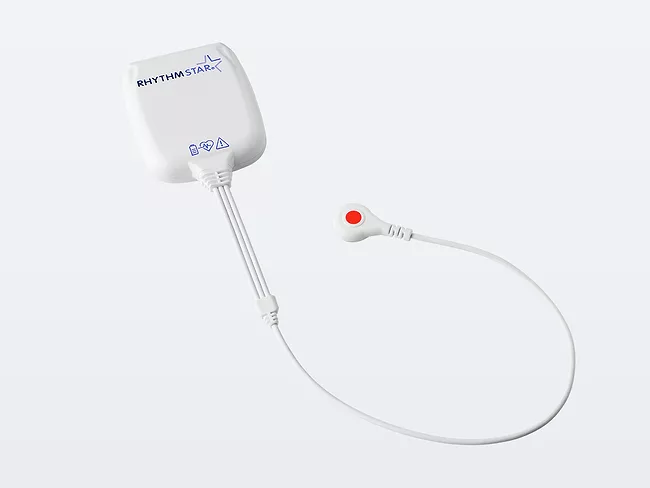
Cardiac monitoring company Rhythmedix Inc. reported the launch of its next-generation, wearable Rhythmstar device with built-in 4G cellular connectivity. The low-profile, water-resistant cardiac telemetry monitor provides extended remote monitoring to quickly detect arrhythmia without the need for a phone or other communication device.
Researchers at the University of California San Diego (UCSD) have taken wearables to a new level with a soft skin patch that integrates functions currently siloed in continuous glucose monitors, wearables, wellness apps and hospital monitors. The all-in-one patch can be worn on the neck to continuously track blood pressure, heart rate, glucose, lactate, alcohol and caffeine.
Emitbio Inc., a life science company developing light-based therapies, is seeking emergency use authorization (EUA) from the U.S. FDA for its investigational device to treat mild to moderate COVID-19 infection at home. The portable, hand-held device works by directing precise wavelengths of visible light to the back of the throat and surrounding tissues. It is not yet available for sale in the U.S.
The problem of patent subject matter eligibility is still a nightmare for companies in the diagnostics space, but patent attorney Michael Borella said this is still an issue for software as well. Borella said there are three characteristics that should be considered while drafting patent claims – specificity, technical character and novelty – to arrive at a reasonable assurance that that the key claims in a patent application will survive a challenge in hazardous legal environs, such as the Court of Appeals for the Federal Circuit.
 RSS
RSS