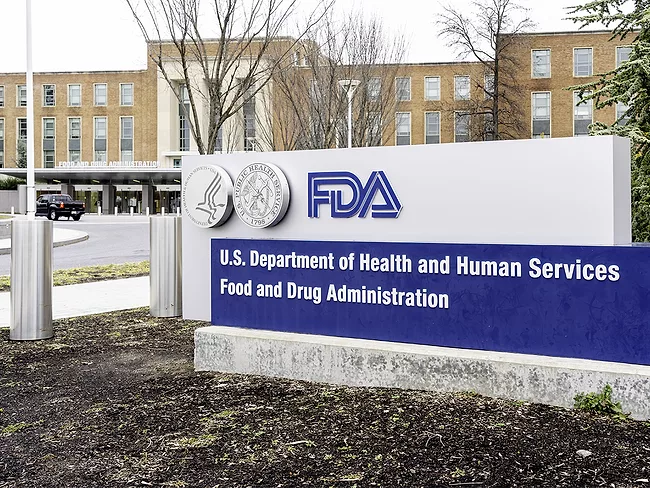
Most of the med-tech companies doing business during the COVID-19 pandemic are experienced and already have their FDA compliance systems in place. However, Dennis Gucciardo, a partner at the D.C. office of Morgan, Lewis & Bockius LLP, told BioWorld that while the FDA will give industry sufficient time to transition their emergency use authorizations (EUAs) to conventional premarket filings, the cost of setting up a quality management system may be greater than some current EUA holders are willing to bear.
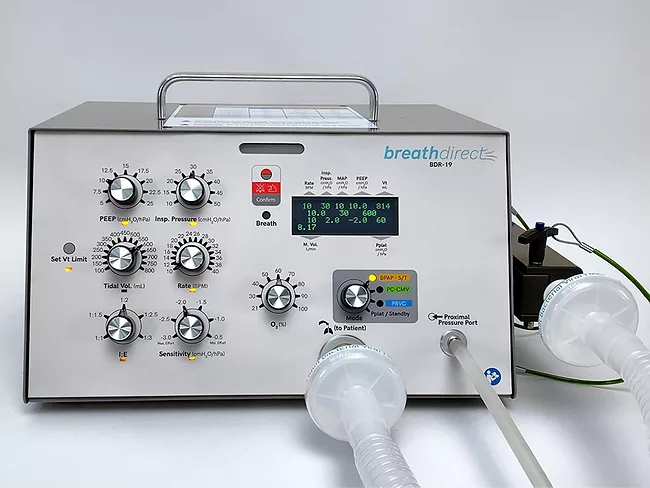
The U.S. FDA has granted emergency use authorization (EUA) to Breath Direct Inc. for its BDR-19 critical care ventilator for the treatment of critical care patients with respiratory insufficiency. Initial shipments of the device are expected within weeks. The EUA marks a major milestone for the fledgling Long Beach, Calif.-based company, which was started by medical device entrepreneur Darren Saravis in the early days of the pandemic.
The Advanced Medical Technology Association’s (Advamed) new board chairman, Michael Minogue, president and CEO of Abiomed Inc., noted that the association’s agenda for 2021 includes considerations of several headwinds. However, Advamed President and CEO Scott Whitaker said the Medicare Coverage of Innovative Technologies (MCIT) program should commence March 15 as planned, despite the overhang of the Biden administration’s regulatory review of all orders posted in the last days of the Trump administration.
The first day of the annual meeting of the American Clinical Laboratory Association (ACLA) included a brief address by two members of Congress, including Rep. Brett Guthrie (R-Ky.), who chairs the health subcommittee of the House Energy and Commerce Committee. Guthrie acknowledged that the reset of the Medicare clinical lab fee schedule was not going as intended, but declined to identify any possible fixes pending a report by the Medicare Payment Advisory Commission.
The latest global regulatory news, changes and updates affecting medical devices and technologies, including: Stimulus passes, no Medicare sequestration relief; OIG cites improper claims for polysomnography; Four senators seek feedback on Section 101 hangup.
In a span of a mere two years, the state of California passed two ballot initiatives dealing with privacy that promise to have an impact on digital health, the second of which created an office specifically for privacy enforcement matters. Eric Goldman, a professor of law at the Santa Clara (California) University School of Law, said on a recent webinar that the state attorney general’s office and the new California Privacy Protection Agency (CPPA) have overlapping jurisdiction, and as a consequence, companies doing business in California may find themselves at the mercy of not one, but two enforcement entities.
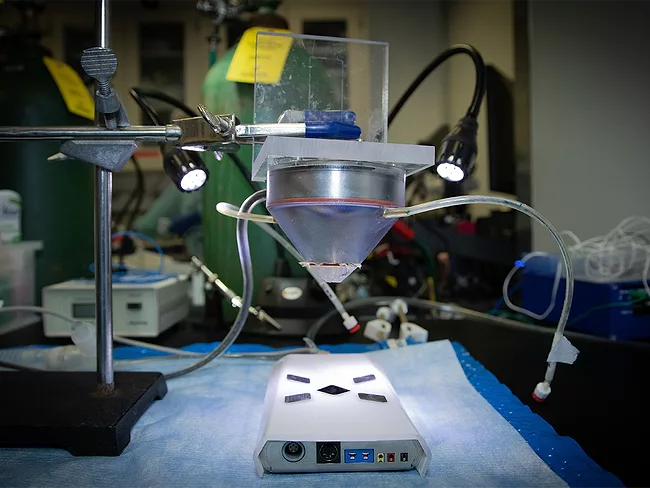
Stimulating the liver with focused ultrasound decreased obesity, chronic inflammation and metabolic dysfunction in preclinical studies, reported GE Research and the Feinstein Institutes for Medical Research, the research arm of Northwell Health. In a study published in Scientific Reports, researchers demonstrated that nerve modulation with ultrasound in mice helped regulate neurons involved in food intake, glucose regulation and metabolism without negative side effects.
The Biden administration imposed a regulatory freeze in January, which among other things affected the final rule for the Medicare Coverage of Innovative Technologies (MCIT) program. Despite the freeze, Cybil Roehrenbeck, a partner in the D.C. office of Hogan Lovells US LLP, told BioWorld that this program enjoys broad support in Washington, and thus should survive the new administration’s review of the program under Xavier Becerra, should he be appointed the Secretary of Health and Human Services.
The voluminous American Rescue Plan – the second largest stimulus package in U.S. history – has something for everyone. Almost. The $1.9 trillion package that passed the Senate over the weekend and is expected to be passed by the House March 9 failed to extend the current moratorium, set to expire April 1, on the 2% Medicare sequestration.
A bad patient experience with telehealth can blunt adoption regardless of the incentives for developers and doctors. Griffin Mulcahey, chief compliance officer at Wheel Health Inc., of Austin, Texas, said during a recent webinar that users of these digital health apps and telemedicine programs may need assistance to get up to speed on an application, a critical effort that may make the difference between success and failure in telehealth.
 RSS
RSS