Pharmaceutical pain management has aided billions of patients, but has also created millions of cases of addiction, a problem that is driving research into pain. Omowunmi Sadik of the New Jersey Institutes of Technology, said on a recent webinar that the Biosensor Materials for Advanced Research & Technology (BioSMART) Center, is working on a suite of biosensors that may aid in the detection of the molecular markers associated with pain.
Computer system validation (CSV) has been the source of considerable drag on device makers’ efforts to realize value derived from investments in the company’s technology base, but this long-standing issue is finally drawing some much-needed attention.
The U.S. FDA’s safer technologies program, or STeP, is designed in part as a complement to the breakthrough devices program, but the September 2019 draft guidance lent little clarity as to what might constitute a significantly safer device. The Jan. 5, 2021, final guidance does little to clarify that question, however.
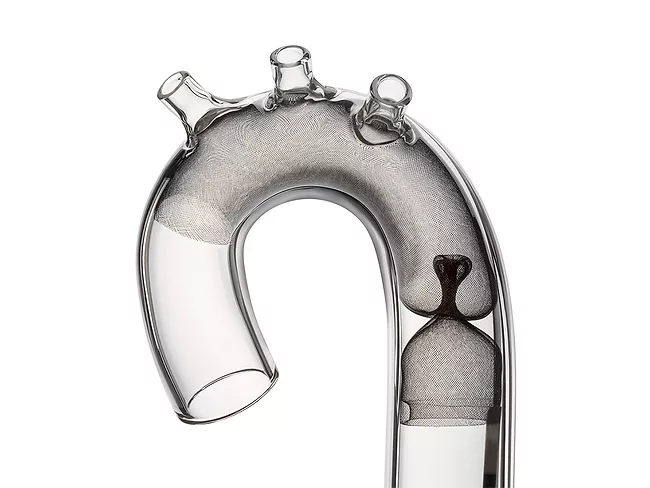
Emboline Inc., which is developing technology to reduce the chance of stroke during transcatheter heart procedures, completed a $10 million series C financing. The funds are earmarked to gain initial commercial approval of the company’s Emboliner device and to launch a U.S. pivotal study. The round, which included new and existing investors, follows a $5 million bridge round of financing that closed last January.
The U.S. FDA’s device center may still be grappling with the COVID-19 pandemic throughout the remainder of fiscal year 2021, but that does not mean other considerations have disappeared. The FDA’s Erin Keith said the agency will keep working on a major overhaul of the quality systems regulation (QSR) but will also work toward expanding industry’s use of advanced manufacturing technologies, such as additive manufacturing.
Lexagene Holdings Inc. started a series of studies for submission to the U.S. FDA for emergency use authorization (EUA) for its point-of-care system and adaptable COVID-19 assay. The open-access technology enables rapid configuration for new COVID-19 variants.
Telehealth has been topical in the U.S. for several years now, but the COVID-19 pandemic lent new urgency to the question of Medicare coverage. However, there are a number of related enforcement issues that could dampen adoption and increase the legal risk for both health care professionals and developers of telehealth-related products.
U.S. federal government enforcement of the Foreign Corrupt Practices Act (FCPA) might not draw the attention that other matters draw, but the Securities and Exchange Commission (SEC) has made extensive use of the FCPA in 2020. SEC actions related to the FCPA may have accounted for only about 2% of the agency’s actions over the past year, but nonetheless accounted for nearly 80% of the penalties collected by the agency, and health care was second only to the oil and gas industries as the targets of FCPA action by the agency.
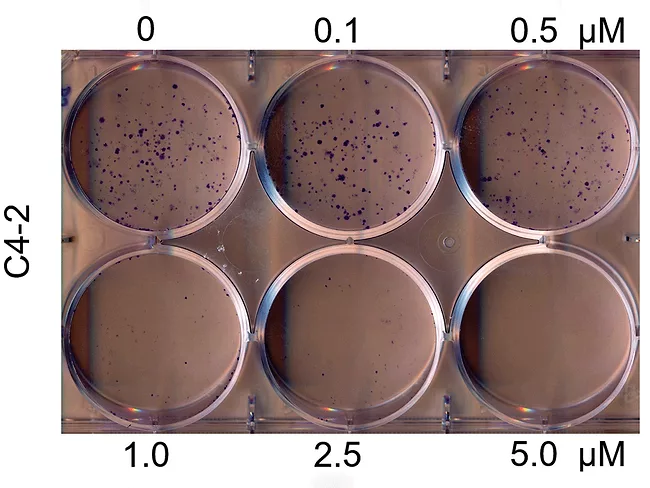
Scientists at Duke University School of Medicine in Durham, N.C., have developed a small-molecule inhibitor of the cellular stress-protective transcription factor, heat-shock factor 1, which showed developmental promise against treatment-resistant prostate cancer and other cancers. The small molecule, Direct Targeted HSF1 InhiBitor (DTHIB), may also be a useful research tool for investigating the regulation and role of HSF1 in basic stress biology and in cancer.
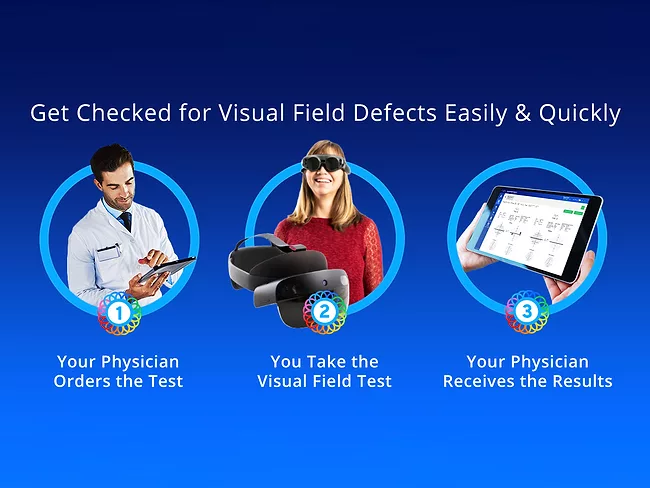
Heru Inc., a medical technology company using artificial intelligence (AI) to advance vision diagnostics and augmentation, has completed class I device registration with the U.S. FDA for its cloud-based diagnostic application for visual field exams. Heru’s software works with commercially available augmented reality or virtual reality (AR/VR) headsets to provide a subjective visual field exam, with results immediately available to clinicians through a web portal.
 RSS
RSS