The U.S. FDA’s device center may still be grappling with the COVID-19 pandemic throughout the remainder of fiscal year 2021, but that does not mean other considerations have disappeared. The FDA’s Erin Keith said the agency will keep working on a major overhaul of the quality systems regulation (QSR) but will also work toward expanding industry’s use of advanced manufacturing technologies, such as additive manufacturing.
Lexagene Holdings Inc. started a series of studies for submission to the U.S. FDA for emergency use authorization (EUA) for its point-of-care system and adaptable COVID-19 assay. The open-access technology enables rapid configuration for new COVID-19 variants.
Telehealth has been topical in the U.S. for several years now, but the COVID-19 pandemic lent new urgency to the question of Medicare coverage. However, there are a number of related enforcement issues that could dampen adoption and increase the legal risk for both health care professionals and developers of telehealth-related products.
U.S. federal government enforcement of the Foreign Corrupt Practices Act (FCPA) might not draw the attention that other matters draw, but the Securities and Exchange Commission (SEC) has made extensive use of the FCPA in 2020. SEC actions related to the FCPA may have accounted for only about 2% of the agency’s actions over the past year, but nonetheless accounted for nearly 80% of the penalties collected by the agency, and health care was second only to the oil and gas industries as the targets of FCPA action by the agency.
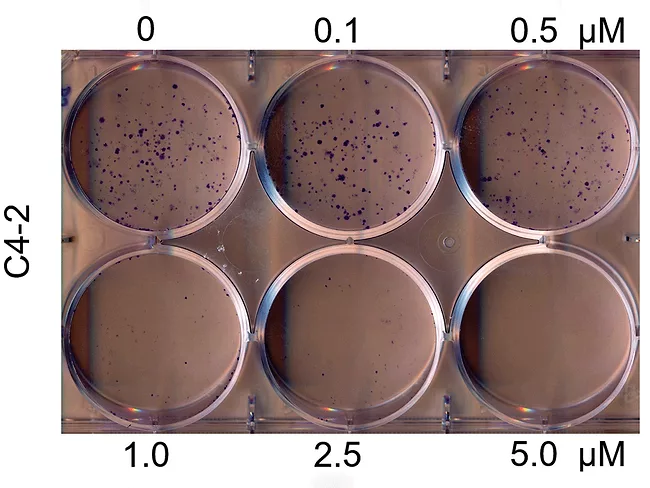
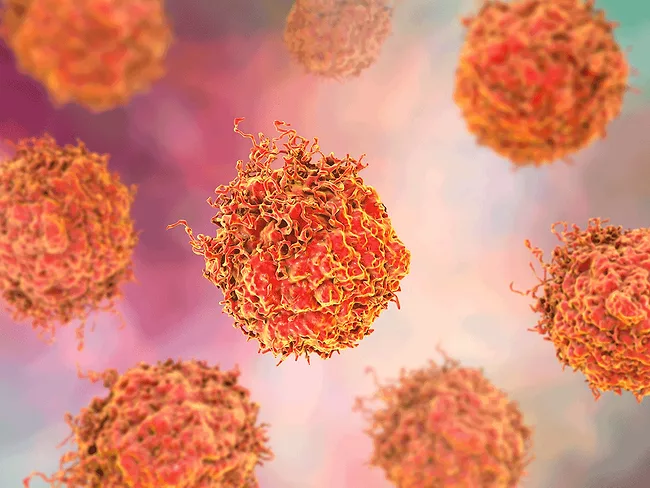
Scientists at Duke University School of Medicine in Durham, N.C., have developed a small-molecule inhibitor of the cellular stress-protective transcription factor, heat-shock factor 1, which showed developmental promise against treatment-resistant prostate cancer and other cancers. The small molecule, Direct Targeted HSF1 InhiBitor (DTHIB), may also be a useful research tool for investigating the regulation and role of HSF1 in basic stress biology and in cancer.
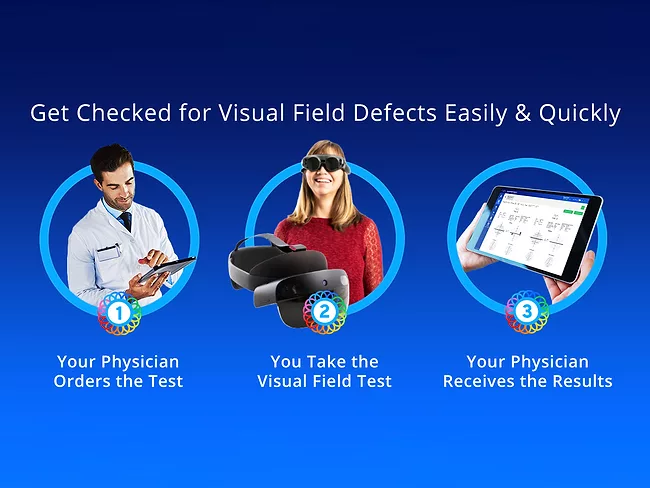
Heru Inc., a medical technology company using artificial intelligence (AI) to advance vision diagnostics and augmentation, has completed class I device registration with the U.S. FDA for its cloud-based diagnostic application for visual field exams. Heru’s software works with commercially available augmented reality or virtual reality (AR/VR) headsets to provide a subjective visual field exam, with results immediately available to clinicians through a web portal.
The U.S. FDA has exercised a considerable degree of enforcement discretion during the COVID-19 pandemic, particularly when it comes to digital health. However, Christine Bump, principal at Penn Avenue Law & Policy, said that this very discretion has an uncertain shelf life and advised industry to remain compliant with the regulations as much as possible to avoid unnecessary enforcement actions by federal agencies.
Clinical-stage oncology company Nuview Life Sciences Inc. is developing a cancer diagnostic test and treatment delivery system that could reduce the need for costly, less accurate tests and surgical biopsies. The binary – yes/no – test employs a proprietary peptide construct, NV-VPAC1, that targets a specific receptor, called vasoactive intestinal peptide receptor type 1 (VPAC1), that is overexpressed on the surface of cancer cells.
In an exclusive interview with BioWorld on the challenges facing a deeply divided Congress and some of the highlights of his years in the U.S. House, retiring Congressman Greg Walden (R-Ore.) said that once the COVID- 19 pandemic is over, federal policymakers should hold a summit with officials from states and major cities to look at a new preparedness partnership that would ensure the availability of strategic medical supplies.
After nearly three months of the U.S. federal government operating on stopgap spending measures, Congress has agreed to a $1.4 trillion spending bill for fiscal 2021. The omnibus package, which includes $97 billion for the Department of Health and Human Services, gives both the FDA and NIH small increases in funding.
 RSS
RSS