GT Metabolic Solutions Inc. received U.S. FDA clearance for its Magdi bariatric surgery system. The system uses magnets to create side-to-side duodeno-ileal anastomosis without cutting intestinal tissue or leaving foreign materials in the body permanently.
Atherectomy devices play a key role in dealing with calcified coronary arteries. But a study presented at this year’s Transcatheter Cardiovascular Therapeutics demonstrates that angioplasty balloons made a lot of headway in this clinical area, potentially pushing atherectomy devices into the fringes of routine practice.
Lexicon Pharmaceuticals Inc. is counting on the Oct. 31 meeting of the U.S. FDA’s Endocrinologic and Metabolic Drugs Advisory Committee to help it break through the type 1 diabetes (T1D) door with Zynquista (sotagliflozin), proposed as an adjunct to insulin to improve glycemic control in people with T1D and mild to moderate chronic kidney disease.
While phase II results of Coya Therapeutics Inc.’s low-dose IL-2 drug, COYA-301, showed promise in Alzheimer’s disease patients when dosed every four weeks, it was the more frequent dosing of every two weeks that led to exhausted regulatory T cells and no benefits, driving down the company’s stock by nearly 28%.
With another failure of E-selectin antagonist uproleselan on the books, Glycomimetics Inc. signed an acquisition agreement with privately held, solid tumor-focused Crescent Biopharma Inc., and a syndicate of investors has put up $200 million to make the merger possible. The combined firm will operate under Crescent’s name after the deal closes in the second quarter of 2025, subject to shareholders’ go-ahead.
Semaglutide, the glucagon-like peptide 1 receptor agonist from Novo Nordisk A/S, which has seemingly improved every disease it’s been tested on, was a focus at Kidney Week 2024, where researchers presented data from multiple clinical studies in patients with kidney diseases.
Some studies suggest a need for cardiologists to rethink their approach to device implant. However, the TAVR UNLOAD study failed to demonstrate a statistically significant difference between device implant and medical management for patients with aortic stenosis and low left ventricular ejection fraction.
The U.S. FDA’s approval of the Abbott Laboratories Triclip was predicated on a data set comprised of 350 patients, but an additional bolus of data seems to reinforce the rationale for the FDA approval, including improvements in quality of life.
A major increase in the popularity of weight loss drugs, particularly GLP-1s, has created a rivalry with traditional device orientated approaches, but a new technology aims to navigate the space between them.
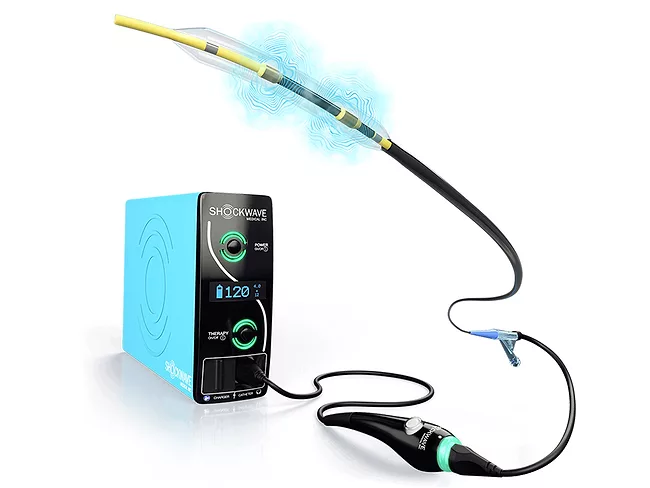
Shockwave Medical, a unit of New Brunswick, N.J.-based Johnson & Johnson Medtech, completed enrollment in the first prospective all-female study of percutaneous coronary intervention in complex disease. The real-world, all-comers trial will evaluate the benefits of coronary intravascular lithotripsy in female patients with calcified lesions.
 RSS
RSS