Daiichi Sankyo Co. Ltd. and Astrazeneca plc have submitted a new BLA to the U.S. FDA for accelerated approval for datopotamab deruxtecan for treating locally advanced or metastatic epidermal growth factor receptor-mutated non-small-cell lung cancer patients who have received prior systemic therapies.
The U.S. FDA issued a complete response letter Nov. 15 for Izervay’s (avacincaptad pegol intravitreal solution, ACP) supplemental NDA, which sought to include positive two-year data for the Astellas Pharma Inc. therapy, previously approved for use in a treatment for geographic atrophy secondary to age-related macular degeneration.
Three years after the U.S. FDA approval of Abbott Laboratories’ Amplatzer Amulet, results of its investigational device exemption trial failed to notably differentiate Abbott’s left atrial appendage occluder system from Boston Scientific Corp.’s market-dominant Watchman device beyond the ability to forego anticoagulants quickly after implantation.
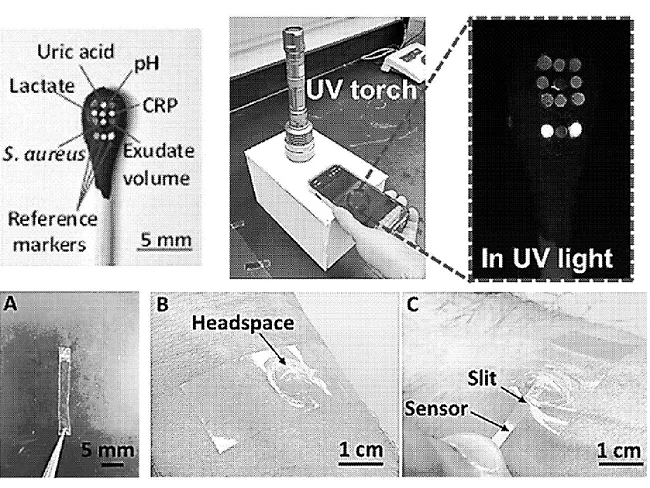
Researchers from North Carolina State University filed for protection of miniaturized, wireless, wound-monitoring sensors that may be incorporated into swabs or wound dressings for real-time, accurate assessment of wound status.
Neurogene Inc.’s stock sank 43% on news that its phase I/II gene therapy, NGN-401, resulted in a serious adverse event in a pediatric Rett syndrome patient receiving the highest dose.
Patients infected with hepatitis C have had the ability to rid their livers of the virus for some time, while patients with chronic hepatitis B virus infection have been required to take medications for the rest of their lives in the hopes of just dampening damage to the liver caused by the virus. But, at The Liver Meeting 2024, Arbutus presented data from the phase IIa Im-prove study suggesting a cure might be on its way with its DNAi drug, which binds to the viral mRNA promoting its cutting, leading to loss of translation of the viral proteins.
Syndax Pharmaceuticals Inc. won U.S. FDA approval – the company’s second this year – for menin inhibitor Revuforj (revumenib) with a black box warning for differentiation syndrome. “We’ve long expected that would be the case,” said CEO Michael Metzger. For “the last six years or so” the agency has had a “heightened awareness” of the problem, and he predicted all drugs in the class would bear similar cautionary language. But there’s also a warning about QT prolongation and a requirement for monitoring.
Boston Scientific Corp.’s OPTION study demonstrated left atrial appendage closure with the Watchman Flx device reduced risk of stroke compared to management with direct oral anticoagulants or warfarin in patients with atrial fibrillation following cardiac ablation. Results were presented at the American Heart Association's Scientific Sessions 2024 and simultaneously published in The New England Journal of Medicine.
Smartcardia SA received U.S. FDA clearance for mobile outpatient cardiac telemetry for its seven-lead live ECG monitoring patch and cloud platform. With the approval, the solution can now be used for remote live monitoring of a patient’s ECG and immediately notify clinicians in cases of arrhythmias.
Vitalli Bio Inc. terminated a potential $477 million licensing deal for autoimmune disease drug, DWP-213388, signed a year ago with Daewoong Pharmaceutical Co. Ltd., although Vitalli still retains option rights to two more dual inhibitor candidates that could fetch up to $941 million.

 RSS
RSS