Additional deaths believed to be associated with one of Foghorn Therapeutics Inc.'s lead candidates led the U.S. FDA to put a full clinical hold on its phase I study in relapsed and/or refractory acute myelogenous leukemia and myelodysplastic syndrome.
Medical device product liability litigation can take a number of seemingly unique twists and turns, but the case of Nelson v. Bard took a path that might have been predicted based on FDA-mandated labeling content. The U.S. Court of Appeals for the Fifth Circuit affirmed a lower court’s ruling that the instructions for use for a Bard inferior vena cava filter indemnified the company because the IFU listed the very events seen by the patient, undercutting the patient’s claim that Bard had failed to warn of these events.
Precision Diabetes Inc. (PDI) entered an exclusive agreement with Dxgen Corp. to introduce and distribute the Epithod Autodx point-of-care analyzer and multiple diabetes tests that run on the system within the U.S. The first available tests will include hemoglobin A1c, C-reactive protein and albumin, with the portfolio of tests expected to grow quickly.
In the six years since the U.S. FDA issued its final guidance on charging for drugs used under an investigational new drug (IND) application for clinical trials or expanded access, the agency has received several questions about how it is implementing regulations on the matters. To answer those questions, the FDA released a revised draft guidance that, when finalized, will replace the guidance issued in 2016.
It’s a step forward and a step back at Pfizer Inc. Even as Pfizer and its partner Biontech SE finished filing an emergency use authorization application with the U.S. FDA seeking to field an updated booster dose of their omicron COVID vaccine, the regulator has made a request of its own, for more data on the company's oral antiviral, Paxlovid (nirmatrelvir + ritonavir), for treating COVID-19. An Aug. 5, 2022, letter from the FDA stipulates post-EUA requirements for Paxlovid, including that Pfizer conduct a trial in patients with a relapse of COVID symptoms, longhand for a “rebound,” after an initial Paxlovid treatment course.
After nearly four decades as director of the U.S. NIH’s National Institute of Allergy and Infectious Diseases (NIAID), 81-year-old Anthony Fauci will be stepping down in December. He also announced Aug. 22 that he will be handing over the reins as chief of the NIAID Laboratory of Immunoregulation and as chief medical adviser to President Joe Biden.
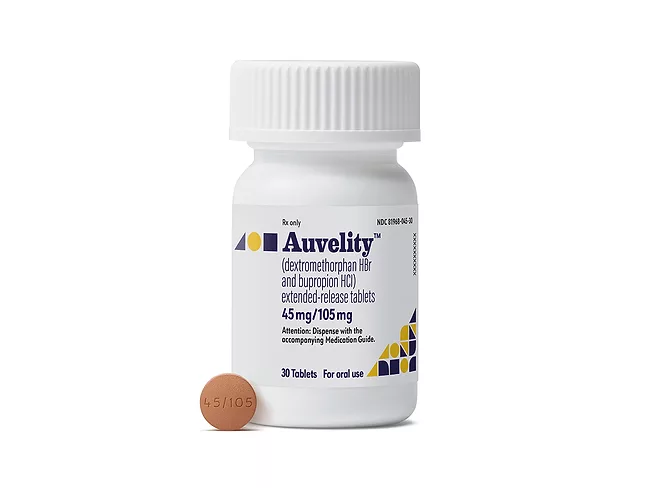
A year from the U.S. FDA’s August 2021 citation of deficiencies in the labeling for Axsome Therapeutics Inc.’s major depressive disorder therapy, Auvelity (dextromethorphan + bupropion), the agency has approved the drug for use by adults. The New York-based company’s stock (NASDAQ:AXSM) took flight on the news, with shares rising 40% to close at $59.55 Aug. 19, surpassing their previous 52-week high of $48.82 and starkly contrasting with a same-period low of $19.38.
It pays to read the details of patent specifications. By keeping the pH range of its generic vasopressin injection at least 0.01 below that specified for Vasostrict, Eagle Pharmaceuticals Inc. cleared itself from claims that it had infringed two key patents protecting the brand drug.
An Emergent Biosolutions Inc. facility in Baltimore is under U.S. FDA scrutiny after a February 2022 inspection revealed manufacturing problems, some of which resulted in multiple customer complaints.
Regardless of the grading scale, the U.S. NIH would have gotten an “F” for its failure to ensure that intramural and extramural clinical trials it funded complied with government reporting requirements in 2019 and 2020.

 RSS
RSS