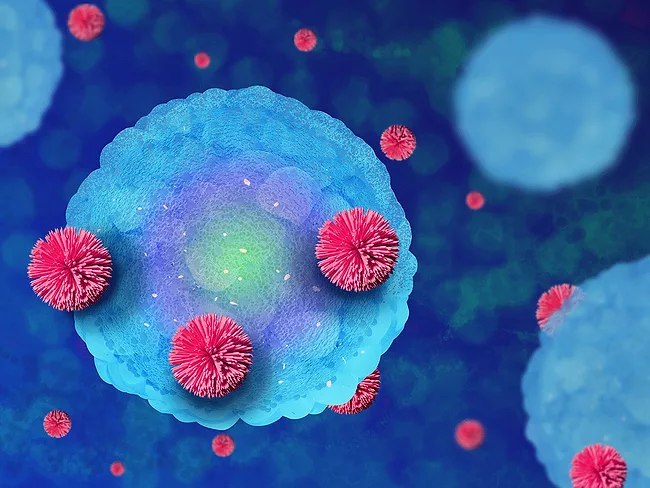
Collagen is the most abundant protein in the human body, which would seem to make it an unlikely source for an immunotherapy target. But it is where researchers from Immatics Biotechnologies GmbH and the University of Pennsylvania have found a target that was expressed on stromal cells in a number of different solid tumors, but very rare in normal tissues.
Amylyx Pharmaceuticals Inc.’s amyotrophic lateral sclerosis candidate, AMX-0035, will get a rare second bite at the adcom apple Sept. 7. This time around, the Cambridge, Mass.-based company is looking to improve on its first performance by stressing the survival benefit of its drug.
The U.S. FDA’s formation of the Digital Health Center of Excellence was heralded as a key enabler of digital health technologies, but the news hasn’t necessarily had the expected effect. The agency’s December 2021 draft guidance on the use of digital health technologies to assist in the conduct of clinical trials is still in regulatory drydock.
I-Cordis LLC has been awarded a phase II Small Business Innovation Research (SBIR) grant for US$1,548,708 from the National Heart, Lung, and Blood Institute (NHLBI) to further develop a potential immune-modulatory treatment for heart failure with preserved ejection fraction (HFpEF).
Seagen Inc. and University of Minnesota have synthesized compounds and their antibody-drug conjugates (ADCs) comprising humanized monoclonal antibody (MAb) bound to Toll-like receptor 7 (TLR7) or TLR8 agonists through linker reported to be useful for the treatment of cancer.
An administrative law judge has decreed that the acquisition of Grail Inc., by Illumina Inc., would not represent a suppression of competition in the market for multicancer early detection (MCED) tests, clearing a way for an acquisition that was initially valued at more than $7 billion.
The U.S. FDA’s formation of the Digital Health Center of Excellence (DHCoE) was heralded as a key enabler of digital health technologies, but the news hasn’t necessarily had the expected effect. The agency’s December 2021 draft guidance on the use of digital health technologies to assist in the conduct of clinical trials is still in regulatory drydock.
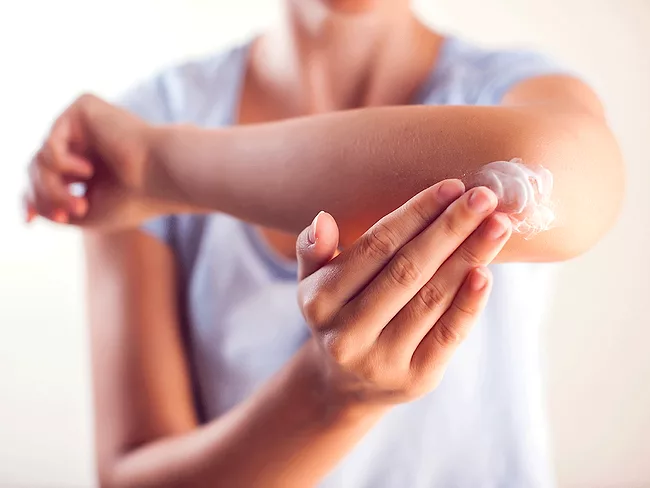
Since its launch in the U.S. in April, Biolab Sciences Inc.’s Dermistat has facilitated the healing of 80 wounds using its unusual gel-graft formula. The product transforms a patient’s skin cells into a partial thickness skin graft in 48 hours and a full-thickness graft in five to seven days. The autologous graft material speeds recovery following surgery or burns and helps to resolve non-healing wounds.
Irked by what state officials described as "bureaucratic roadblocks" to Florida's proposal for importing cheaper prescription drugs from Canada, Florida Gov. Ron DeSantis on Aug. 31 announced a state lawsuit against the U.S. FDA.
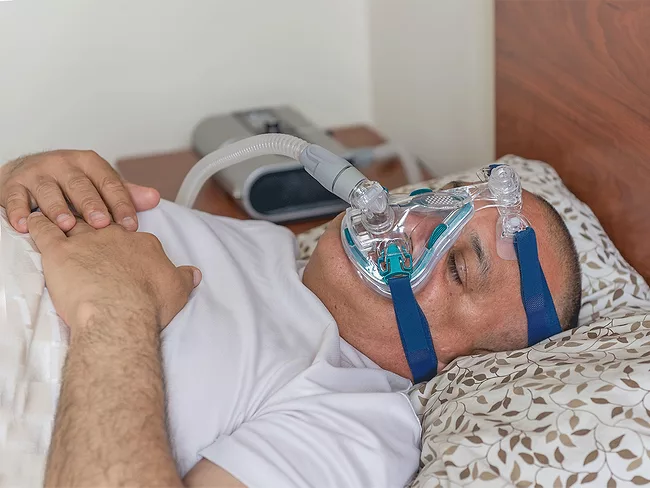
A variety of positive airway pressure (PAP) devices made by Philips Respironics Inc. have been subject to a lengthy and expensive recall due to the use of a problematic material in acoustic insulation foam, but now the company has a new headache in connection with its offerings. The FDA said this latest safety notification is due to the possible presence of a plastic that is contaminated with a non-compatible material, although this recall affects fewer than 400 units.
 RSS
RSS