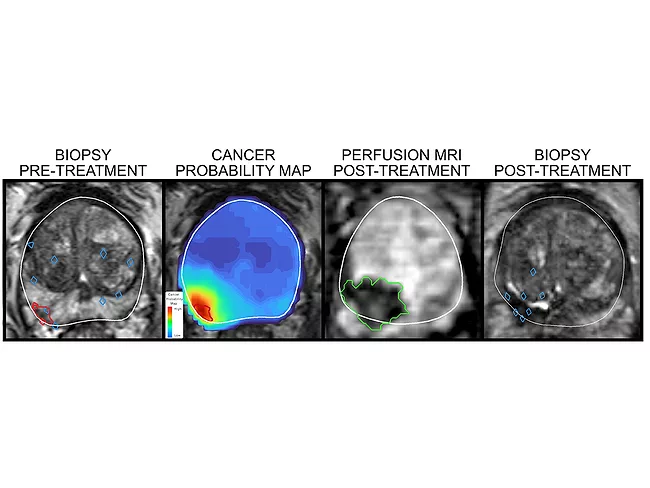
Avenda Health Inc. secured FDA 510(k) clearance for its Iquest platform, which uses artificial intelligence to map the location of a tumor within the prostate. The visualization created provides better assessment of the extent of the malignancy and improves selection of treatments. Avenda raised $10 million in August to support development of Iquest, which guides the company’s Focalpoint laser ablation system.
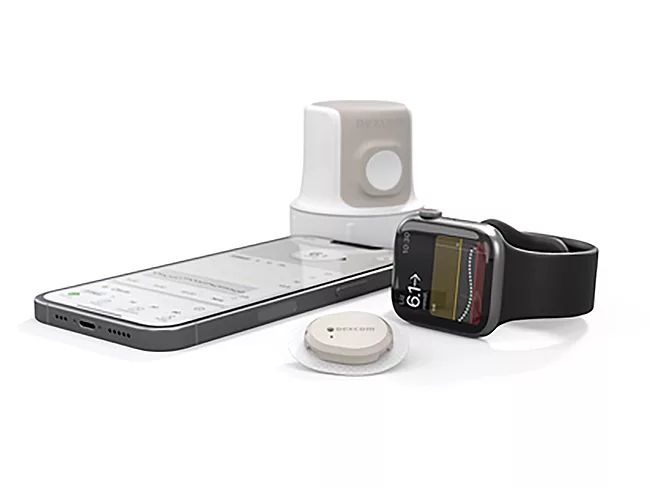
Dexcom Inc. ends 2022 on a high note with broad clearance from the U.S. FDA for its G7 continuous glucose monitoring system (CGM). The long-awaited 510(k) clearance encompasses use in people with all types of diabetes age two and older, positioning Dexcom to take advantage of expanded coverage of CGMs to include individuals on basal insulin-only for Medicare beneficiaries as proposed by CMS in October.
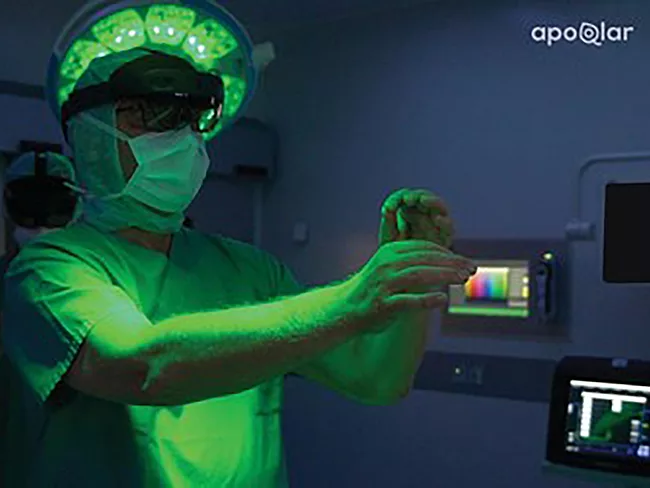
Apoqlar GmbH received a green light from the FDA for its VSI Holomedicine, a mixed reality software enabling surgeons to plan procedures in an immersive 3D experience. The company expects to release the technology for clinical use in the U.S. in the second quarter of 2023.
Shares of Oncopeptides AB dropped 35% Dec. 7 on the U.S. FDA’s request to withdraw marketing authorization of Pepaxto (melflufen), a drug that had gained accelerated approval in early 2021 for use in relapsed/refractory multiple myeloma. The move followed a negative advisory committee vote in September 2022 and is based on the outcome of the confirmatory phase III Ocean study.
Getinge AB reported that intraortic balloon pumps (IABPs) manufactured by its Datascope subsidiary are in short supply following a recall of some of these devices in 2019. Getinge said manufacturing of units and parts is proceeding at the maximum pace allowed by supply chain volatility and recommended that hospitals facing shortages contact other nearby hospitals in the event of a lack of device availability.
Ricoh USA Inc. recently received U.S. FDA clearance for craniomaxillofacial (CMF) and orthopedic patient-specific anatomic modeling technology, using 3D printing technology developed by Eden Prairie, Minn.-based Stratasys Inc. for patient-specific representations of tissue and bone. The Ricoh 3D for Healthcare platform is described as an end-to-end workflow solution for designing and producing 3D-printed anatomic models for the mouth, jaws, face, skull and other CMF structures.
The U.S. FDA reported that the post-approval study (PAS) for the Impella RP by Abiomed Inc. of Danvers, Mass., demonstrated that the device performed well for patients who would have been eligible for the pivotal study, providing a 69.7% survival rate at 30 days after device explant.
Ironically, one of the casualties of the COVID-19 pandemic is an overdue review and revision of U.S. dual use research of concern (DURC) policies, as well as the Department of Health and Human Services’ Potential Pandemic Pathogen Care and Oversight guidance. Consequently, several senators are asking the White House to halt all ongoing and new viral gain-of-function and DURC studies in the life sciences that involve enhanced pathogens of pandemic potential.
At the recent Clinic Trials on Alzheimer’s Disease (CTAD) conference in San Francisco, Regenlife SAS presented the design for its Light4life study examining the therapeutic efficacy of the RGn600 device. This trial on more than 100 subjects will evaluate the cognitive impacts of new photobiomodulation technology.
Following the tone set in an October U.S. FDA Oncologic Drugs Advisory Committee meeting, the agency has issued a complete response letter (CRL) to Y-mabs Therapeutics Inc.’s BLA for Omblastys (131I-omburtamab) to treat central nervous system/leptomeningeal metastasis arising from neuroblastoma.
 RSS
RSS