Integra Lifesciences Holdings Corp., of Plainsboro, N.J., said in its latest 8K filing that it has decided to voluntarily remove all the company’s Cerelink systems – which are indicated for intracranial pressure monitoring – due to customer reports that these monitors were returning inaccurate pressure readings.
Litigation over how to assign royalties for intellectual property with an offshore subsidiary doesn’t consume the kind of billable attorney hours that patent disputes do, but the question can affect a multinational corporation’s bottom line in significant ways. The U.S. Tax Court recently decided on a method for assigning royalties to a Medtronic plc subsidiary located in Puerto Rico that fell between the rate sought by Medtronic and the rate sought by an appeals court, but that ultimate rate was close to that preferred by Medtronic, handing the company a better outcome than it might have predicted when the IRS filed suit.
A dozen years after the Dodd-Frank Act was signed into U.S. law, the SEC adopted a final rule Aug. 25 implementing the law’s so-called “pay-vs.-performance” provisions related to executive compensation.
It’s that time of year when the U.S. Trade Representative asks for help as it prepares its list of notorious markets for counterfeiting and piracy. While it’s not exhaustive, the annual list is composed of online and physical markets around the world that deal in commercial-scale counterfeiting and piracy across all sectors, including biopharma and med tech.
Payers are known to have a significant burden in crafting coverage and reimbursement policies for in vitro diagnostics, but Gillian Hooker, chief scientific officer at Concert Genetics Inc., of Nashville, Tenn., told an audience at the Next Generation DX Summit that the dilemma may be more expensive than commonly appreciated. Hooker said administrative costs may add as much as $125 per administered test, an artifact of a fragmented value chain that seems to enjoy few, if any prospects of improvement in the near term.
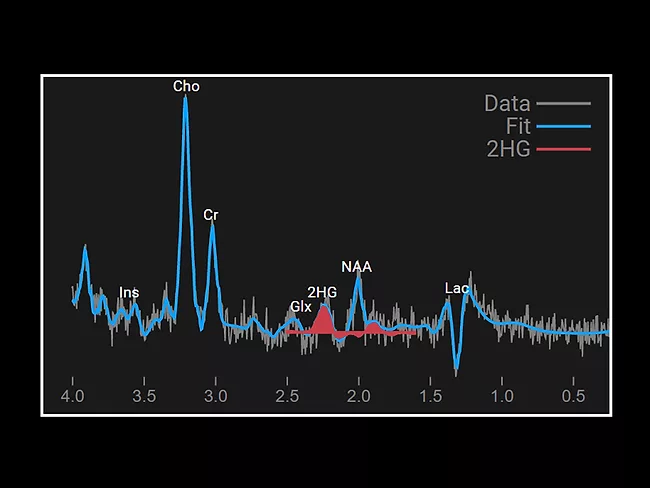
The U.S. FDA granted breakthrough device designation to startup Brainspec Inc. for its non-invasive virtual brain biopsy system. The company uses standard magnetic resonance imaging equipment to measure brain chemistry rather than to create images, providing a more detailed view of pathophysiology involved in a range of neurological disorders.
Moderna Inc.’s and Pfizer Inc.-Biontech SE’s COVID-19 bivalent boosters could be coming to the U.S. in the first week or so of September – even though the U.S. FDA just received the completed emergency use authorization (EUA) requests for the vaccines this week. The CDC is already taking pre-orders from providers, states and other jurisdictions for the yet-to-be authorized booster doses as part of its fall-winter booster campaign strategy. It also scheduled a Sept. 1-2 meeting of its Advisory Committee for Immunization Practices, signaling that it expects the FDA to grant the EUAs by the end of August.
The recall of CPAP, BiPAP and ventilator devices made by Philips Respironics Inc., of Murrysville, Pa., is now in its second year, but the rate of reported adverse events was exceedingly low prior to the onset of the June 2021 recall. Those numbers continued to climb in May, June and July of 2022, however, reaching 48,000 medical device reports and 44 deaths said to be associated with the recalled devices, a pace that would easily overwhelm the volume of reports seen in the 12 months ending April 30, 2022.
Akadeum Life Sciences Inc. is rolling out a new dead cell removal kit using its patented microbubble technology. The research-use-only Dead Cell Removal Microbubble Kit (DCR kit) is currently available via direct sales to the U.S. market and on the company’s website. Akadeum’s DCR kit is designed to resolve current challenges in dead cell removal, which can hamper elimination of dead cells and the salvage of viable ones for research use.
Valentine’s Day is a great day for creating that tingly feeling, but Abbott Park, Ill.-based Abbott Laboratories believes that this is not a good sensation for patients who are in search of pain relief via spinal cord stimulation (SCS) devices. Thus, the company touts its Proclaim Plus as a system that delivers a tightly titrated charge to multiple sites on the spinal cord to generate an analgesic effect without that tingling sensation, an outcome the company said is preferred by 87% of those in need of SCS for pain relief.

 RSS
RSS