After nearly four decades as director of the U.S. NIH’s National Institute of Allergy and Infectious Diseases (NIAID), 81-year-old Anthony Fauci will be stepping down in December. He also announced Aug. 22 that he will be handing over the reins as chief of the NIAID Laboratory of Immunoregulation and as chief medical adviser to President Joe Biden.
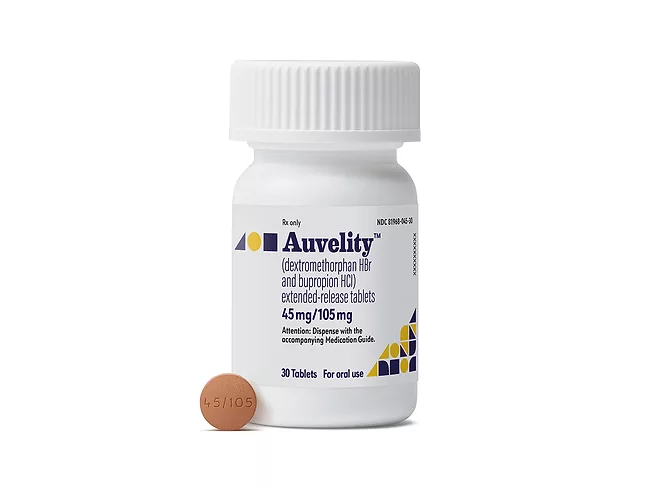
A year from the U.S. FDA’s August 2021 citation of deficiencies in the labeling for Axsome Therapeutics Inc.’s major depressive disorder therapy, Auvelity (dextromethorphan + bupropion), the agency has approved the drug for use by adults. The New York-based company’s stock (NASDAQ:AXSM) took flight on the news, with shares rising 40% to close at $59.55 Aug. 19, surpassing their previous 52-week high of $48.82 and starkly contrasting with a same-period low of $19.38.
It pays to read the details of patent specifications. By keeping the pH range of its generic vasopressin injection at least 0.01 below that specified for Vasostrict, Eagle Pharmaceuticals Inc. cleared itself from claims that it had infringed two key patents protecting the brand drug.
An Emergent Biosolutions Inc. facility in Baltimore is under U.S. FDA scrutiny after a February 2022 inspection revealed manufacturing problems, some of which resulted in multiple customer complaints.
Regardless of the grading scale, the U.S. NIH would have gotten an “F” for its failure to ensure that intramural and extramural clinical trials it funded complied with government reporting requirements in 2019 and 2020.
The U.S. FDA has approved the first cell-based gene therapy for treating adult and pediatric patients with beta-thalassemia requiring frequent red blood cell transfusions. The $2.8 million wholesale acquisition cost for the one-time I.V. infusion will make it one of the most expensive drugs in the U.S.
The field of artificial intelligence (AI) is beginning to mature, but this is also becoming a competitive space, with several governmental entities declaring their intent to develop policies to maintain national competitiveness. The U.S. has now entered the fray with a request for information by the International Trade Administration seeking information on policies that might foster the export of AI products developed by U.S. companies, but also on the policies that might enable small and medium enterprises to remain competitive.
Alain Bouaziz, a French citizen and resident of the United Arab Emirates, pleaded guilty Aug. 12 to one count of lying to the U.S. FDA in an attempt to steal a discontinued Novartis AG weight loss drug. The charge carries a maximum prison term of five years and a fine of up to $250,000, or twice the gain or loss caused by the offense, whichever is greatest.
“It’s now law,” U.S. President Joe Biden said after he signed H.R. 5376 Aug. 16. His signature made Medicare drug pricing negotiations a near-term reality, along with new inflationary rebates, new caps on annual out-of-pocket drug spending and monthly insulin copays for Medicare beneficiaries, and tax changes that could affect the bottom line for several multinational drug and device companies beginning next year.
As biopharma and med-tech companies grapple with restrictive data privacy laws in the EU and China while trying to meet the demand for greater diversity reflective of the U.S. population, there’s been more of an interest in conducting clinical trials in the U.S., Stacy Amin, a partner at Morrison & Foerster LLP, told BioWorld.
 RSS
RSS