Fractyl Health Inc. closed $100 million in new financing Wednesday to expand and accelerate clinical development efforts to reduce dependence on insulin among type 2 diabetes patients. The startup, which changed its name from Fractyl Laboratories Inc., will use the financing to support additional late-stage clinical studies for determining the potential of its Revita DMR.
Heralded as a potential turning point for U.S. innovation in the 21st century, the U.S. Innovation and Competition Act, S. 1260, is a big step closer to becoming law. The Senate voted 68-32 June 8 to pass the sweeping $250 billion bipartisan bill intended to give the U.S. an edge over China when it comes to innovation and investment in several critical industries.
The controversy over the use of paclitaxel in devices for the peripheral vasculature has taken a significant bite out of sales, but a new study serves to help reverse the narrative regarding mortality. According to a study of more than 168,000 Medicare patients, stents and angioplasty balloons coated with paclitaxel (PTX) were non-inferior to non-coated devices for mortality out to nearly three years, a finding that may encourage clinicians to return to normal utilization patterns and thus help to restore sales volumes.
After delaying it twice, the U.S. Department of Health and Human Services (HHS) is proposing to rescind a Trump-era rule that would have given certain low-income patients insulin and injectable epinephrine products at the steeply discounted 340B rate.
Hemex Health Inc.’s newborn screening for sickle cell disease substantially reduces the labor involved for parents and providers in testing for the potentially fatal condition. The test had previously been able to test infants 6 weeks and older on the company’s Gazelle platform.
Neovasc Inc. has hit pause on its Tiara transfemoral mitral valve replacement (TF) program and is cutting its workforce by more than 40%, citing the additional time and substantial investment required to develop the program and the associated costs. The changes are expected to extend its cash runway from about 18 months to more than three years. The changes were implemented with about 18 months to remain solvent as part of a series of actions to focus on enhancing current shareholder value and focusing investments on near-term value drivers, namely the Reducer stent and the Tiara transapical mitral valve replacement (TA) system.
The FDA’s multiyear effort to rewrite the Quality System Regulation (QSR) to align with ISO 13485 could significantly ease the regulatory burden for device makers in multiple markets, but that effort has floundered over the past couple of years. The associated rulemaking is back on the FDA’s agenda, signaling that device makers might soon be able to deploy a single and relatively inexpensive quality management system, which in principle would significantly reduce their compliance costs.
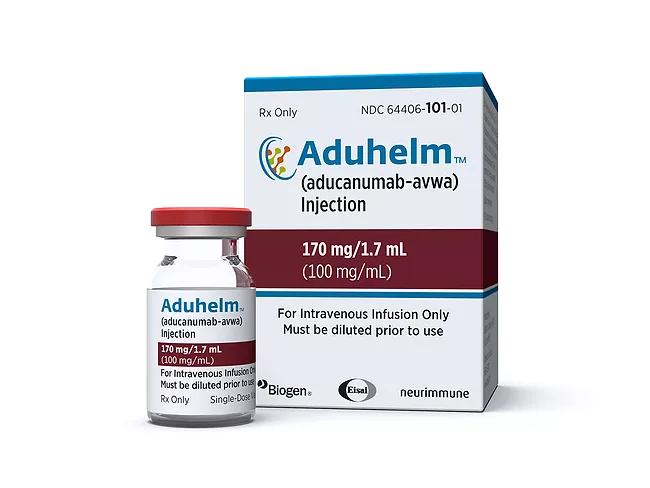
Biogen Inc.’s pricing of its newly approved Alzheimer’s drug, Aduhelm (aducanumab), has made it the latest bull’s eye for lawmakers and advocacy groups targeting U.S. drug prices, especially given the controversy surrounding the drug’s approval, which has resulted in the resignation of three of the 11 members of the FDA’s Peripheral and Central Nervous System Drugs Advisory Committee.
10x Genomics Inc. began distribution of its new Visium Spatial Gene Expression for FFPE (formalin-fixed and paraffin-embedded) assay in the U.S., giving researchers access to whole transcriptome spatial gene expression across entire FFPE tissue samples. The assay allows researchers to overcome the challenges in transcriptome analysis created by FFPE processing.
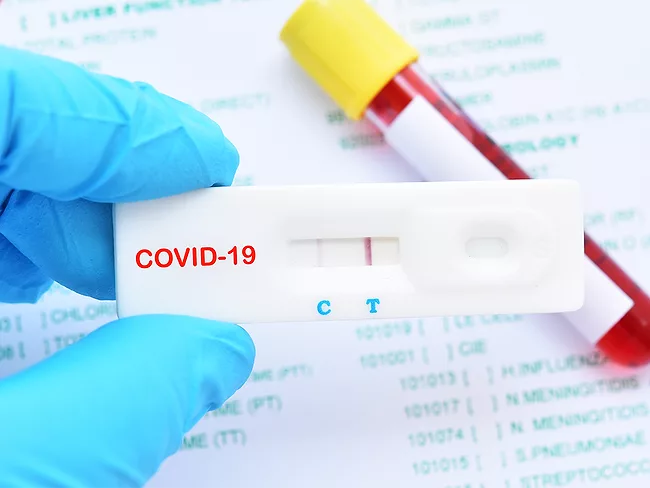
The FDA issued a June 10 warning letter to Innova Medical Group Inc. in connection with the company’s rapid antigen tests for the SARS-CoV-2 virus, an action that accompanies a class I recall and a safety communication.
 RSS
RSS