With a number of Medicare coverage policies in flux, the U.S. Senate has confirmed Chiquita Brooks-LaSure as the next CMS administrator, closing out one more critical remaining position for the Biden administration at the Department of Health and Human Services. Still unannounced is the administration’s nominee to lead the FDA, an omission that becomes more conspicuous with each passing day.
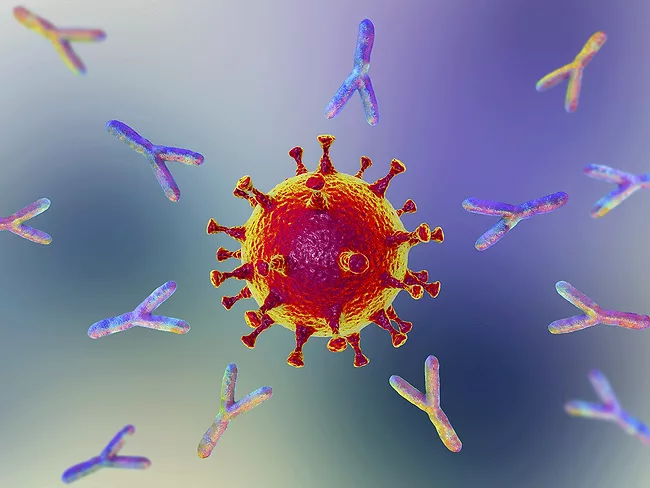
A new study by Laboratory Corp. of America Holdings (Labcorp) has found that nearly 9 in 10 COVID-19 patients continue to have antibodies to SARS-CoV-2 proteins 10 months after infection. Published in The Lancet-affiliated Eclinicalmedicine, the study provides real-world evidence of the persistence of SARS-CoV-2 antibodies in infected individuals, though the authors said more research is needed to determine if, and to what degree, protection against reinfection persists.
The May 25 appearance of Francis Collins, director of the U.S. National Institutes of Health, before a congressional committee revolved in large part around the Biden administration’s so-called ARPA-H proposal, but the administration’s proposal to waive intellectual property rights for vaccines was also on tap.
With the support of the NIH’s National Institute of Child Health and Human Development and the National Institute of Mental Health, researchers at Duke University’s Center for Autism and Brain Development have developed a mobile app that can quickly screen toddlers for autism spectrum disorder without the need for specialized skills.
The Institute for Clinical and Economic Review (ICER) will turn its magnifying glass on insurance companies as it evaluates how 15 of the largest U.S. payers cover 28 cost-effective prescription drugs.
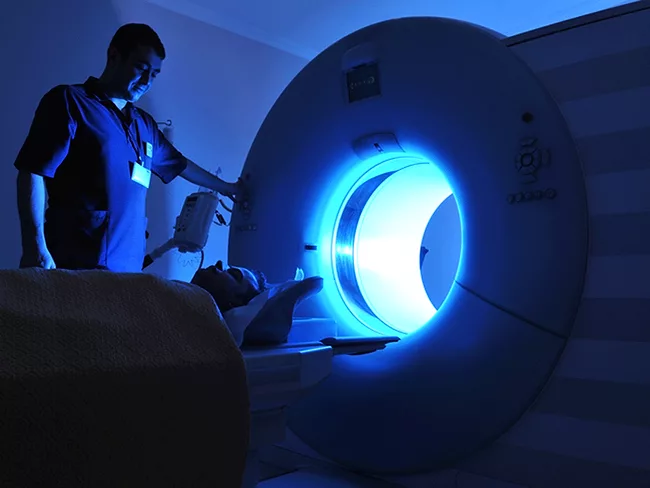
The impact of MRI procedures on medical devices has been the subject of regulatory concern for better than a decade, but the FDA needed until 2019 to craft a guidance that deals with testing and labeling for such considerations. The final guidance offers several tweaks and adjustments to the 2019 draft, but ignores several requests made by industry, including a request that the final not rely on a clinically relevant worst-case scenario when evaluating the potential for device heating.
In seeming opposition to U.S. Trade Representative Katherine Tai’s support of a proposed compulsory World Trade Organization intellectual property (IP) waiver on COVID-19-related medical products, U.S. Vice President Kamala Harris signed onto the G20’s May 21 Rome Declaration that commits the member countries to work to defeat the pandemic within the current flexibilities of the TRIPS agreement by promoting voluntary IP licensing agreements, technology and knowledge transfers, and patent pooling on mutually agreed terms.
With the intense focus on developing COVID-19 diagnostics, sequencing tools, vaccines and treatments, the pandemic is having an outsized impact on the global development of drugs and devices to treat other diseases. Recent data show that more than 1,000 clinical trials worldwide remain disrupted by COVID-19, including 60% of the non-COVID-19 trials being conducted in the U.S., as funding and other resources continue to be directed toward ending the pandemic.
The FDA’s November 2019 two-day hearing regarding the use of metals in medical devices generated at least one actionable recommendation, namely that manufacturers disclose all materials used in devices in product labels. The agency has reacted to that recommendation in the form of a discussion paper that proposes to require that product labels provide a deep level of detail regarding the materials found in the device, a notion that received the backing of industry during the November 2019 hearing.
Collectively, lysosomal storage disorders (LSDs) are caused by malfunctions in metabolic enzymes in the lysosome system. Depending on which enzyme is missing, toxic metabolites accumulate. While the LSDs are highly heterogenous – even within one disease, presentation can vary widely – neurodegeneration is a common feature in these disorders.
 RSS
RSS