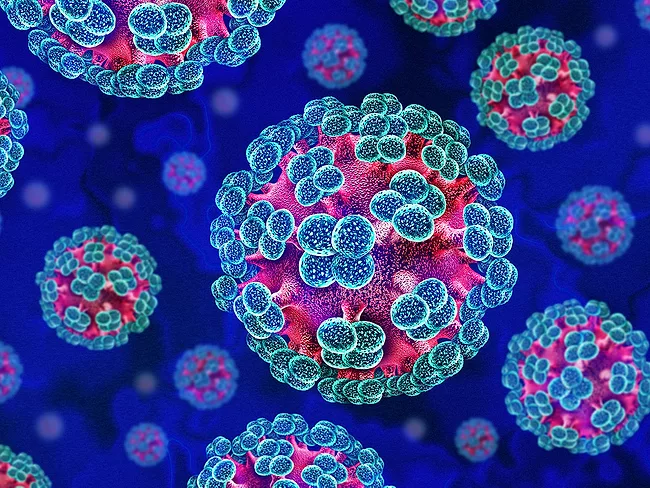
When it comes to vaccines and preparedness, platform delivery technologies can be both a boon and a barrier. On the one hand, an existing platform can speed development of a vaccine targeting an unexpected viral scare such as the recent Bundibugyo Ebola and Andes hantavirus outbreaks. On the other hand, the intellectual property (IP) protecting that platform adds to the economic hurdles facing smaller vaccine developers, Douglas Bucklin, a life sciences patent attorney with Volpe Koenig, told BioWorld.
The outbreak of hantavirus infection first reported on the MV Hondius cruise ship on May 2 is all but over, with most isolating passengers, crew members and other contacts leaving quarantine over the past week, as the 42-day incubation period drew to an end.
Antares Therapeutics Inc. drew Novartis AG to the table for a potential $1.9 billion collaboration, including a $105 million up-front payment, to discover small-molecule programs against oncology targets considered to be undruggable. It’s Antares’ first partnership since spinning out of Scorpion Therapeutics Inc. about a year ago.
Eli Lilly and Co. posted $19.8 billion in first-quarter 2026 revenue, driven by tirzepatide, marketed as Mounjaro for type 2 diabetes and Zepbound for obesity. The Indianapolis-based drugmaker is channeling cash flow from these blockbuster GLP-1 drugs into an aggressive dealmaking campaign — about $25.1 billion across 10 announced acquisitions so far this year and more than $26 billion in other closed deals.
Abbisko Therapeutics Co. Ltd. has entered a research collaboration and license agreement with Eli Lilly and Co. to discover and develop innovative medicines across multiple targets, with the aim of advancing novel drug candidates with global potential.
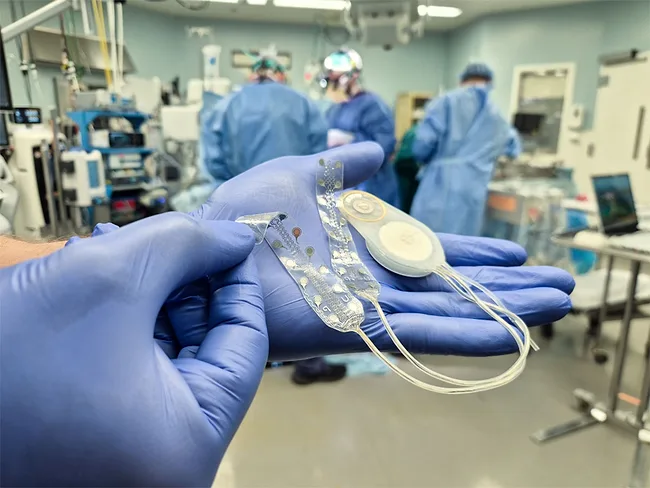
The field of BCI is continually evolving; as such, companies are increasingly highlighting the potential of their technologies to transform care. For advanced players, with fully developed BCI systems, the sector is approaching an inflection point as the technology transitions from early feasibility studies into pivotal trials. The focus now for many is on generating the long-term safety, efficacy and real-world usability data needed to support regulatory approval and broader clinical adoption.
J-Pharma Co. Ltd. is progressing the most clinically advanced L-type amino acid transport 1 (LAT1) inhibitor, nanvuranlat (JPH‑203), in a global phase III Beacon-BTC study of biliary tract cancer following U.S. FDA alignment.
With increasing competition from China and other countries, the U.S. Department of Health and Human Services is rolling out Operation Trailblazer, a department-wide strategy to once again make the U.S. the go-to destination for early stage drug development.
SK Biopharmaceuticals Co. Ltd. is doubling down on AI-powered drug discovery through a new collaboration with Insilico Medicine Inc. valued at more than $2.5 billion. The milestone-heavy deal, announced at the BIO International Convention in San Diego June 22, will pair Insilico’s Pharma.AI platform with SK Biopharm’s central nervous system (CNS) drug development and commercialization capabilities, underscoring Korean and global biopharma efforts to embed AI across the entire R&D lifecycle.
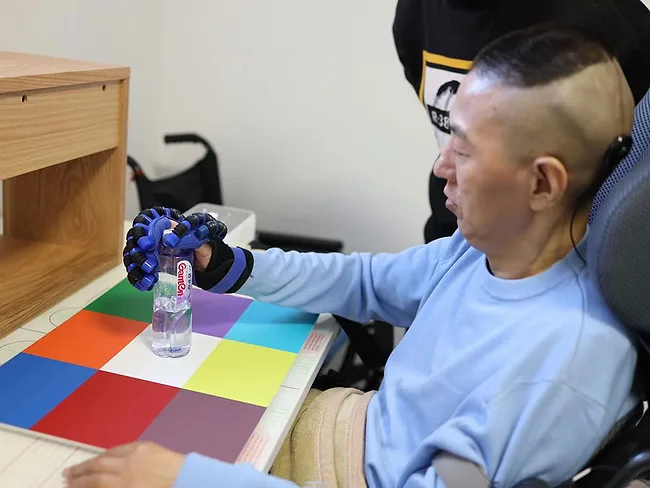
Decades of research are helping unravel the “black box” of the brain. The second article in BioWorld’s series on the Brain-Computer Interface (BCI) field looks at how simultaneous breakthroughs in AI technology are pushing the BCI field from a theoretical concept to a potential real-world, clinical option for individuals, particularly in China where the National Medical Products Administration greenlighted the world’s first invasive BCI system – Neuracle Medical Technology Co. Ltd.’s Neural Electronic Opportunity – for clinical use in March 2026.
 RSS
RSS