Tuesday brought what was arguably the most anticipated presentation of the 2026 Alzheimer’s Association International Conference when Catherine Mummery, head of novel therapeutics at University College London’s Dementia Research Center, presented data from the phase II Celia trial of tau-lowering antisense oligonucleotide diranersen (BIIB-080, Biogen Inc.). Based on both clinical and biomarker data, “Celia establishes a proof of concept,” Mummery said, that reducing tau may slow the progression of Alzheimer’s disease.
The U.S. FDA is proposing a rule to streamline its drug establishment registration regulations for distributed biopharma manufacturing facilities and to strengthen the country’s drug supply chain.
A federal jury was wrong when it determined that Astrazeneca plc should pay Wyeth, a Pfizer Inc. unit, $107.5 million in damages for infringing two cancer patents, the U.S. Court of Appeals for the Federal Circuit said in a recent precedential decision.
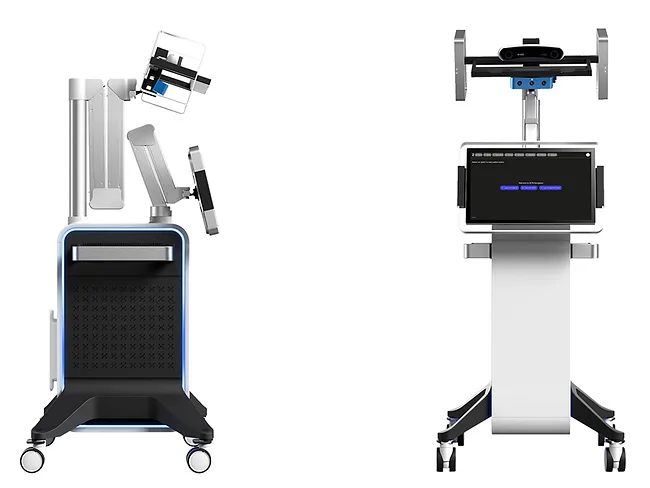
Zeta Surgical Inc. received U.S. FDA 510(k) clearance for its transcranial magnetic stimulation (TMS) robotic system which is designed to support precise and repeatable TMS therapy for patients with treatment-resistant depression.
The clinically proven promise of an alopecia drug, without the risks of black box-bearing JAK inhibitors yet with powerful efficacy, led shares of Q32 Bio Inc. (NASDAQ:QTTB) to close July 13 at $21.38, up $10.17, or 90.7%.
The U.S. SEC reached a settlement with Weiguo Zhai resolving insider trading charges related to Astrazeneca plc’s $1.1 billion acquisition of Icosavax Inc. in 2023.
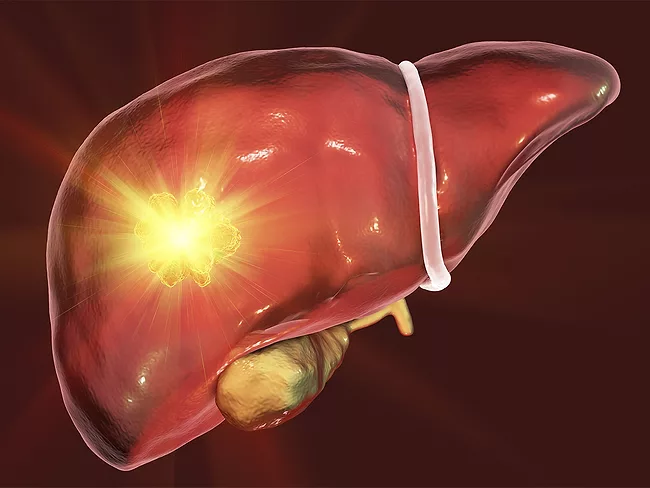
The U.S. FDA declined to approve, for a third time, an investigational liver cancer drug regimen comprising HLB Co. Ltd.’s rivoceranib and Jiangsu Hengrui Pharmaceutical Co. Ltd.’s camrelizumab, reportedly citing issues from a drug manufacturing facility inspection.
The synergy – or lack of it – between knockdown drugs and stabilizers in treating transthyretin (TTR)-mediated amyloid cardiomyopathy (ATTR-CM) became one of the topics for debate in the aftermath of the phase III fizzle with gene silencer Wainua (eplontersen), advanced by Astrazeneca plc and Ionis Pharmaceuticals Inc.
While biomedical resources in the form of specialized tools, hundreds of thousands of published papers and huge repositories of ‘omics, health records and other data, are growing exponentially, discovery is getting slower and more expensive. That is the perspective from which scientists at Stanford University approached the development of their artificial intelligence (AI) research assistant Biomni.
While biomedical resources in the form of specialized tools, hundreds of thousands of published papers and huge repositories of ‘omics, health records and other data, are growing exponentially, discovery is getting slower and more expensive. That is the perspective from which scientists at Stanford University approached the development of their artificial intelligence (AI) research assistant Biomni.
 RSS
RSS