As the U.S. House of Representatives resumes work Aug. 23 on a budget reconciliation proposal to get a $3.5 trillion fiscal 2022 budget across the finish line, many lawmakers are looking to provisions to reduce prescription drug prices as a way to pay for increased spending in other health care sectors.
Cadila Healthcare Ltd. (also known as Zydus Cadila) has received emergency use authorization (EUA) in India for Zycov-D, making it the world’s first plasmid DNA vaccine for COVID-19. Besides the adult population, the Drug Controller General of India’s nod has also given the South Asian country its first COVID-19 vaccine for adolescents ages 12 to 18.
Regulatory snapshots, including global drug submissions and approvals, clinical trial approvals and other regulatory decisions and designations: Astellas, Biontech, Covis, Fibrogen, Gilead, Hebabiz, Ortho, Pfizer, Regeneron.
The FDA has granted full approval to Pfizer Inc.’s COVID-19 vaccine in a move that is hoped will convince unvaccinated citizens that the shot is safe and effective. The mRNA vaccine, which will be branded as Comirnaty and was first developed by Germany’s Biontech SE, has been available since Dec. 11 last year under an emergency use authorization (EUA) and is the first to receive the FDA’s full endorsement.
Astrazeneca plc, en route to potentially delivering a new protection against COVID-19 for people inadequately protected by or unable to be vaccinated, has cleared a crucial hurdle with its long-acting combination therapy, AZD-7442, which met the goals of a phase III pre-exposure prophylaxis trial. The U.K.-based pharma’s readout arrived just as Regeneron Pharmaceuticals Inc. announced the MHRA’s conditional marketing authorization for its Roche Holding AG-partnered COVID-19 antibody therapy Ronapreve (casirivimab + imdevimab), also known as REGEN-COV.
The FDA’s pre-IND response to Virpax Pharmaceuticals Inc.’s MMS-019, a molecular masking spray being developed as an over-the-counter product to limit transmission of SARS and influenza, has the company breathing easier and ready to chase an NDA. Virpax is in a crowded field of 43 COVID-19 intranasal therapeutics and vaccine programs.
An update from China’s NMPA clarifying registration requirements and classification methods for drug-device combination products has been welcomed by industry as the regulator seeks to keep pace with fast-moving developments in the sector.
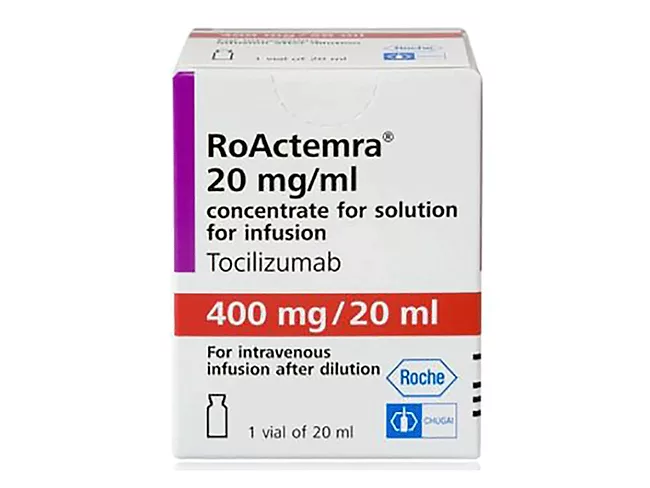
PERTH, Australia – As the Delta variant of SARS-CoV-2 sweeps across the globe, drugs like Roche Holding AG’s interleukin-6 receptor inhibitor Actemra (tocilizumab) are being used, often off-label, to treat serious cases of COVID-19. That usage, however, is resulting in serious drug shortages that may leave some without treatment options.
The Biden administration’s rollout of a COVID-19 booster plan before the FDA has even approved a booster admittedly is a “judgment call,” U.S. health officials acknowledged Aug. 18. But rather than a judgment call, “the introduction of booster doses should be evidence-driven and targeted to the population groups in greatest need,” the World Health Organization advised in an interim statement issued a week before the White House COVID-19 Response Team’s announcement.
Regulatory snapshots, including global drug submissions and approvals, clinical trial approvals and other regulatory decisions and designations: BMS, Boehringer Ingelheim, Eli Lilly, Index, Kite, Paratek, Senhwa.
 RSS
RSS