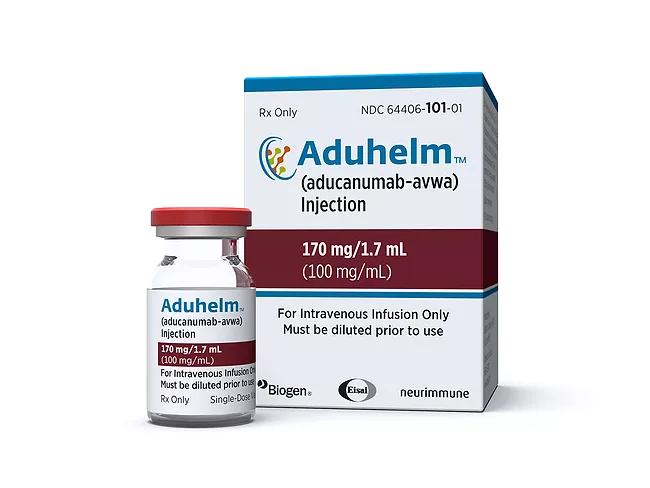
By granting accelerated approval for Biogen Inc.’s Aduhelm (aducanumab) for Alzheimer’s disease (AD), the FDA is “essentially confirming that the beta-amyloid hypothesis has been validated,” Mizuho analyst Salim Syed said in an alert to investors. Shares of Cambridge, Mass.-based Biogen (NASDAQ:BIIB) closed $395.85, up $109.71, or 38.3%, as Wall Street hailed the first new AD therapy to reach the market since 2003.
Regulatory snapshots, including global drug submissions and approvals, clinical trial approvals and other regulatory decisions and designations: Alexion.
A day before its June 5 PDUFA date and three months after its original PDUFA, Ryplazim (plasminogen, human-tvmh), from Liminal Biosciences Inc., won FDA approval for treating plasminogen deficiency type 1 hypoplasminogenemia, becoming the first approved therapy for the rare genetic disorder.
Following years of testing against a lengthy roster of viral foes, Chimerix Inc.'s Tembexa (brincidofovir) has finally won FDA approval as a medical countermeasure against smallpox.
Regulatory snapshots, including global drug submissions and approvals, clinical trial approvals and other regulatory decisions and designations: Ortho Regenerative Technologies, Pharmaessentia USA, Pharming Group, Regeneron, Visen.
Preparing for the full implementation of the 2013 Drug Supply Chain Security Act (DSCSA), the FDA finalized two guidances June 3 and released two draft guidances to help supply chain partners comply with the law’s requirements, including those for enhanced drug distribution security at the package level that go into effect in November 2023.
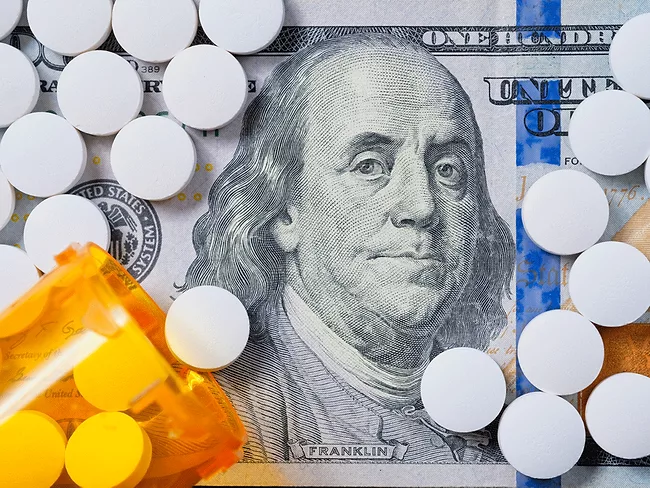
The U.S. Federal Trade Commission (FTC) is turning the biopharma industry’s claim about rebates on its ear, saying some rebates paid to pharmacy benefit managers and third-party payers are an anticompetitive tool drug companies use to maintain their U.S. market power.
Two weeks ago, it was a grilling by the House Oversight Committee over the pricing of blockbuster drugs Humira and Imbruvica and a request for the FTC to launch an investigation into Abbvie Inc.’s patent settlements that delayed Humira biosimilar competition in the U.S. until 2023. This week, Abbvie became the face of a new investigation by the Senate Finance Committee over how multinational companies are shifting profits overseas as a way to avoid U.S. taxes.
Regulatory snapshots, including global drug submissions and approvals, clinical trial approvals and other regulatory decisions and designations: Bausch, Can-Fite, Celltrion, Clearside, Dermavant, Eli Lilly, Iaso, Innovent, Micurx, Protagonist, Roivant.
Novartis AG is closing in on a label expansion for its blockbuster inflammatory disease drug, Cosentyx (secukinumab), after announcing supportive phase III results in children with two subtypes of juvenile idiopathic arthritis (JIA).
 RSS
RSS