The U.S. FDA has cleared the way for Physiq Inc., of Naperville, Ill., to market its continuous ambulatory respiratory rate algorithm, adding to the company's portfolio of cloud-based analytics for biopharma and health insurance companies. The 510(k) notification will allow Physiq to boost its higher-level artificial intelligence (AI) platform with validated vital signs inputs.
LONDON – France's Agence Nationale de Sécurité du Médicament et des Produits de Santé (ANSM) has published draft guidelines on the cybersecurity of medical devices, becoming the first national regulator in Europe to specify what manufacturers should do to protect devices against malicious attacks.
Deciphera Pharmaceuticals Inc. CEO Steven Hoerter told BioWorld Asia the FDA approval of Turalio (pexidartinib) from Daiichi Sankyo Co. Ltd. last week "leaves a lot of headroom for efficacy," given the response rate of about 40%. "One of the most significant concerns that the FDA had was hepatotoxicity, which is an off-target effect," he added, so the approval came with "some fairly onerous monitoring requirements."
Tokyo-based Daiichi Sankyo Co. Ltd.'s Turalio (pexidartinib) won FDA clearance for adults with symptomatic tenosynovial giant cell tumor (TGCT) associated with severe morbidity or functional limitations and not responsive to improvement with surgery.
PERTH, Australia – The Therapeutic Goods Administration (TGA) has unveiled final guidance that details how the Australian regulator considers cybersecurity risks over the life of a medical device, including whose responsibility it is to assess and communicate risk, as well as the expectations for manufacturers under the Essential Principles. Industry had voiced concerns in reaction to the draft version of the guidance – released last December – that related to proposed changes to the Essential Principles and the use of standards. The TGA had proposed two separate guidances – one for device and in vitro diagnostic manufacturers and those that develop software for medical devices and another guidance for users.
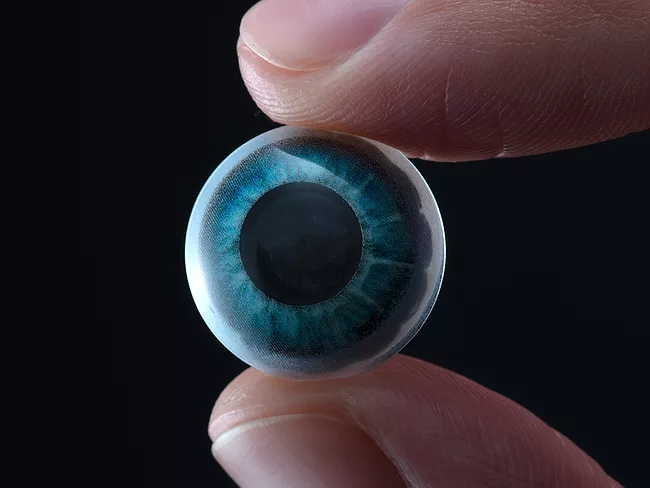
Two pieces of legislation of interest to the med-tech industry are making the rounds in Washington. One would require that online sales of contact lenses be accompanied only by a prescription, and the other would bolster telehealth services for methamphetamine addiction in rural areas, where the narcotic's epidemic has taken much of its toll. The bills arrive as other developments suggest an improved environment for contact lenses and telemedicine, auguring a better market for both in the months and years ahead.
Teva Pharmaceutical Industries Ltd. agreed to pay the state of California $69 million in what California Attorney General Xavier Becerra Monday called the largest pay-for-delay settlement received by any state.