A member of the CDC’s Advisory Committee on Immunization Practices (ACIP), physician and biochemist Robert Malone, who a judge earlier this week suggested lacked vaccine-related experience, wrote March 19 on X that the committee “has been disbanded.” Nearly six hours later, he followed up, saying it was a “miscommunication.”
Drug approvals by the U.S. FDA totaled 26 in the first two months of 2026, with eight approvals in January and 18 in February. Compared with 2025, when approvals reached 12 in January and 16 in February (28 total), early 2026 activity is consistent with historical ranges.
NIH Director Jay Bhattacharya is being fact-checked on his off-the cuff responses at a Senate Health, Education, Labor and Pensions Committee hearing in February. The fact-checkers are nine Democratic lawmakers from Massachusetts, only one of whom (Sen. Ed Markey) is on the committee and attended the hearing. In fact, seven of those signing the March 17 letter that questioned Bhattacharya’s veracity aren’t senators. They serve in the House.
Australia is attempting a once-in-a-generation reset of its innovation system, and biotech industry leaders have lauded the federal government’s independent review into Australia's slipping R&D ranks and its proposals to reverse the decline.
In what the U.S. FDA has dubbed a milestone move toward fewer animal studies in drug development, the agency published a draft guidance to help sponsors validate new approach methodologies that can bring safe, effective drugs to market sooner based on human-centric data rather than starting off with nonclinical animal pharmacology and toxicology data.
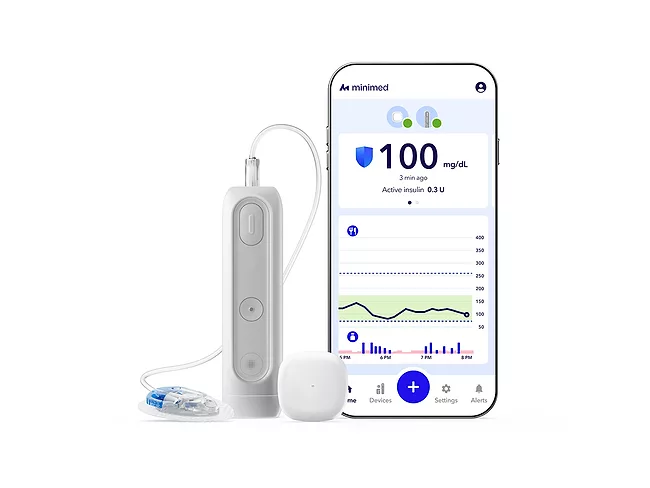
Minimed Group Inc. secured U.S. FDA approval for Minimed Flex, its next-generation discreet, smartphone-controlled insulin pump. The nod from the FDA follows the company’s debut on Nasdaq March 6. About half the size of the Minimed 780G pump and roughly the size of two stacked insulin vials, the screenless pump was designed in collaboration with people living with diabetes to offer a more intuitive, lifestyle‑friendly way to manage the condition.
With the U.S. FDA’s approval of GSK plc’s ileal bile acid transporter (IBAT) inhibitor, Lynavoy (linerixibat), patients with primary biliary cholangitis no longer need off-label treatments for a debilitating internal itch symptom called cholestatic pruritus.
In what the U.S. FDA has dubbed a milestone move toward fewer animal studies in drug development, the agency published a draft guidance to help sponsors validate new approach methodologies that can bring safe, effective drugs to market sooner based on human-centric data rather than starting off with nonclinical animal pharmacology and toxicology data.
Ovid Therapeutics Inc. has announced plans to initiate a phase I study of OV-4071, an oral, direct activator of potassium-chloride cotransporter 2 (KCC2), having received Australian Human Research Ethics Committee (HREC) approval and clinical trial notification (CTN) acknowledgement from Australia’s TGA.
Even though case law has established that 340B-covered providers can’t sue drug companies for overcharging on the steeply discounted drugs, the Adventist Health System of West tried a new door into court – as a whistleblower under the False Claims Act.

 RSS
RSS