Of all the issues that could be on the table at the talks between U.S. President Donald Trump and China President Xi Jinping, the life sciences sector is the “sweet spot” for collaboration between the two countries in a way that would benefit the world, Sen. Thom Tillis, R-N.C., said in a Brookings Institution webinar in advance of the two-day summit that starts May 14.
It’s a sure bet when the U.S. Trade Representative releases its annual Special 301 Report that Chile, China, India, Indonesia, Russia and Venezuela will be on the Priority Watch List. The 2026 report was no exception.
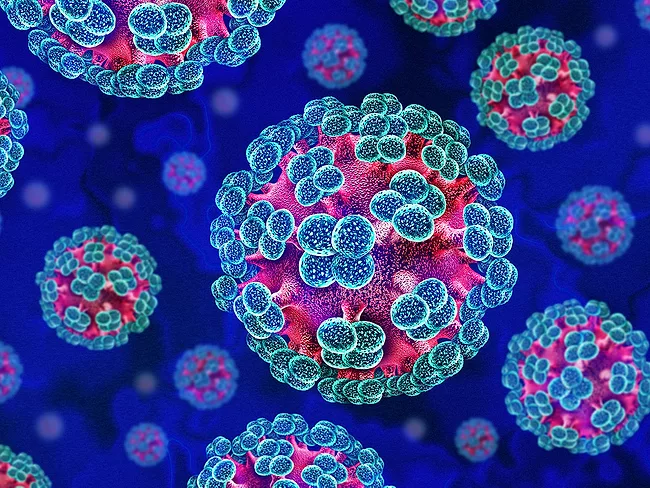
Singapore’s Communicable Diseases Agency on May 7 said that it isolated two residents for hantavirus testing after the individuals disembarked from an Atlantic cruise ship on May 2 and May 6, respectively. The measure comes in response to the cluster of cases from the cruise ship, MV Hondius, that has resulted in three deaths so far.
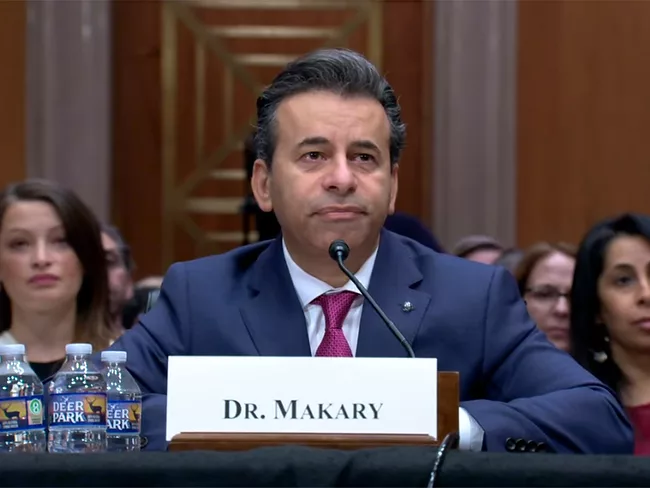
U.S. President Donald Trump ended days of rumors and speculation when he confirmed May 12 that Marty Makary is resigning as FDA commissioner. Speaking with reporters before heading off to China for a two-day summit, Trump wouldn’t comment on whether he or someone else asked Makary to step down. However, while calling Makary a “wonderful man” and a “great guy, who’s a friend of mine,” the president acknowledged that “he was having some difficulty” at the FDA.
Companies seeking a break in the soon-to-be-implemented U.S. Section 232 biopharma tariffs have 30 days to apply for a company-specific onshoring agreement with the Department of Commerce, according to the procedures the department laid out in a notice to be published in the May 13 Federal Register.
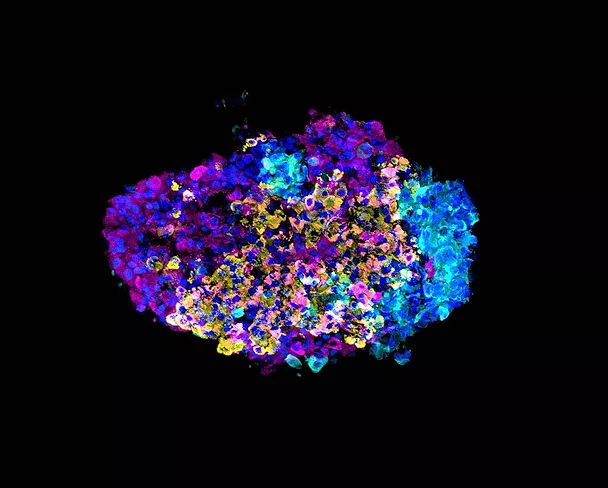
Fractyl Health Inc. has received clinical trial application authorization in the Netherlands to initiate a first-in-human phase I/II study of RJVA-001, the first clinical candidate from the company’s Rejuva Smart GLP-1 gene therapy platform.
Seven years, almost to the day, after releasing a draft guidance on post-approval pregnancy safety studies, the U.S. FDA is now finalizing it – albeit with a few changes.
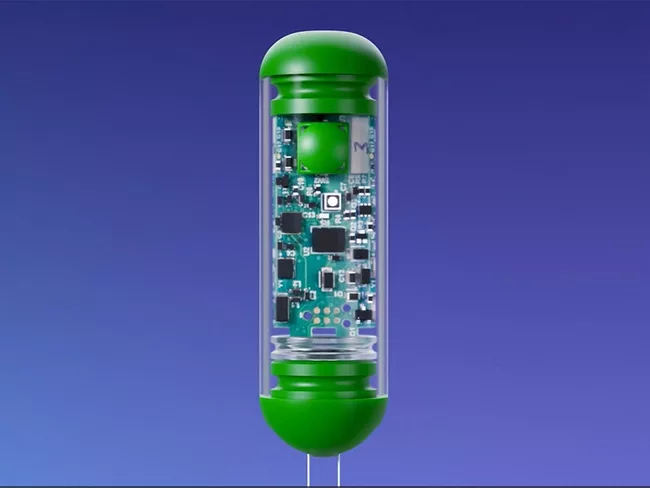
Bright Uro Inc. secured U.S. FDA 510(k) clearance for the Glean abdominal sensor, which expands the capabilities of its Glean urodynamics system to enable multichannel urodynamic studies. The new sensor will allow clinicians to perform multichannel urodynamics, capturing both abdominal and detrusor pressures without the need for catheters, supporting treatment decision-making for patients with lower urinary tract dysfunction and other urological conditions.
Singapore’s Communicable Diseases Agency on May 7 said that it isolated two residents for hantavirus testing after the individuals disembarked from an Atlantic cruise ship on May 2 and May 6, respectively. The measure comes in response to the cluster of cases from the cruise ship, MV Hondius, that has resulted in three deaths so far.
 RSS
RSS